
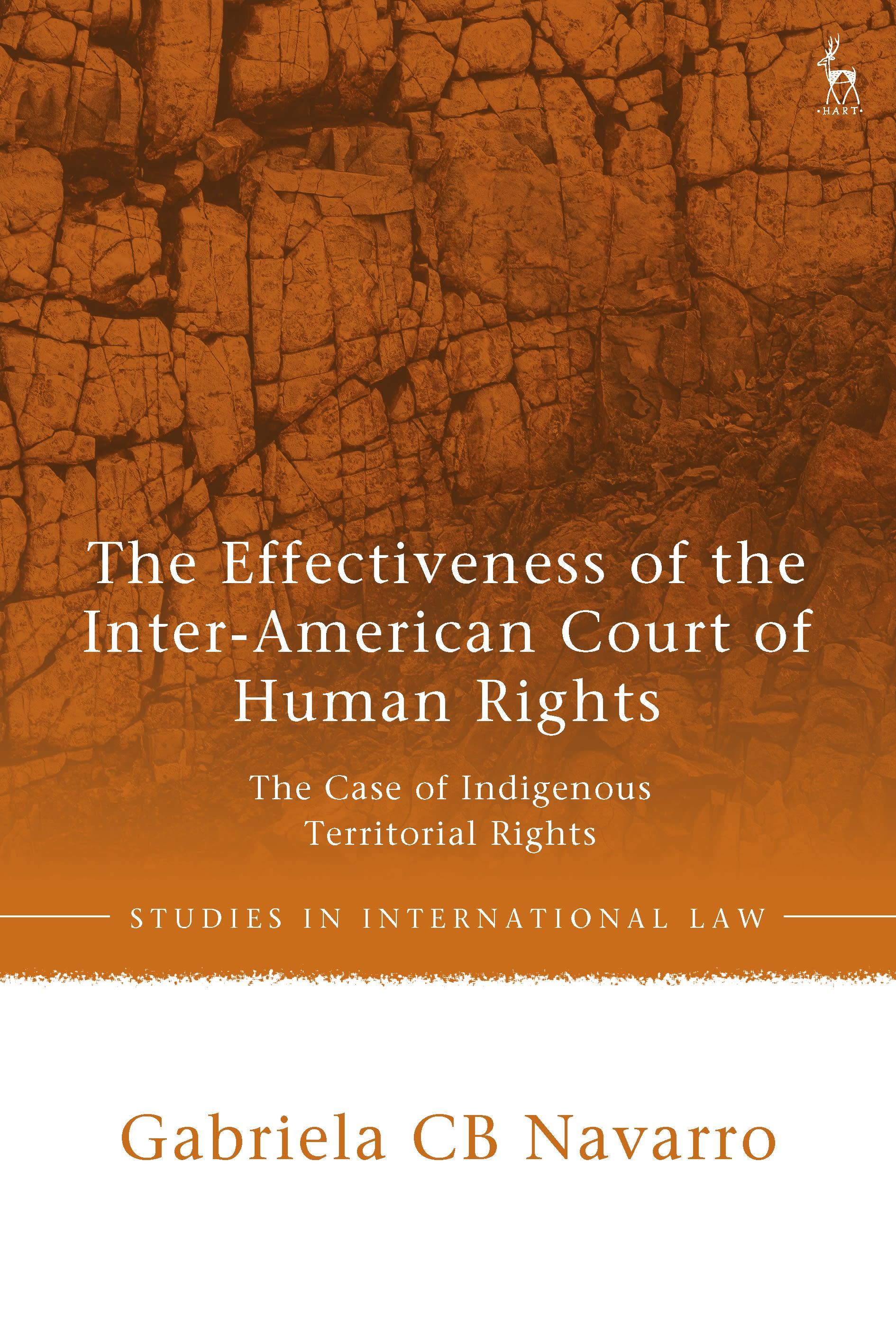
The Inter-American Court of Human Rights has the most developed jurisprudence on indigenous rights, yet this case law is understudied. This book addresses this gap by exploring the Court and its cases from both the perspective of international law and the legal protection of indigenous territories.
Setting out the network of actors and institutions involved in such litigation, it examines the motivations and constraints in domestic politics affecting international orders (and by extension the impact of the Court). It provides both an important statement on the effectiveness of international tribunals and a fascinating insight into the evolution of indigenous rights.
Setting out the network of actors and institutions involved in such litigation, it examines the motivations and constraints in domestic politics affecting international orders (and by extension the impact of the Court). It provides both an important statement on the effectiveness of international tribunals and a fascinating insight into the evolution of indigenous rights.
Pay easily by card, Klarna, Apple Pay or Google Pay. Not happy? You always have a 14-day money-back guarantee. Read more in our terms. If you have any questions, email us at hello@memmo.org.
Memmo makes studying easier – wherever you are in the world. We bring your course books and smart study tools together in one place: summaries, quizzes, podcasts and flashcards. Plus Ted, your study buddy who answers anything you wonder. Over 50,000 students already study here – built to help you learn faster and stress less.