
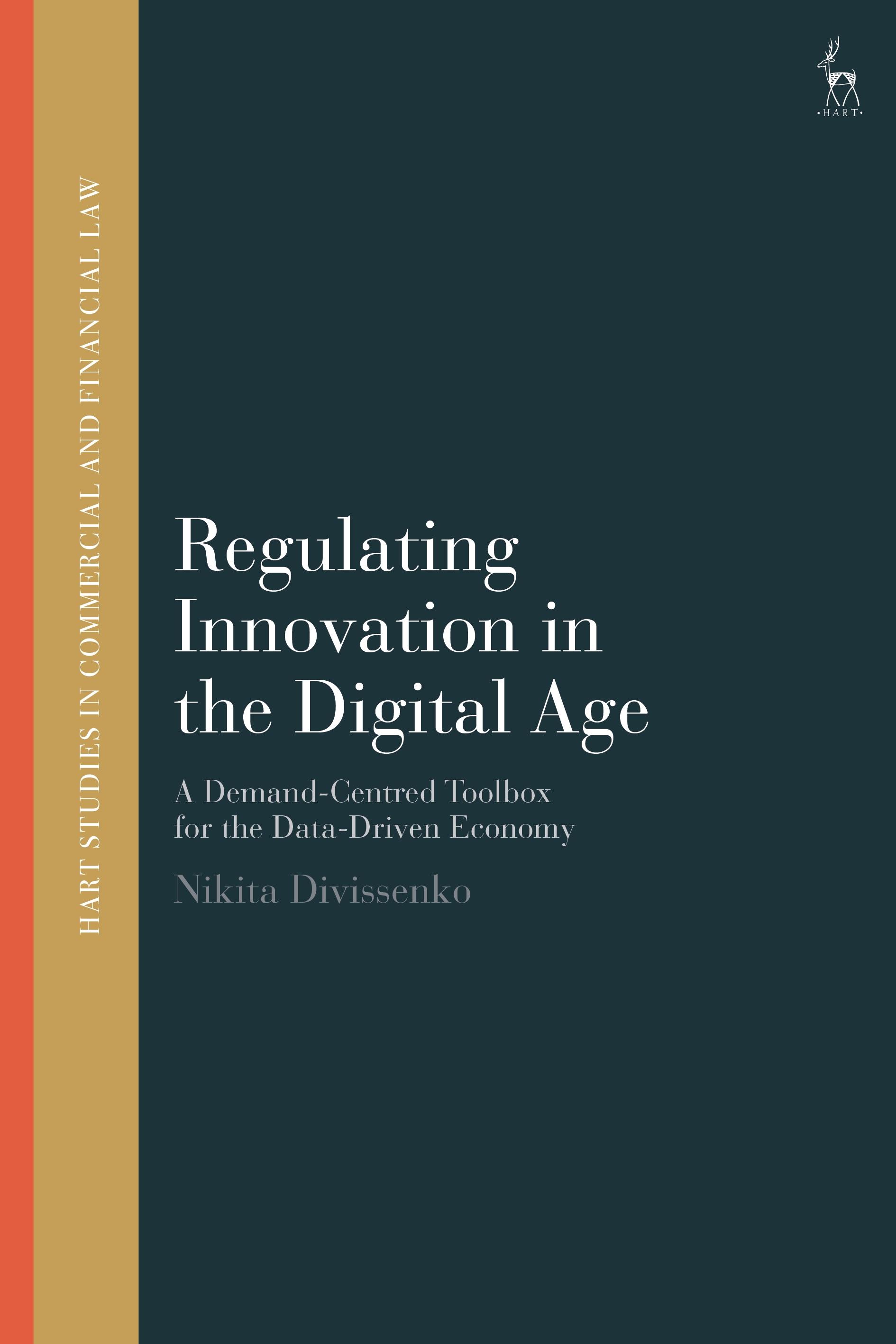
This book examines the role, impact, and limitations of regulation as a tool for shaping innovative markets.
It contends that the current supply-centred approach is suboptimal in the context of digital innovation and proposes a blueprint for a more demand-conscious approach to regulation. The focus on the demand-side is prompted by the evolving role of consumers within the innovation process in the digital and data-driven economy, the regulatory implications of which are underexplored in legal scholarship.
The book features in-depth case studies of the most recent regulatory initiatives in the EU, including Open Banking, the Digital Markets Act (DMA), and the AI Act. It dismantles innovative regulatory instruments, and critically examines their underlying assumptions from an innovation perspective. The new demand-based approach informs the design and use of supply-side market-centred tools, behaviourally-informed demand-side instruments, and technological regulation, by introducing a coherent set of demand-centred considerations.
The book offers a regulatory toolbox recalibrated for the digital age and serves as a practical guide for academics, policymakers, regulators, and legal practitioners seeking to understand and engage with the regulation of innovative markets.
It contends that the current supply-centred approach is suboptimal in the context of digital innovation and proposes a blueprint for a more demand-conscious approach to regulation. The focus on the demand-side is prompted by the evolving role of consumers within the innovation process in the digital and data-driven economy, the regulatory implications of which are underexplored in legal scholarship.
The book features in-depth case studies of the most recent regulatory initiatives in the EU, including Open Banking, the Digital Markets Act (DMA), and the AI Act. It dismantles innovative regulatory instruments, and critically examines their underlying assumptions from an innovation perspective. The new demand-based approach informs the design and use of supply-side market-centred tools, behaviourally-informed demand-side instruments, and technological regulation, by introducing a coherent set of demand-centred considerations.
The book offers a regulatory toolbox recalibrated for the digital age and serves as a practical guide for academics, policymakers, regulators, and legal practitioners seeking to understand and engage with the regulation of innovative markets.
Pay easily by card, Klarna, Apple Pay or Google Pay. Not happy? You always have a 14-day money-back guarantee. Read more in our terms. If you have any questions, email us at hello@memmo.org.
Memmo makes studying easier – wherever you are in the world. We bring your course books and smart study tools together in one place: summaries, quizzes, podcasts and flashcards. Plus Ted, your study buddy who answers anything you wonder. Over 50,000 students already study here – built to help you learn faster and stress less.