
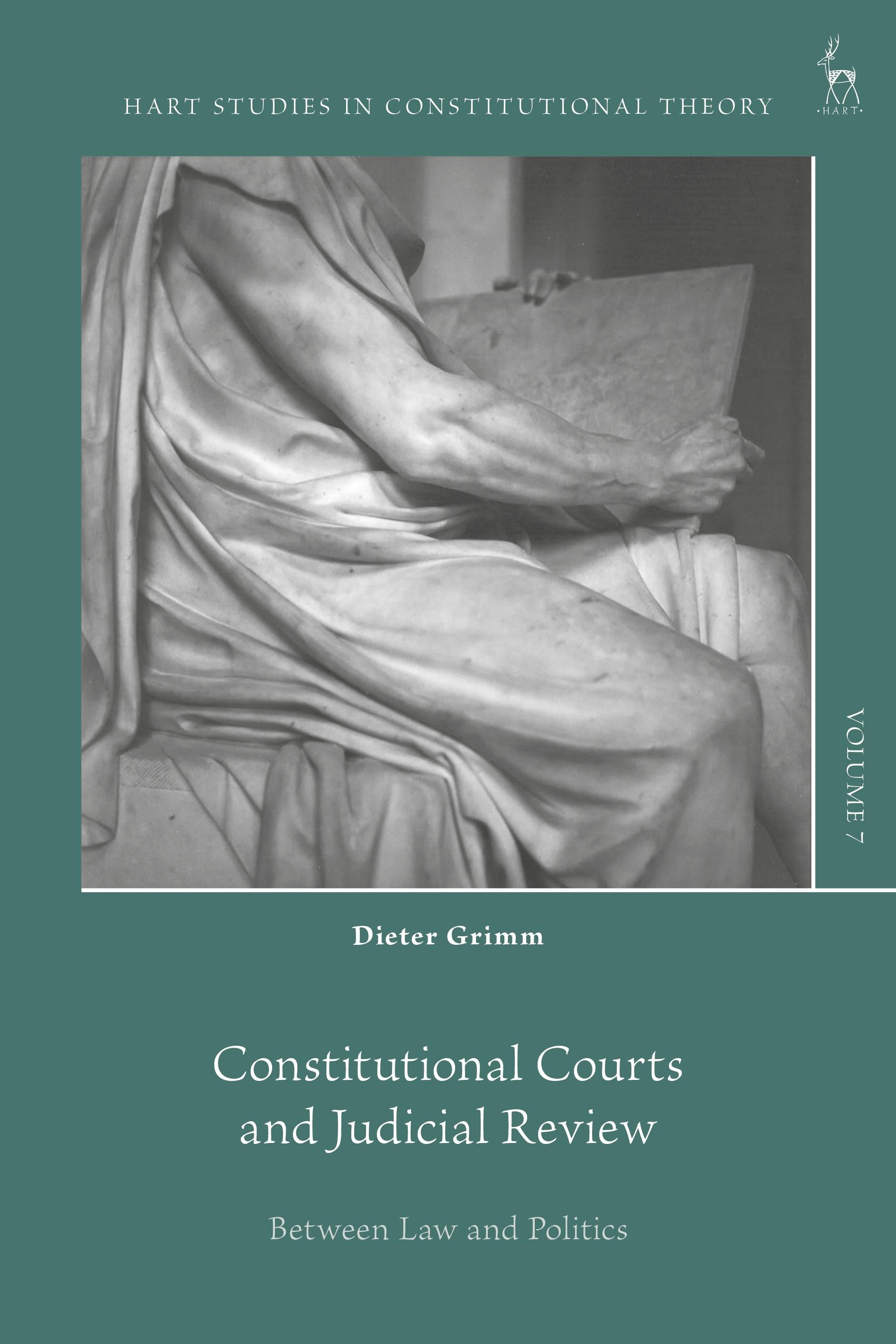
This collection of essays from Dieter Grimm, Germany's most renowned constitutional scholar, shines a light on the jurisprudence of the German Constitutional Court and constitutional adjudication in general.
Established in 1951, the court has become a blueprint for new courts ever since and its jurisprudence, particularly in the field of fundamental rights, has influenced the decisions of judges throughout the world.
After the seismic constitutional changes of the years 1989–90 in Germany and beyond, many countries adopted new democratic constitutions and established constitutional courts in order to make their constitutions effective. Today, many of these courts are under attack both politically and intellectually.
In this book, Grimm considers some of the fundamental questions under academic scrutiny today: are constitutional courts political or legal institutions? Is judicial review a political or a legal activity? Is it a threat to, or a condition, of democracy? Should these courts be abolished or strengthened? Is a rational interpretation of constitutional law possible?
The essays provide answers to these questions and describe how constitutional courts work if they properly fulfill their function of enforcing the constitution. A special emphasis is put on the importance of constitutional interpretation: something, the author argues, that most critics of constitutional adjudication neglect.
Established in 1951, the court has become a blueprint for new courts ever since and its jurisprudence, particularly in the field of fundamental rights, has influenced the decisions of judges throughout the world.
After the seismic constitutional changes of the years 1989–90 in Germany and beyond, many countries adopted new democratic constitutions and established constitutional courts in order to make their constitutions effective. Today, many of these courts are under attack both politically and intellectually.
In this book, Grimm considers some of the fundamental questions under academic scrutiny today: are constitutional courts political or legal institutions? Is judicial review a political or a legal activity? Is it a threat to, or a condition, of democracy? Should these courts be abolished or strengthened? Is a rational interpretation of constitutional law possible?
The essays provide answers to these questions and describe how constitutional courts work if they properly fulfill their function of enforcing the constitution. A special emphasis is put on the importance of constitutional interpretation: something, the author argues, that most critics of constitutional adjudication neglect.
Pay easily by card, Klarna, Apple Pay or Google Pay. Not happy? You always have a 14-day money-back guarantee. Read more in our terms. If you have any questions, email us at hello@memmo.org.
Memmo makes studying easier – wherever you are in the world. We bring your course books and smart study tools together in one place: summaries, quizzes, podcasts and flashcards. Plus Ted, your study buddy who answers anything you wonder. Over 50,000 students already study here – built to help you learn faster and stress less.