
WINNER of Book of the Year Prize by the International Forum on the Future of Constitutionalism.
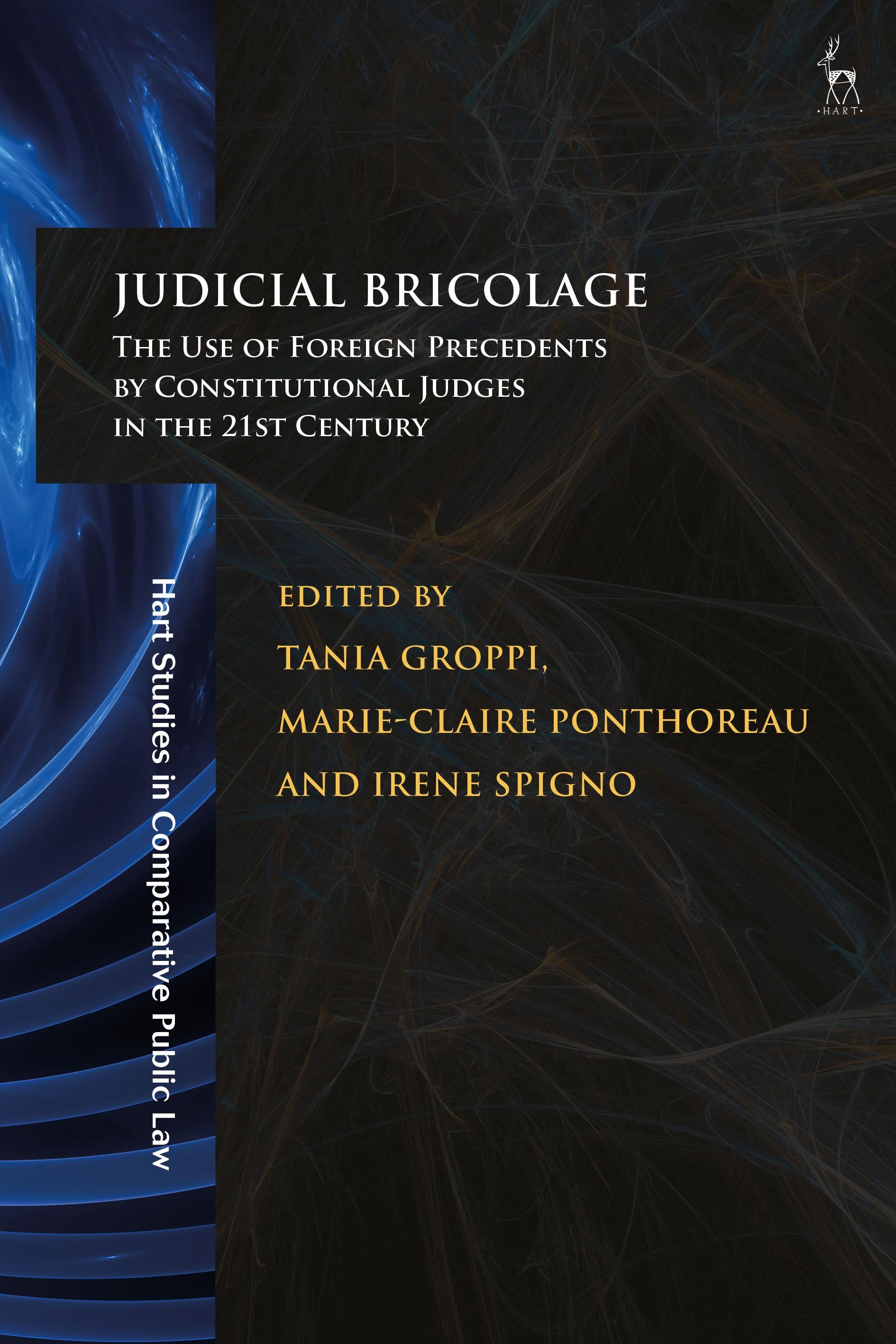
This book represents a unique contribution to comparative legal studies by presenting the results of an empirical research project on the use of foreign precedents in constitutional interpretation in 31 jurisdictions worldwide.
It expands and updates the outcomes presented in the previous successful book The Use of Foreign Precedents by Constitutional Judges, edited by Tania Groppi and Marie-Claire Ponthoreau and published in 2013 as Volume 1 of the series Hart Studies in Comparative Public Law.
This new research, covering countries from all the continents, with special attention to some of the emerging jurisdictions of the Global South, confirms that the practice of making explicit use of foreign precedents is still limited both quantitatively and qualitatively. Judicial dialogue only exists in common law jurisdictions and, even there, 'judicial bricolage' is much more common than 'judicial comparativism'. Since the previous edition, this practice has gone hand in hand with new developments in constitutional law, such as the democratic erosion and backsliding, the emergence of populist movements, the increasing role of regional human rights courts, which in many cases overshadowed foreign sources, and the end of a global vision of constitutionalism.
Applying a quantitative and a qualitative analysis, with the support of tables and data, the book gives a more complete picture of the practice of citing foreign precedents in this new and challenging era, resulting in essential reading for comparative and constitutional legal scholars.
This book represents a unique contribution to comparative legal studies by presenting the results of an empirical research project on the use of foreign precedents in constitutional interpretation in 31 jurisdictions worldwide.
It expands and updates the outcomes presented in the previous successful book The Use of Foreign Precedents by Constitutional Judges, edited by Tania Groppi and Marie-Claire Ponthoreau and published in 2013 as Volume 1 of the series Hart Studies in Comparative Public Law.
This new research, covering countries from all the continents, with special attention to some of the emerging jurisdictions of the Global South, confirms that the practice of making explicit use of foreign precedents is still limited both quantitatively and qualitatively. Judicial dialogue only exists in common law jurisdictions and, even there, 'judicial bricolage' is much more common than 'judicial comparativism'. Since the previous edition, this practice has gone hand in hand with new developments in constitutional law, such as the democratic erosion and backsliding, the emergence of populist movements, the increasing role of regional human rights courts, which in many cases overshadowed foreign sources, and the end of a global vision of constitutionalism.
Applying a quantitative and a qualitative analysis, with the support of tables and data, the book gives a more complete picture of the practice of citing foreign precedents in this new and challenging era, resulting in essential reading for comparative and constitutional legal scholars.
Pay easily by card, Klarna, Apple Pay or Google Pay. Not happy? You always have a 14-day money-back guarantee. Read more in our terms. If you have any questions, email us at hello@memmo.org.
Memmo makes studying easier – wherever you are in the world. We bring your course books and smart study tools together in one place: summaries, quizzes, podcasts and flashcards. Plus Ted, your study buddy who answers anything you wonder. Over 50,000 students already study here – built to help you learn faster and stress less.