
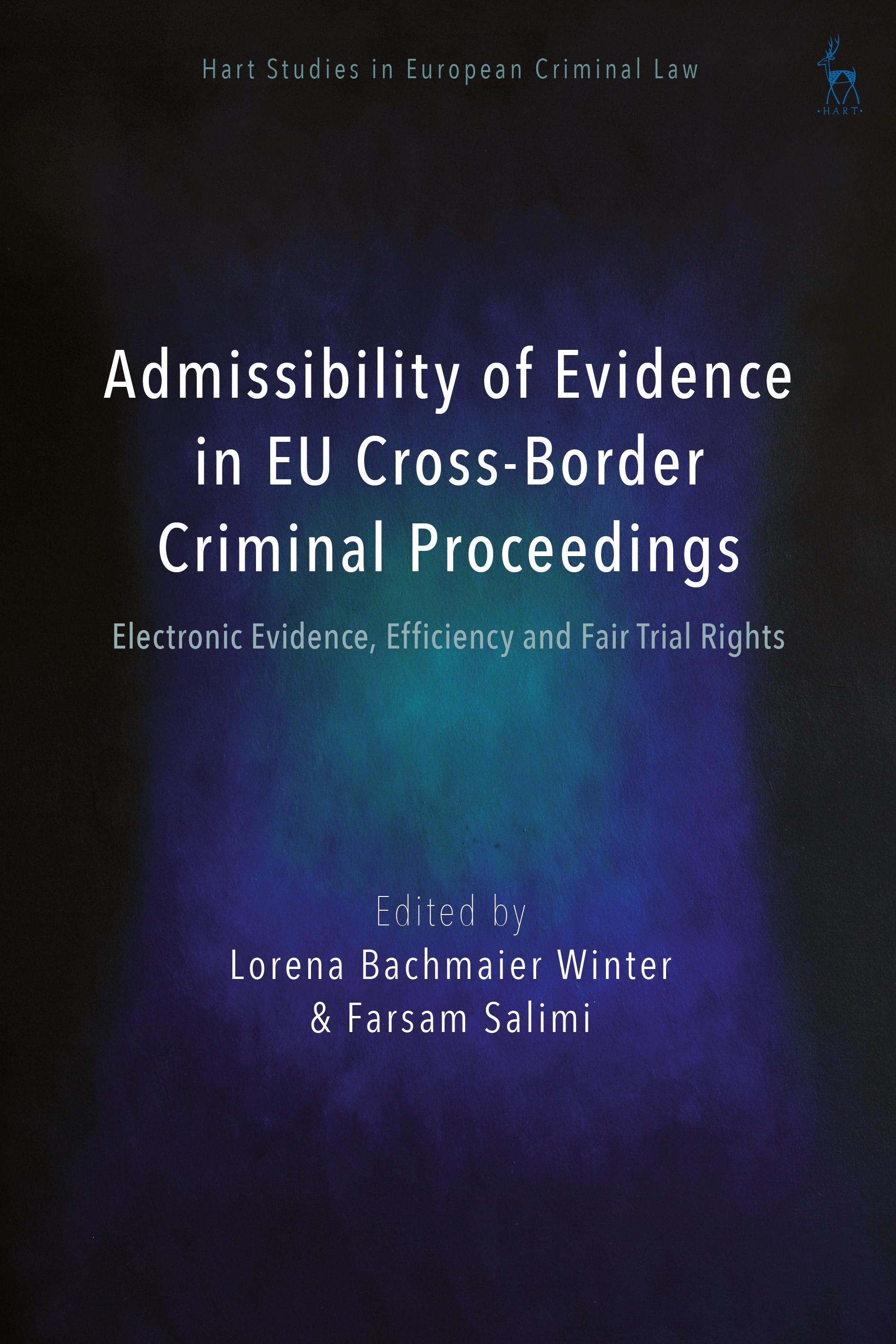
This book provides a systematic and analytical account of the problems facing transnational criminal justice.
It details actual problems arising in the transnational prosecution of crimes; assesses existing obstacles on admissibility of evidence; in particular with regard to electronic evidence, assesses the impact that the impediment of free circulation of evidence has on fundamental rights of the defendants facing criminal trial; and finally drafts a proposal for the future of regulation for this complex topic.
The book therefore contributes to the debate on the creation of an Area of Freedom, Security and Justice in the EU. It offers insights on how to outline the main general rules that could be adopted at EU level in a manner that adequately balances the need for efficiency in prosecution and the protection of human rights.
With contributions of renowned experts in the field, the book addresses the discussion of a potential legislative proposal with the help of insight into the experience and conceptual context of the rules of evidence at the national level. The legislative proposal was adopted by the European Law Institute, who supported the work reflected in this book.
It details actual problems arising in the transnational prosecution of crimes; assesses existing obstacles on admissibility of evidence; in particular with regard to electronic evidence, assesses the impact that the impediment of free circulation of evidence has on fundamental rights of the defendants facing criminal trial; and finally drafts a proposal for the future of regulation for this complex topic.
The book therefore contributes to the debate on the creation of an Area of Freedom, Security and Justice in the EU. It offers insights on how to outline the main general rules that could be adopted at EU level in a manner that adequately balances the need for efficiency in prosecution and the protection of human rights.
With contributions of renowned experts in the field, the book addresses the discussion of a potential legislative proposal with the help of insight into the experience and conceptual context of the rules of evidence at the national level. The legislative proposal was adopted by the European Law Institute, who supported the work reflected in this book.
Pay easily by card, Klarna, Apple Pay or Google Pay. Not happy? You always have a 14-day money-back guarantee. Read more in our terms. If you have any questions, email us at hello@memmo.org.
Memmo makes studying easier – wherever you are in the world. We bring your course books and smart study tools together in one place: summaries, quizzes, podcasts and flashcards. Plus Ted, your study buddy who answers anything you wonder. Over 50,000 students already study here – built to help you learn faster and stress less.