
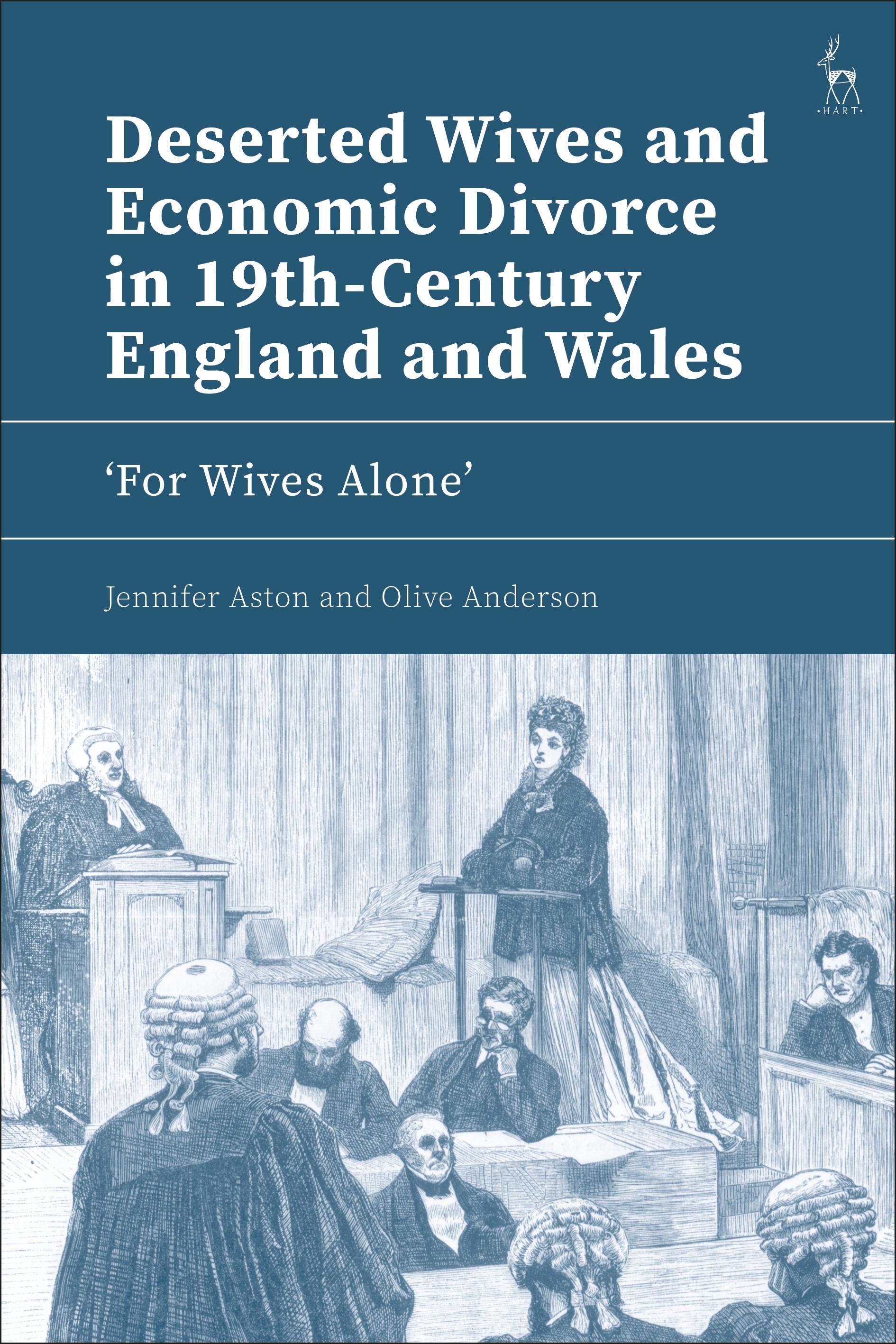
This book considers Section 21 of the Divorce and Matrimonial Causes Act 1857 and its significant impact on previously invisible married women in the 19th century.
Tens of thousands of women used this little-known section of the Act to apply for orders from local magistrates' courts to reclaim their rights of testation, inheritance, property ownership, and (dependent on local franchise qualifications) ability to vote. By examining the orders that were made and considering the women who applied for them, the book challenges the mistaken belief that Victorian England and Wales were nations of married, cohabiting couples.
The detailed statistical analysis and rich case studies presented here provide a totally new perspective on the legal status and experiences of married women in England and Wales. Although many thousands of orders were granted between 1858 and 1900, their details remain unknown and unexamined, primarily because census records did not consistently record dissolved marriages and there is no central index of applications made.
Using sources including court records, parliamentary papers, newspaper reports, census returns, probate records and trade directories, this book reconstructs the successful – and unsuccessful – experiences of women applying to magistrates' courts and the Court for Divorce and Matrimonial Causes to protect their assets across regions and decades.
Tens of thousands of women used this little-known section of the Act to apply for orders from local magistrates' courts to reclaim their rights of testation, inheritance, property ownership, and (dependent on local franchise qualifications) ability to vote. By examining the orders that were made and considering the women who applied for them, the book challenges the mistaken belief that Victorian England and Wales were nations of married, cohabiting couples.
The detailed statistical analysis and rich case studies presented here provide a totally new perspective on the legal status and experiences of married women in England and Wales. Although many thousands of orders were granted between 1858 and 1900, their details remain unknown and unexamined, primarily because census records did not consistently record dissolved marriages and there is no central index of applications made.
Using sources including court records, parliamentary papers, newspaper reports, census returns, probate records and trade directories, this book reconstructs the successful – and unsuccessful – experiences of women applying to magistrates' courts and the Court for Divorce and Matrimonial Causes to protect their assets across regions and decades.
Pay easily by card, Klarna, Apple Pay or Google Pay. Not happy? You always have a 14-day money-back guarantee. Read more in our terms. If you have any questions, email us at hello@memmo.org.
Memmo makes studying easier – wherever you are in the world. We bring your course books and smart study tools together in one place: summaries, quizzes, podcasts and flashcards. Plus Ted, your study buddy who answers anything you wonder. Over 50,000 students already study here – built to help you learn faster and stress less.