
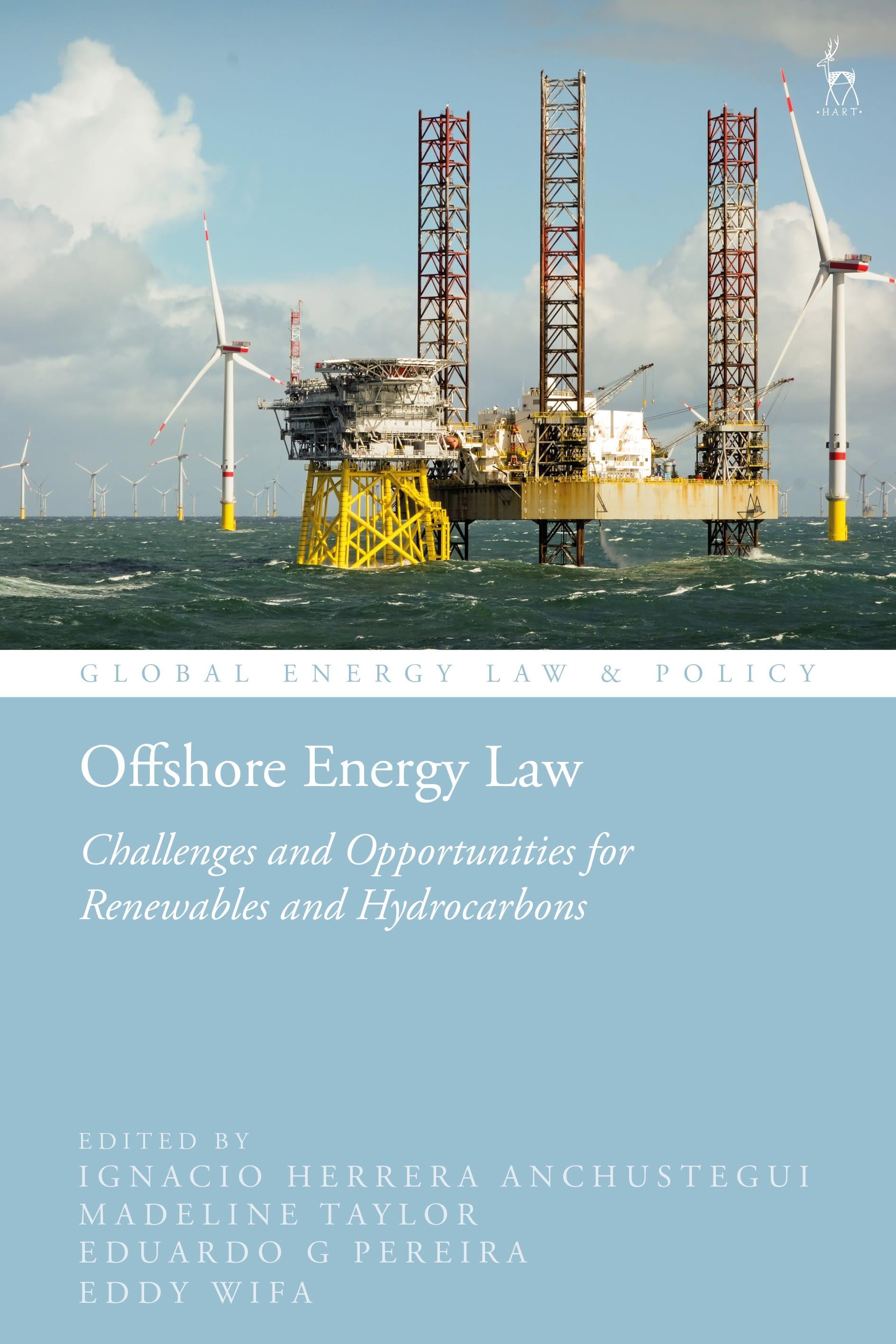
This book examines the regulatory, environmental, financial, socio-legal, and safety aspects that shape offshore energy infrastructure projects and their operation.
The marine environment holds vast resources to provide energy solutions for humankind. The sustainable development of such offshore energy resources is one of the most pressing challenges posed by the energy transition. Whereas offshore hydrocarbons have been explored and extracted for more than a century, the offshore renewable industry is rapidly expanding, with lawmakers increasingly looking to the oceans for significant energy development. Offshore spaces now amalgamate mature and emerging energy industries, creating a pressing need to identify synergies and regulatory challenges.
However, and despite the pivotal role offshore energy is to play in the future, the interaction, synergies and conflicts arising between these regulatory, socio-legal, environmental and financial dimensions of offshore energy are often not discussed within the energy law scholarship. This book aims to fill this evident gap in existing energy law research to distil critical legal lessons from traditional offshore energy sectors to encourage best practice regulation of offshore energy net zero industries.
Offshore Energy Law provides a functional analysis that covers the life cycle of offshore energy developments, including renewable and hydrocarbons, within the broader context of the energy crisis and energy transition debates. Written and edited by leading global offshore energy experts, the book brings together a global and sectoral comparative perspective to central offshore energy topics such as licensing, socio-legal challenges and opportunities, safety and ecological governance, and the use of marine/maritime spatial planning.
The marine environment holds vast resources to provide energy solutions for humankind. The sustainable development of such offshore energy resources is one of the most pressing challenges posed by the energy transition. Whereas offshore hydrocarbons have been explored and extracted for more than a century, the offshore renewable industry is rapidly expanding, with lawmakers increasingly looking to the oceans for significant energy development. Offshore spaces now amalgamate mature and emerging energy industries, creating a pressing need to identify synergies and regulatory challenges.
However, and despite the pivotal role offshore energy is to play in the future, the interaction, synergies and conflicts arising between these regulatory, socio-legal, environmental and financial dimensions of offshore energy are often not discussed within the energy law scholarship. This book aims to fill this evident gap in existing energy law research to distil critical legal lessons from traditional offshore energy sectors to encourage best practice regulation of offshore energy net zero industries.
Offshore Energy Law provides a functional analysis that covers the life cycle of offshore energy developments, including renewable and hydrocarbons, within the broader context of the energy crisis and energy transition debates. Written and edited by leading global offshore energy experts, the book brings together a global and sectoral comparative perspective to central offshore energy topics such as licensing, socio-legal challenges and opportunities, safety and ecological governance, and the use of marine/maritime spatial planning.
Pay easily by card, Klarna, Apple Pay or Google Pay. Not happy? You always have a 14-day money-back guarantee. Read more in our terms. If you have any questions, email us at hello@memmo.org.
Memmo makes studying easier – wherever you are in the world. We bring your course books and smart study tools together in one place: summaries, quizzes, podcasts and flashcards. Plus Ted, your study buddy who answers anything you wonder. Over 50,000 students already study here – built to help you learn faster and stress less.