
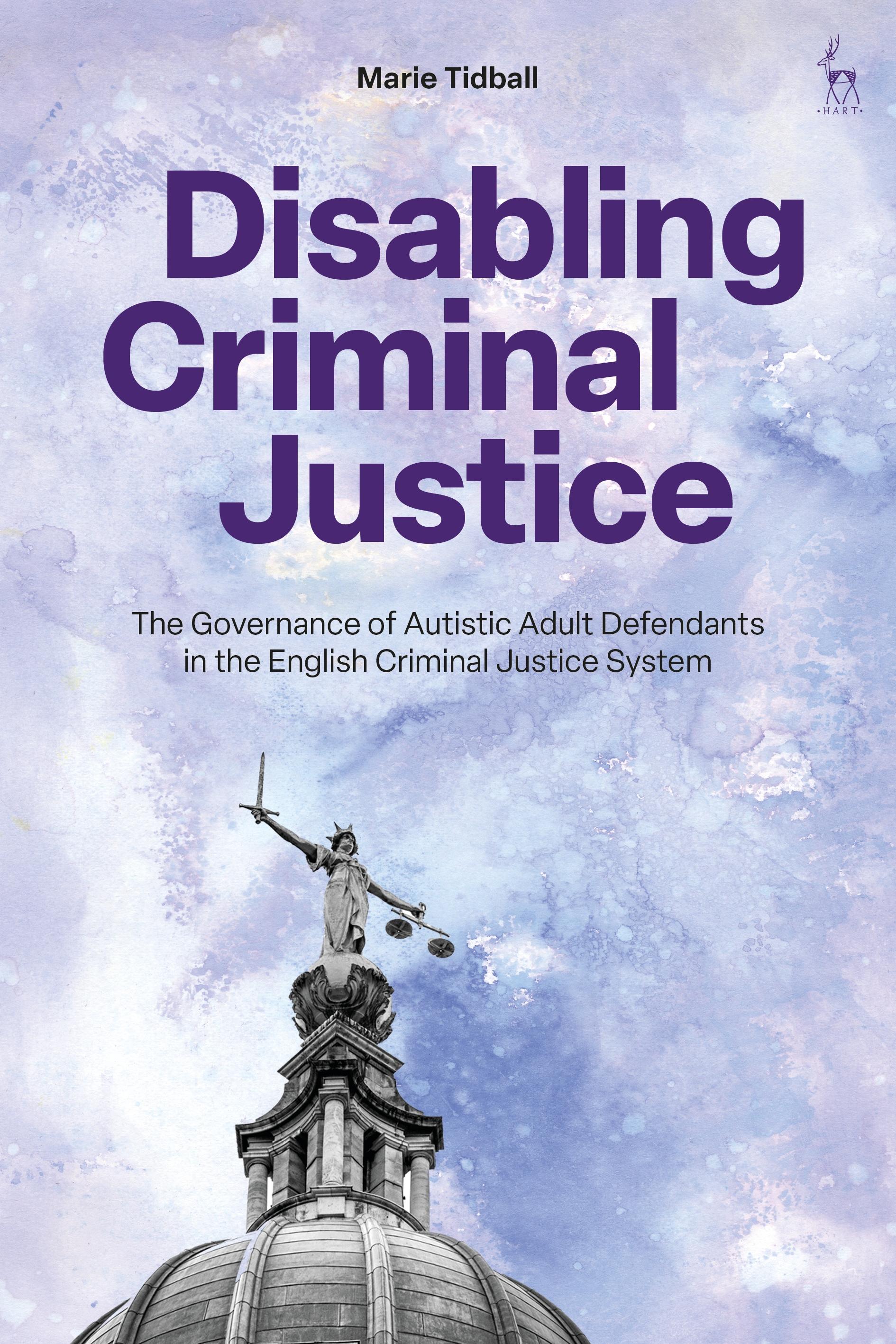
This book considers the governance of autistic defendants and offenders in the UK courts.
Utilising the social model of disability, it considers the dominant strategies of governance, including 'vulnerability', which the author argues obscures the rights of disabled people in the criminal justice system. In doing so it sheds light on how this group should be governed.
Drawing on rigorously-researched case studies of autistic adult defendants through the court process, the book brings together relevant legal and policy literature, criminological and criminal justice theory and disability studies to provide insight into the 'dividing practices' that affect the governance of disabled defendants' conduct.
Using interviews with elites and practitioners, textual analysis, and court observation of eight autistic adult defendants through their court process, the book investigates why the status of autistic defendants as disabled under the Equality Act 2010 has been overlooked in criminal justice policy and criminal court decision-making.
It explores the impact of the 'collateral' effects and 'symbiotic harm' of the criminal justice process on family members who support these defendants through the criminal justice process.
Utilising the social model of disability, it considers the dominant strategies of governance, including 'vulnerability', which the author argues obscures the rights of disabled people in the criminal justice system. In doing so it sheds light on how this group should be governed.
Drawing on rigorously-researched case studies of autistic adult defendants through the court process, the book brings together relevant legal and policy literature, criminological and criminal justice theory and disability studies to provide insight into the 'dividing practices' that affect the governance of disabled defendants' conduct.
Using interviews with elites and practitioners, textual analysis, and court observation of eight autistic adult defendants through their court process, the book investigates why the status of autistic defendants as disabled under the Equality Act 2010 has been overlooked in criminal justice policy and criminal court decision-making.
It explores the impact of the 'collateral' effects and 'symbiotic harm' of the criminal justice process on family members who support these defendants through the criminal justice process.
Pay easily by card, Klarna, Apple Pay or Google Pay. Not happy? You always have a 14-day money-back guarantee. Read more in our terms. If you have any questions, email us at hello@memmo.org.
Memmo makes studying easier – wherever you are in the world. We bring your course books and smart study tools together in one place: summaries, quizzes, podcasts and flashcards. Plus Ted, your study buddy who answers anything you wonder. Over 50,000 students already study here – built to help you learn faster and stress less.