
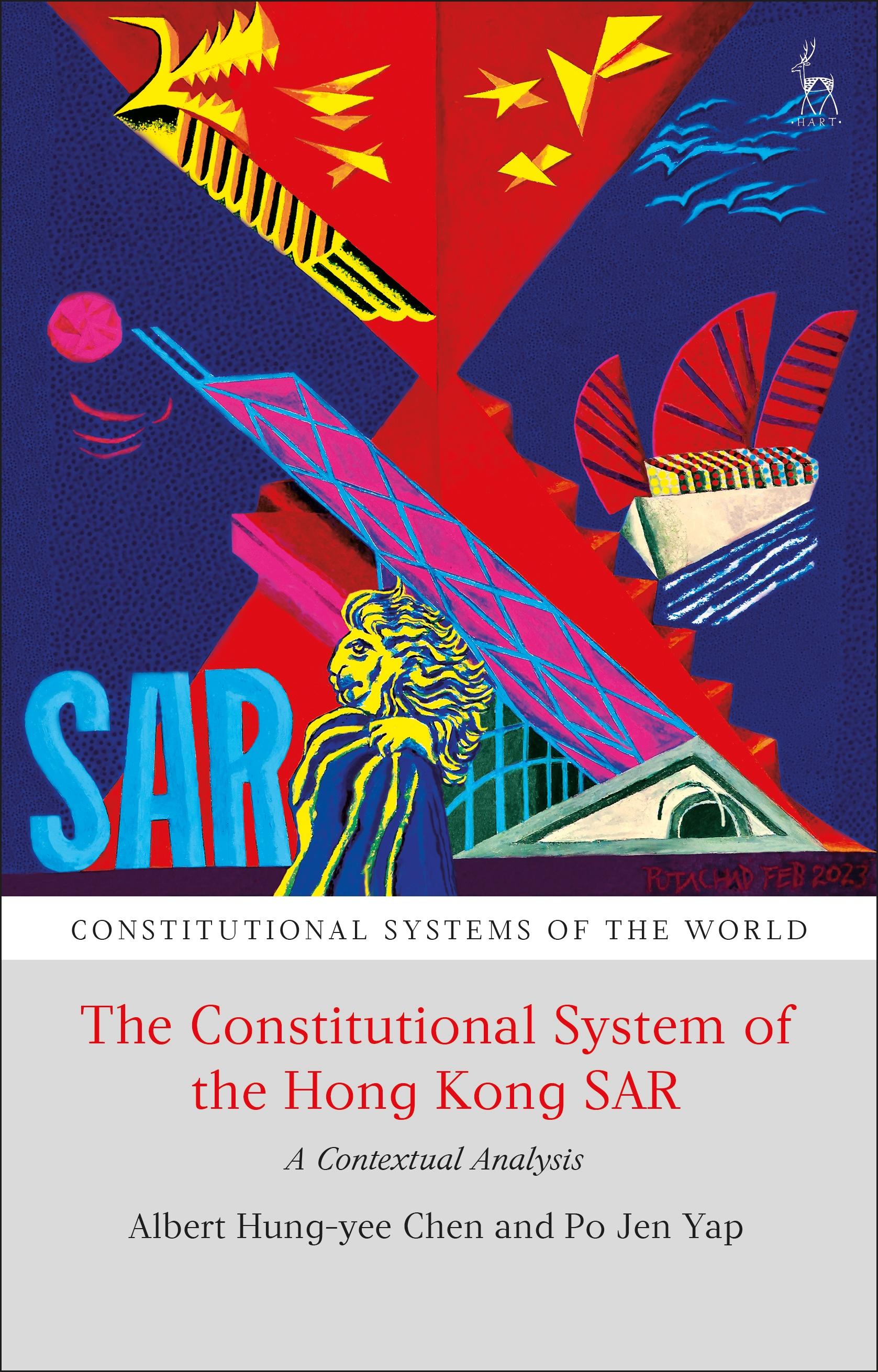
This book provides an account of the evolving constitutional arrangement known as “One Country, Two Systems”, as practised in the Hong Kong Special Administrative Region of the People's Republic of China (PRC).
The British colony of Hong Kong, one of the “Four Little Dragons” of East Asia, reverted to Chinese rule in 1997. Since then, Hong Kong has continued to be an international financial centre, a free market, and a cosmopolitan city. At the same time, the tensions and contradictions inherent in “One Country, Two Systems” have given rise to constitutional controversies and social movements, culminating in the Umbrella movement of 2014, the anti-extradition law movement of 2019, the enactment of a National Security Law in 2020, and the electoral overhaul of 2021. This book discusses the structure and operations of Hong Kong's legal, judicial and political systems and their interactions with the national authorities of the PRC.
The book provides a useful case study in comparative constitutional law, especially on autonomy and devolution issues within sovereign States. This comparative study is particularly interesting because Hong Kong is a common law jurisdiction within the PRC's socialist legal system. It will therefore be of interest to students and scholars of Chinese law, Hong Kong law and comparative politics, as well as lawyers whose practice involves Hong Kong.
The British colony of Hong Kong, one of the “Four Little Dragons” of East Asia, reverted to Chinese rule in 1997. Since then, Hong Kong has continued to be an international financial centre, a free market, and a cosmopolitan city. At the same time, the tensions and contradictions inherent in “One Country, Two Systems” have given rise to constitutional controversies and social movements, culminating in the Umbrella movement of 2014, the anti-extradition law movement of 2019, the enactment of a National Security Law in 2020, and the electoral overhaul of 2021. This book discusses the structure and operations of Hong Kong's legal, judicial and political systems and their interactions with the national authorities of the PRC.
The book provides a useful case study in comparative constitutional law, especially on autonomy and devolution issues within sovereign States. This comparative study is particularly interesting because Hong Kong is a common law jurisdiction within the PRC's socialist legal system. It will therefore be of interest to students and scholars of Chinese law, Hong Kong law and comparative politics, as well as lawyers whose practice involves Hong Kong.
Pay easily by card, Klarna, Apple Pay or Google Pay. Not happy? You always have a 14-day money-back guarantee. Read more in our terms. If you have any questions, email us at hello@memmo.org.
Memmo makes studying easier – wherever you are in the world. We bring your course books and smart study tools together in one place: summaries, quizzes, podcasts and flashcards. Plus Ted, your study buddy who answers anything you wonder. Over 50,000 students already study here – built to help you learn faster and stress less.