
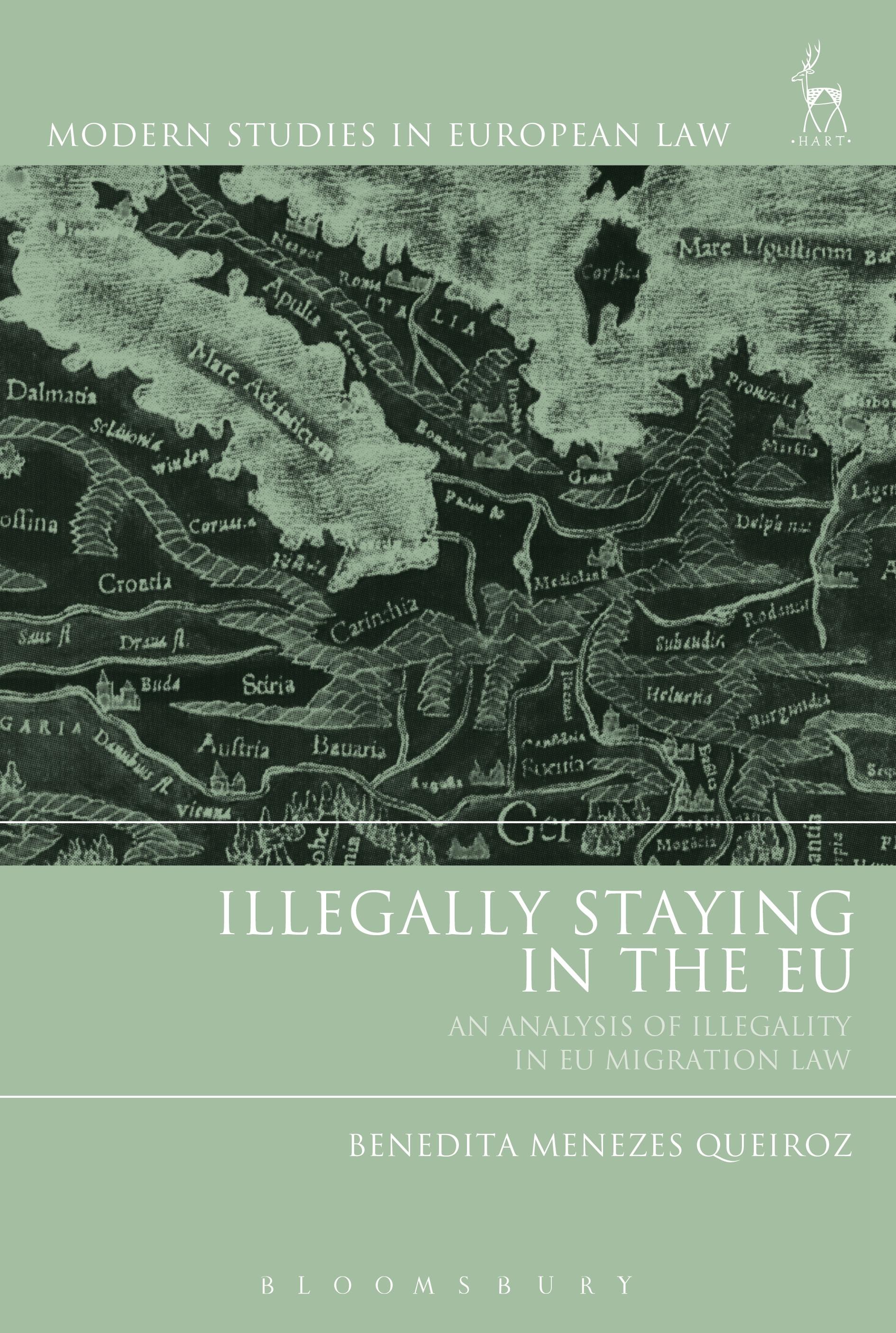
Principally, this book comprises a conceptual analysis of the illegality of a third-country national's stay by examining the boundaries of the overarching concept of illegality at the EU level. Having found that the holistic conceptualisation of illegality, constructed through a combination of sources (both EU and national law) falls short of adequacy, the book moves on to consider situations that fall outside the traditional binary of legal and illegal under EU law. The cases of unlawfully staying EU citizens and of non-removable illegally staying third-country nationals are examples of groups of migrants who are categorised as atypical. By looking at these two examples the book reveals not only the fragmentation of legal statuses in EU migration law but also the more general ill-fitting and unsatisfactory categorisation of migrants.
The potential conflation of illegality with criminality as a result of the way EU databases regulate the legal regime of illegality of a migrant's stay is the first trend identified by the book. Subsequently, the book considers the functions of accessing legality (both instrumental and corrective). In doing so it draws out another trend evident in the EU illegality regime: a two-tier regime which discriminates on the basis of wealth and the instrumentalisation of access to legality by Member States for mostly their own purposes.
Finally, the book proposes a corrective rationale for the regulation of illegality through access to legality and provides a number of normative suggestions as a way of remedying current deficiencies that arise out of the present supranational framing of illegality.
The potential conflation of illegality with criminality as a result of the way EU databases regulate the legal regime of illegality of a migrant's stay is the first trend identified by the book. Subsequently, the book considers the functions of accessing legality (both instrumental and corrective). In doing so it draws out another trend evident in the EU illegality regime: a two-tier regime which discriminates on the basis of wealth and the instrumentalisation of access to legality by Member States for mostly their own purposes.
Finally, the book proposes a corrective rationale for the regulation of illegality through access to legality and provides a number of normative suggestions as a way of remedying current deficiencies that arise out of the present supranational framing of illegality.
Pay easily by card, Klarna, Apple Pay or Google Pay. Not happy? You always have a 14-day money-back guarantee. Read more in our terms. If you have any questions, email us at hello@memmo.org.
Memmo makes studying easier – wherever you are in the world. We bring your course books and smart study tools together in one place: summaries, quizzes, podcasts and flashcards. Plus Ted, your study buddy who answers anything you wonder. Over 50,000 students already study here – built to help you learn faster and stress less.