
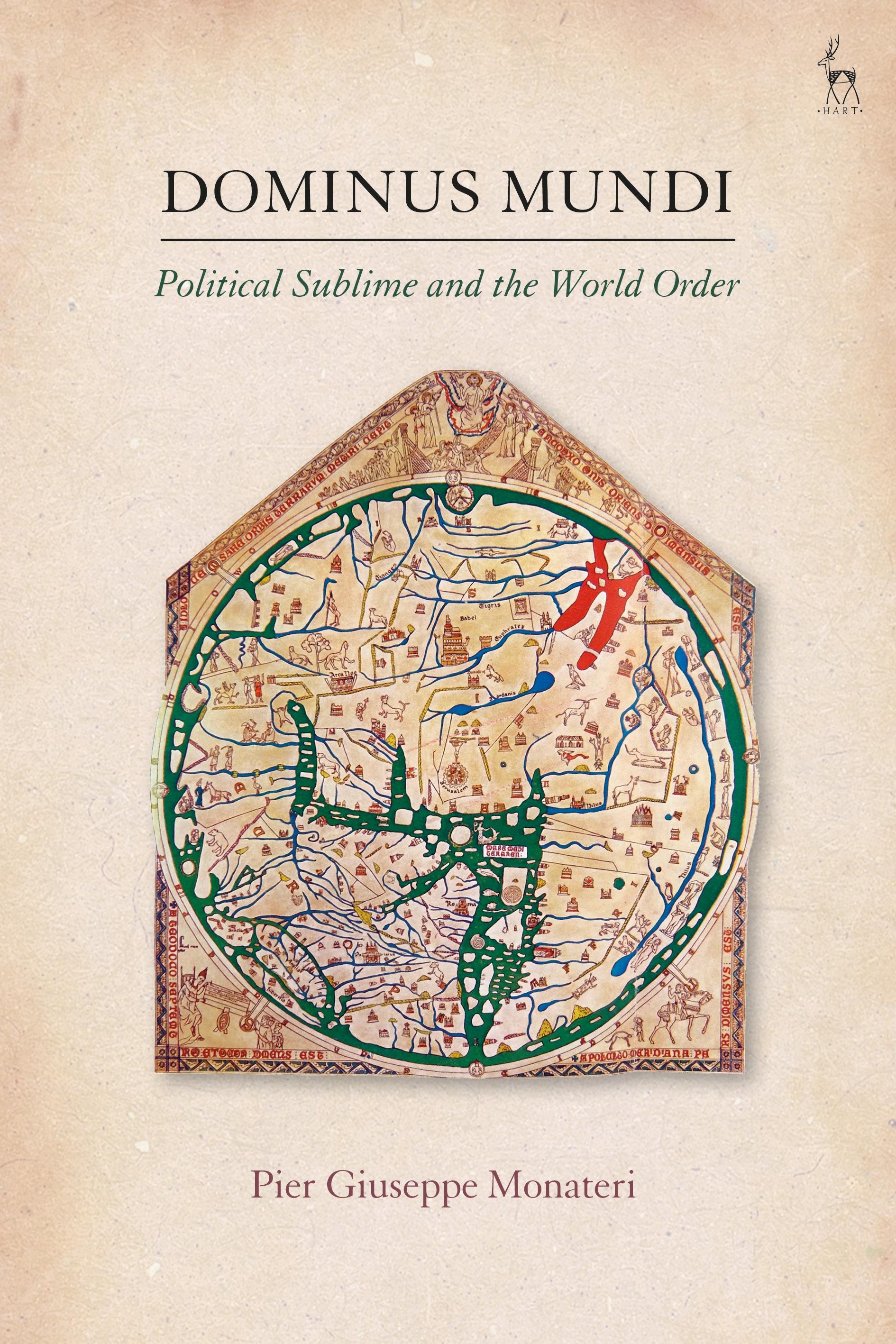
This monograph makes a seminal contribution to existing literature on the importance of Roman law in the development of political thought in Europe. In particular it examines the expression 'dominus mundi', following it through the texts of the medieval jurists – the Glossators and Post-Glossators – up to the political thought of Hobbes. Understanding the concept of dominus mundi sheds light on how medieval jurists understood ownership of individual things; it is more complex than it might seem; and this book investigates these complexities. The book also offers important new insights into Thomas Hobbes, especially with regard to the end of dominus mundi and the replacement by Leviathan. Finally, the book has important relevance for contemporary political theory. With fading of political diversity Monateri argues “that the actual setting of globalisation represents the reappearance of the Ghost of the Dominus Mundi, a political refoulé – repressed – a reappearance of its sublime nature, and a struggle to restore its universal legitimacy, and take its place.” In making this argument, the book adds an important original vision to current debates in legal and political philosophy.
Pay easily by card, Klarna, Apple Pay or Google Pay. Not happy? You always have a 14-day money-back guarantee. Read more in our terms. If you have any questions, email us at hello@memmo.org.
Memmo makes studying easier – wherever you are in the world. We bring your course books and smart study tools together in one place: summaries, quizzes, podcasts and flashcards. Plus Ted, your study buddy who answers anything you wonder. Over 50,000 students already study here – built to help you learn faster and stress less.