
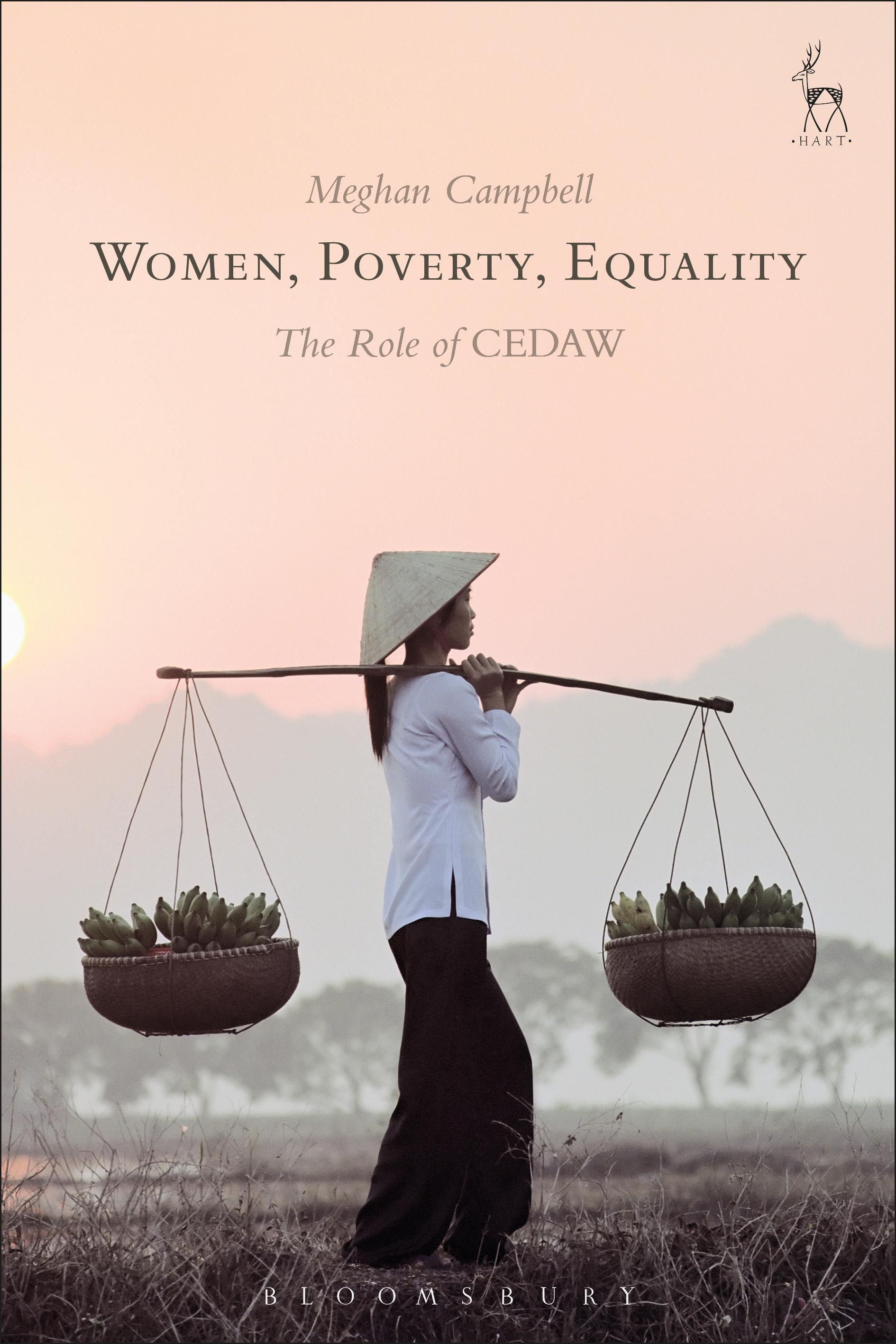
The stark reality is that throughout the world, women disproportionately live in poverty. This indicates that gender can both cause and perpetuate poverty, but this is a complex and cross-cutting relationship.The full enjoyment of human rights is routinely denied to women who live in poverty. How can human rights respond and alleviate gender-based poverty? This monograph closely examines the potential of equality and non-discrimination at international law to redress gender-based poverty. It offers a sophisticated assessment of how the international human rights treaties, specifically the Convention on the Elimination of Discrimination Against Women (CEDAW), which contains no obligations on poverty, can be interpreted and used to address gender-based poverty. An interpretation of CEDAW that incorporates the harms of gender-based poverty can spark a global dialogue. The book makes an important contribution to that dialogue, arguing that the CEDAW should serve as an authoritative international standard setting exercise that can activate international accountability mechanisms and inform the domestic interpretation of human rights.
Pay easily by card, Klarna, Apple Pay or Google Pay. Not happy? You always have a 14-day money-back guarantee. Read more in our terms. If you have any questions, email us at hello@memmo.org.
Memmo makes studying easier – wherever you are in the world. We bring your course books and smart study tools together in one place: summaries, quizzes, podcasts and flashcards. Plus Ted, your study buddy who answers anything you wonder. Over 50,000 students already study here – built to help you learn faster and stress less.