
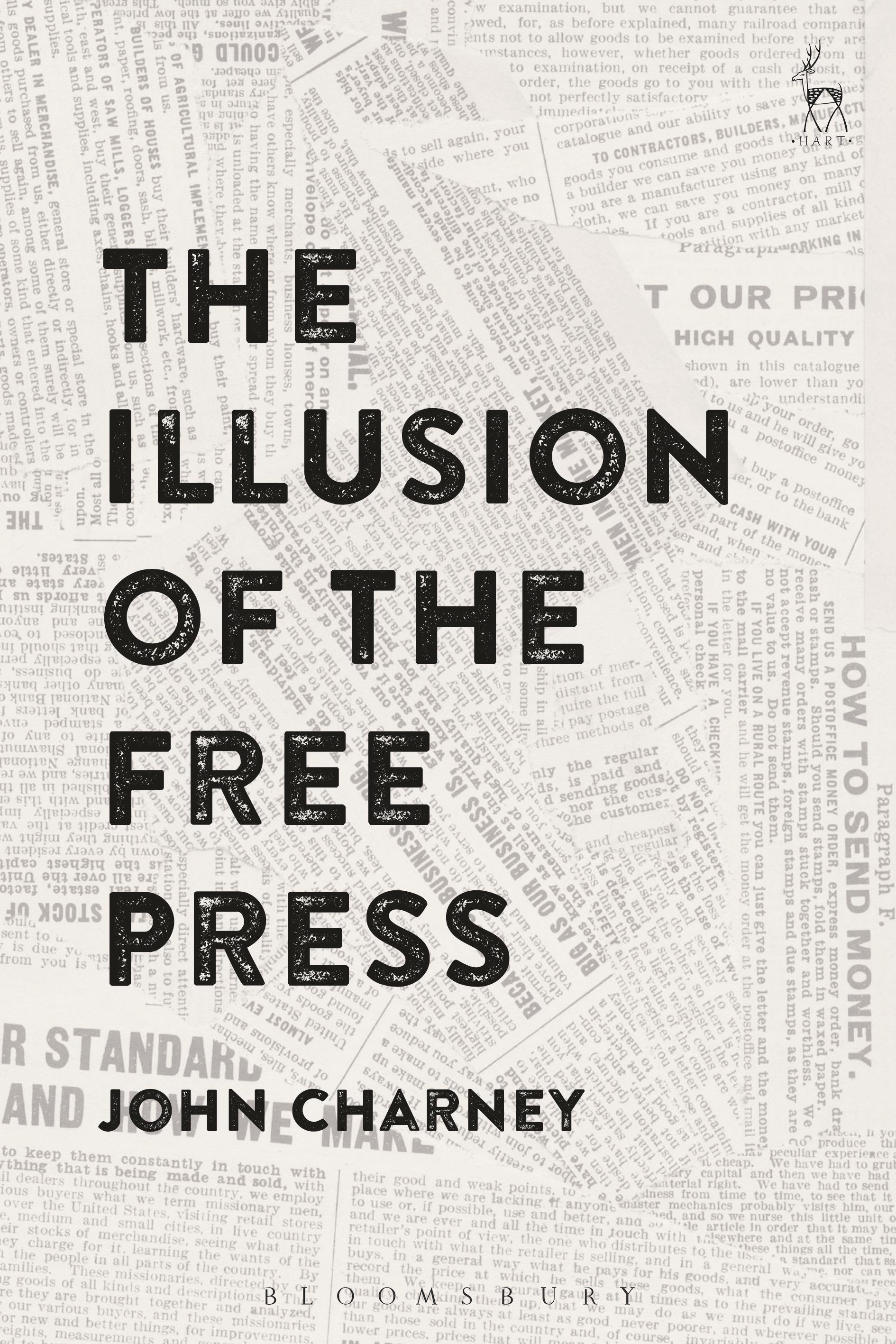
This book explores the relationship between truth and freedom in the free press. It argues that the relationship is problematic because the free press implies a competition between plural ideas, whereas truth is univocal. Based on this tension the book claims that the idea of a free press is premised on an epistemological illusion. This illusion enables society to maintain that the world it perceives through the press corresponds to the world as it actually exists, explaining why defenders of the free press continue to rely on its capacity to discover the truth, despite economic conditions and technological innovations undermining much of its independence. The book invites the reader to reconsider the philosophical foundations, constitutional justifications, and structure and functions of the free press, and whether the institution can, in fact, realise both freedom and truth. It will be of great interest to anyone concerned in the role and value of the free press in the modern world.
Pay easily by card, Klarna, Apple Pay or Google Pay. Not happy? You always have a 14-day money-back guarantee. Read more in our terms. If you have any questions, email us at hello@memmo.org.
Memmo makes studying easier – wherever you are in the world. We bring your course books and smart study tools together in one place: summaries, quizzes, podcasts and flashcards. Plus Ted, your study buddy who answers anything you wonder. Over 75,000 students already study here – built to help you learn faster and stress less.