
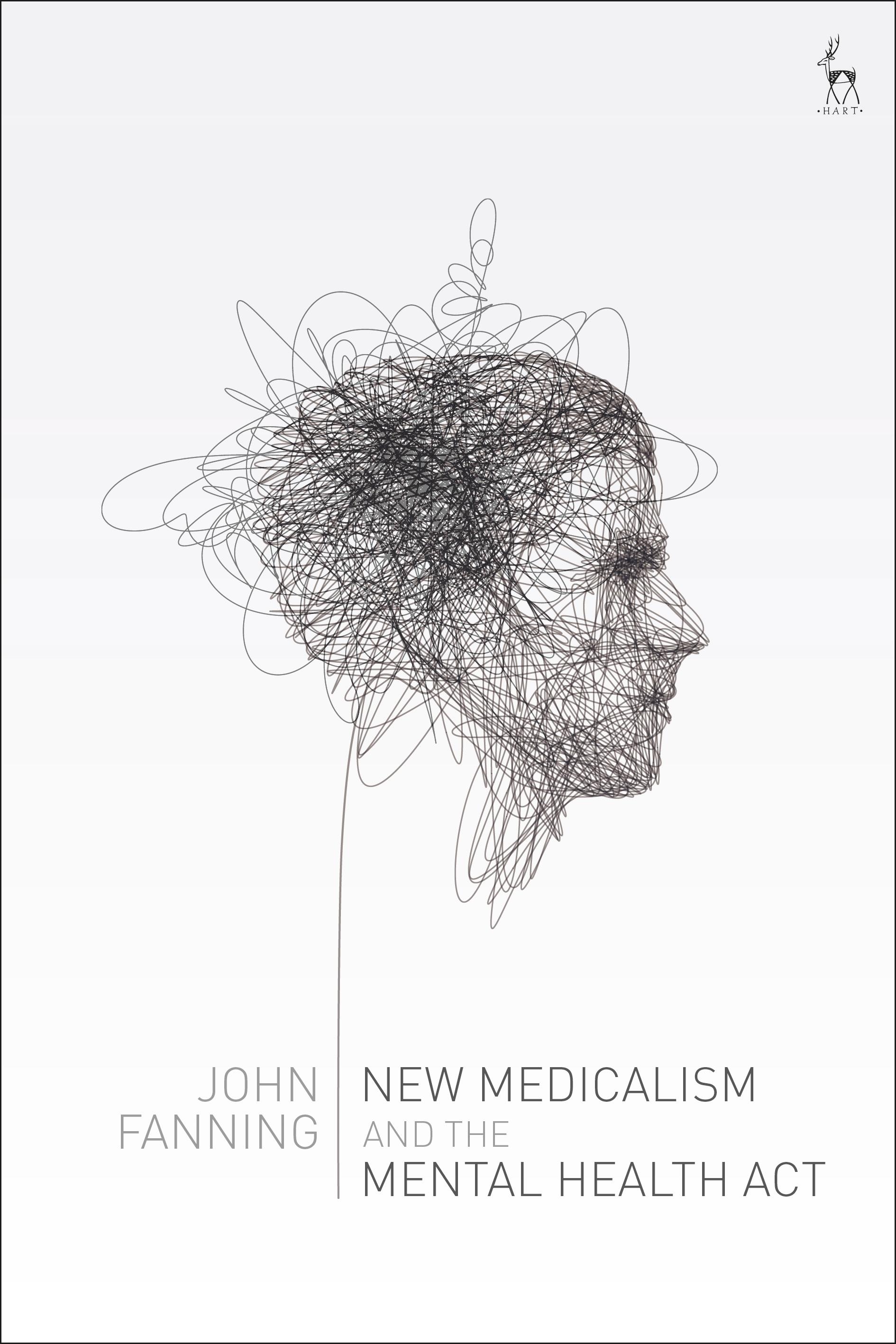
Ten years have passed since the Mental Health Act (MHA) 2007 came into force in England. An amending statute, the Act reformed the MHA 1983 and reshaped the law governing the compulsory care and treatment of people suffering from mental disorders. Primarily driven by concerns about risk, it sought to remove legalistic obstacles to civil commitment and extend the law's coercive reach into the community. At the time of its introduction, the 2007 Act was written off as a retrograde step and a missed opportunity for radical, rights-focused reform. Despite this, little attention has been paid to its impact in the years since.
Published to coincide with the tenth anniversary of the 2007 Act, this book offers a timely evaluation of mental health law and policy in England. It argues that the current MHA defies easy categorisation within any of the descriptive models which have customarily narrated the mechanics of civil commitment, namely 'legalism', 'new legalism', and 'medicalism'. It therefore makes the case for a new model – new medicalism – to account for the 2007 Act's enhancement of the discretion of mental health professionals for the express purposes of facilitating the management of situations of risk. In doing so, the book: critically examines the problems inherent in civil commitment frameworks organised around the concept of risk; explores the theoretical foundations of new medicalism; considers the challenges facing proponents of future reform in the era of the UN Convention on
the Rights of Persons with Disabilities; and, reflects on the 2007 Act's practical impact.
Published to coincide with the tenth anniversary of the 2007 Act, this book offers a timely evaluation of mental health law and policy in England. It argues that the current MHA defies easy categorisation within any of the descriptive models which have customarily narrated the mechanics of civil commitment, namely 'legalism', 'new legalism', and 'medicalism'. It therefore makes the case for a new model – new medicalism – to account for the 2007 Act's enhancement of the discretion of mental health professionals for the express purposes of facilitating the management of situations of risk. In doing so, the book: critically examines the problems inherent in civil commitment frameworks organised around the concept of risk; explores the theoretical foundations of new medicalism; considers the challenges facing proponents of future reform in the era of the UN Convention on
the Rights of Persons with Disabilities; and, reflects on the 2007 Act's practical impact.
Pay easily by card, Klarna, Apple Pay or Google Pay. Not happy? You always have a 14-day money-back guarantee. Read more in our terms. If you have any questions, email us at hello@memmo.org.
Memmo makes studying easier – wherever you are in the world. We bring your course books and smart study tools together in one place: summaries, quizzes, podcasts and flashcards. Plus Ted, your study buddy who answers anything you wonder. Over 50,000 students already study here – built to help you learn faster and stress less.