
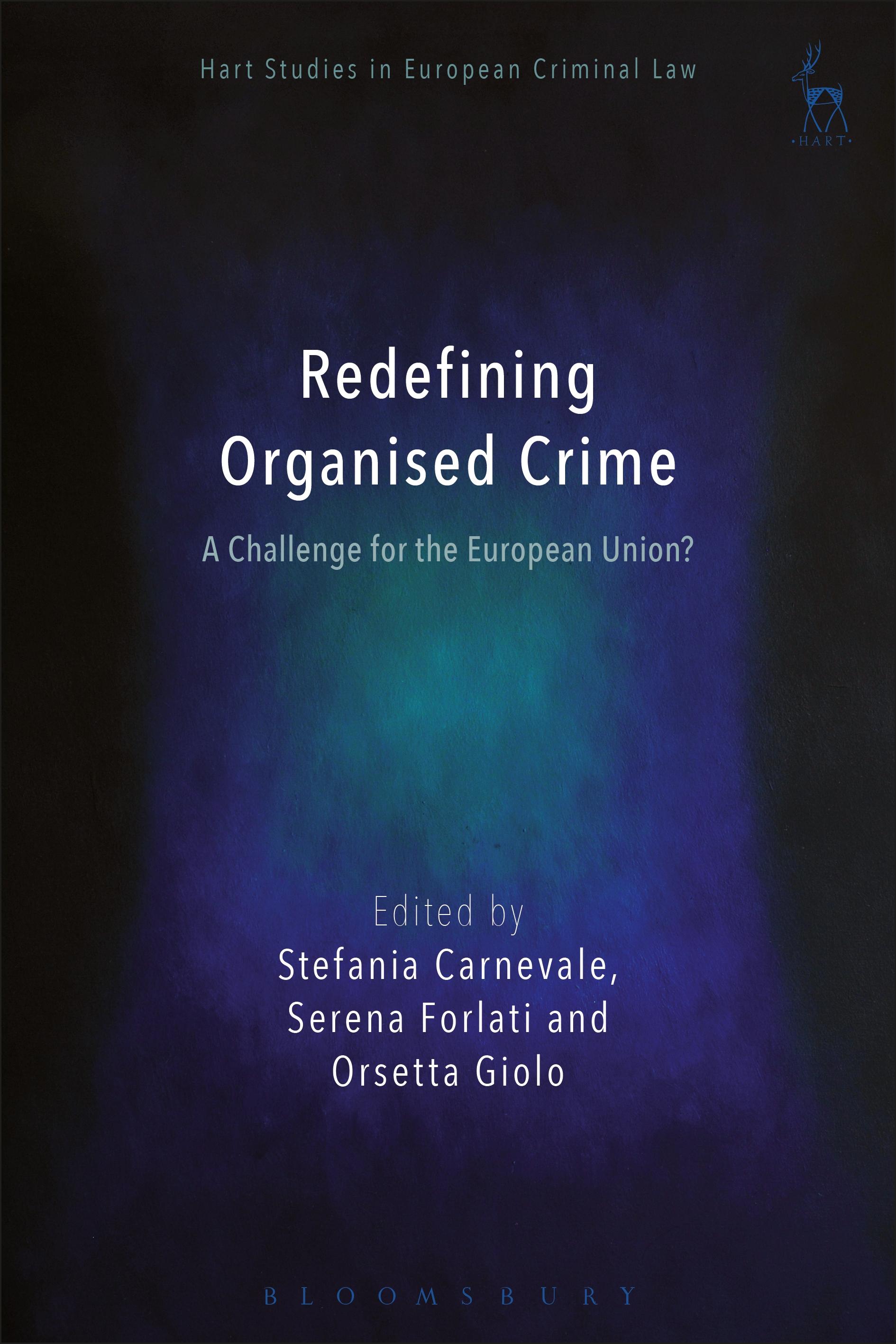
The definition of organised crime has long been the object of lively debate, at national and international level. Sociological and legal analysis has not yet led to one definitive answer to the question of what exactly 'organised crime' means. Nonetheless, many instruments adopted both at international and national levels set forth special legal regimes designed to target criminal groups featuring a stable organisation, which are perceived as particularly dangerous to society. Therefore, identifying the notion of organised crime is crucial to establishing the scope of any legal instrument specifically designed for combating it.
The aim of this book is to reassess the scope, the effectiveness and the overall coherence of existing definitions of organised crime, and to identify any need for a reconsideration of these definitions, specifically with reference to the EU legal order. It will be of interest to academics, practitioners and legislators working in the sphere of EU criminal law and of organised crime more generally.
The aim of this book is to reassess the scope, the effectiveness and the overall coherence of existing definitions of organised crime, and to identify any need for a reconsideration of these definitions, specifically with reference to the EU legal order. It will be of interest to academics, practitioners and legislators working in the sphere of EU criminal law and of organised crime more generally.
Pay easily by card, Klarna, Apple Pay or Google Pay. Not happy? You always have a 14-day money-back guarantee. Read more in our terms. If you have any questions, email us at hello@memmo.org.
Memmo makes studying easier – wherever you are in the world. We bring your course books and smart study tools together in one place: summaries, quizzes, podcasts and flashcards. Plus Ted, your study buddy who answers anything you wonder. Over 50,000 students already study here – built to help you learn faster and stress less.