
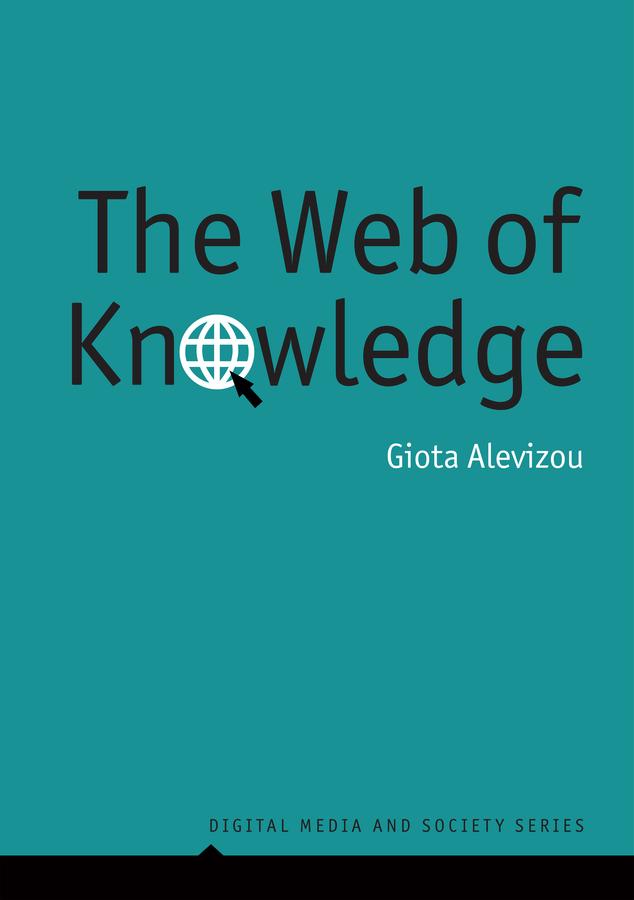
The encyclopedia has expanded in scope, scale, and popularity in the digital age. Wikipedia in particular serves as a gateway to information and a flashpoint for disputes over authority, expertise, and cultural perspectives.
This innovative book, which includes a foreword by the co-founder of Wikipedia, Jimmy Wales, traces the historical roots of digital encyclopedias in the early development of information science and cyberculture. It identifies trends within their digital evolution to reveal a complex web of relationships between media technology, knowledge, and culture. Using several case studies, Alevizou analyses how major technological shifts have impacted the publishing models, governance, and creative labour of reference works; the evolution of the genre and the modalities of representation and access; and the range of uses and symbolic meanings of encyclopedias as diverse nodes within broader information economies, as commodities and as public goods.
Filled with rich empirical insights, this engaging text reflects on how encyclopedias serve as informational media today and discusses their continued relevance in public communication and culture. The Web of Knowledge is essential reading for students and scholars of digital media, platform studies, and the political economy of knowledge.
Pay easily by card, Klarna, Apple Pay or Google Pay. Not happy? You always have a 14-day money-back guarantee. Read more in our terms. If you have any questions, email us at hello@memmo.org.
Memmo makes studying easier – wherever you are in the world. We bring your course books and smart study tools together in one place: summaries, quizzes, podcasts and flashcards. Plus Ted, your study buddy who answers anything you wonder. Over 50,000 students already study here – built to help you learn faster and stress less.