
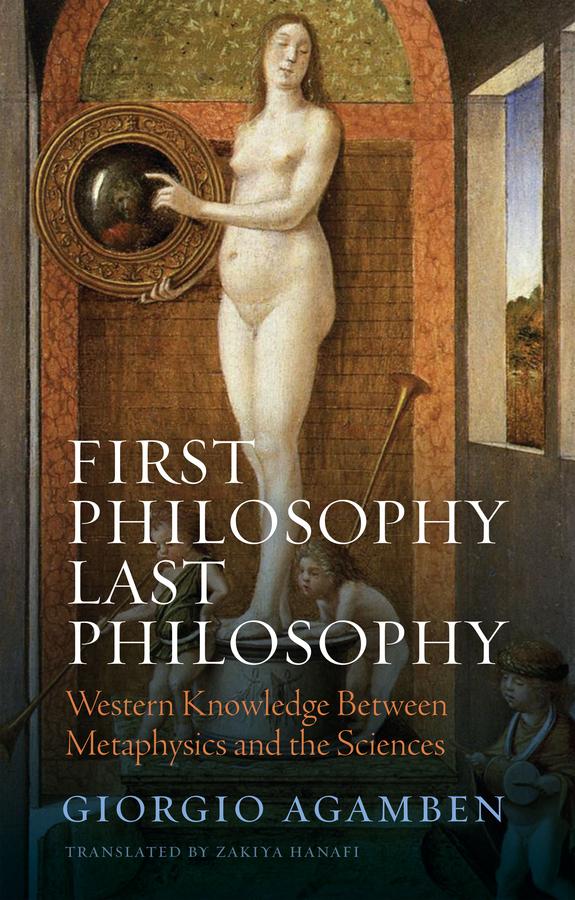
What is at stake in that form of inquiry that the western philosophical tradition has called “first philosophy” or “metaphysics”? Is it an abstract, now outmoded branch of philosophy, or does it address a problem that is still of great interest – namely the unity of western knowledge?
In fact, metaphysics is “first” only in relation to the other two sciences that Aristotle called “theoretical”: the study of nature (phusikē) and mathematics. It is the strategic sense of this “primacy” that needs to be examined, because what is at issue here is nothing less than the relationship – of domination or subservience, conflict or harmony – between philosophy and science. The hypothesis of this book is that philosophy’s attempt to use metaphysics as a way of securing primacy among the sciences has resulted instead in its subservience: philosophy, once handmaiden to theology (ancilla theologiae), has now become more or less consciously handmaiden to the sciences (ancilla scientiarum). So it is all the more urgent to explore the nature and limits of this primacy and subservience, which is what the present book does through an archaeological investigation of metaphysics.
This important rereading of the western philosophical tradition by a leading thinker will be of interest to students and scholars in philosophy, critical theory and the humanities more generally, and to anyone interested in contemporary philosophy and European thought.
Pay easily by card, Klarna, Apple Pay or Google Pay. Not happy? You always have a 14-day money-back guarantee. Read more in our terms. If you have any questions, email us at hello@memmo.org.
Memmo makes studying easier – wherever you are in the world. We bring your course books and smart study tools together in one place: summaries, quizzes, podcasts and flashcards. Plus Ted, your study buddy who answers anything you wonder. Over 50,000 students already study here – built to help you learn faster and stress less.