
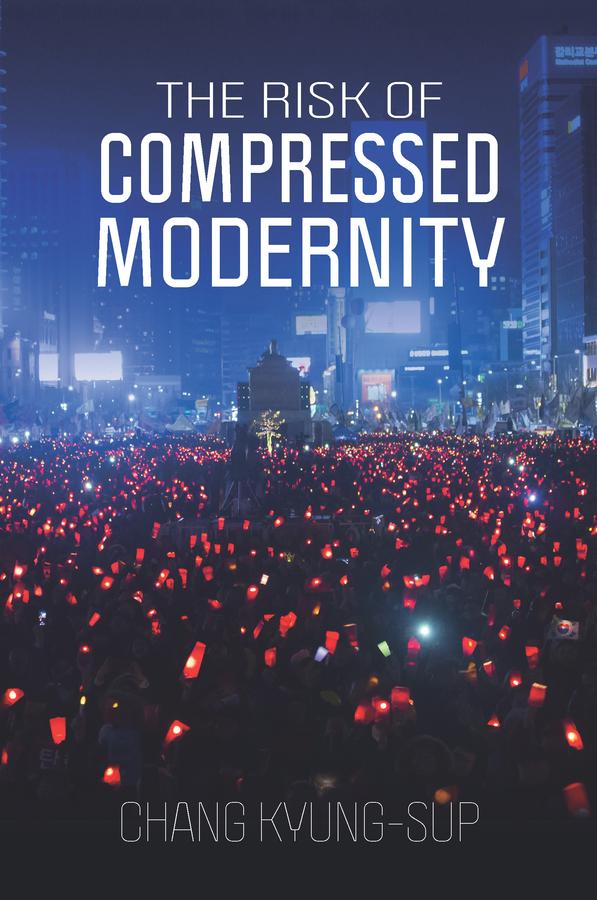
In many Asian societies, the process of modernization often took place in a rapid and highly compressed fashion – not over centuries, as had happened in most Western societies, but in several decades. This enabled Asian societies to achieve high levels of economic growth very quickly, but it also harbored unexpected risks and costs that threatened further development. The very mechanisms and strategies that made their explosive modernization possible tended to produce existentially hazardous consequences in virtually all areas of public and private life, and seemingly insurmountable obstacles to sustained advances in the future.
Focusing on South Korea and other Asian countries, this book presents a critical account of compressed modernity and its key structural risks. These include endemic political crises, distorted industrial governance, widespread labor displacement, worsening intellectual and cultural dependency, rampant environmental and physical hazards, and even abrupt demographic meltdown. However, these risks and contradictions have also stimulated structural reforms and adaptations, opening up the possibility for the kind of radical change that Ulrich Beck described as “the metamorphosis of the world.”
Pay easily by card, Klarna, Apple Pay or Google Pay. Not happy? You always have a 14-day money-back guarantee. Read more in our terms. If you have any questions, email us at hello@memmo.org.
Memmo makes studying easier – wherever you are in the world. We bring your course books and smart study tools together in one place: summaries, quizzes, podcasts and flashcards. Plus Ted, your study buddy who answers anything you wonder. Over 50,000 students already study here – built to help you learn faster and stress less.