
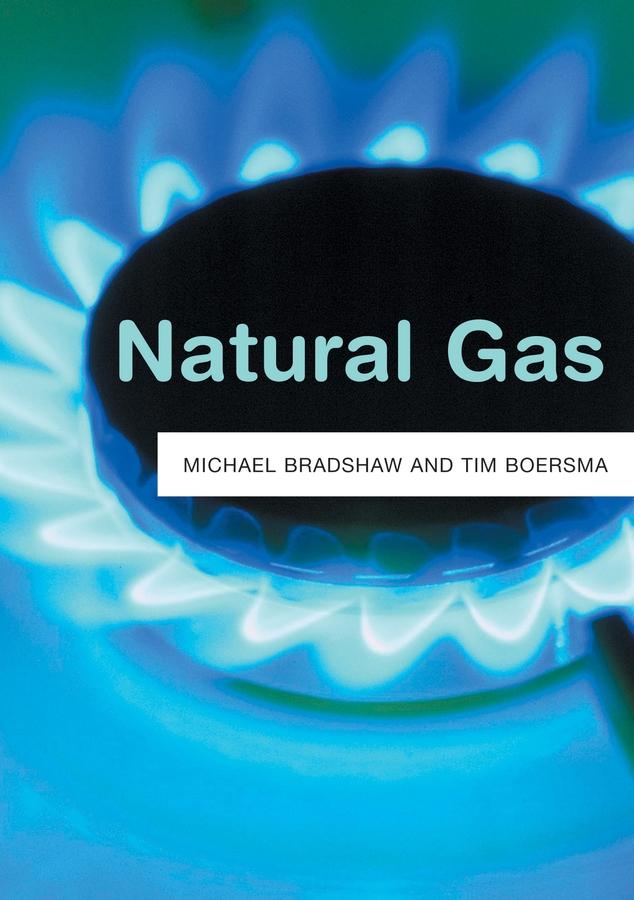
Is natural gas the ‘bridge’ to our low-carbon future? In power generation, industrial processes, parts of the transportation sector, and for domestic use, natural gas still has the potential to play a greater role in various energy transition pathways around the world. But such a future is by no means certain.
In this book, Michael Bradshaw and Tim Boersma offer a sober and balanced assessment of the place of natural gas in the global energy mix today, and the uncertainties that cloud our understanding of what that role may look like in the future. They argue that natural gas has become prominent in recent decades, spurred by two revolutions: the first has been the rise of unconventional natural gas production, and the second the coming of age of the market for liquefied natural gas (LNG). However, a third revolution is required to secure natural gas’ long-term role in various energy transition pathways, as countries are increasingly pushing to address air quality concerns and curtail greenhouse gas emissions. This revolution has to take place as politicians, citizens, investors and shareholders are becoming increasingly vocal about the need to improve the environmental footprint of the fuel, while simultaneously, and perhaps paradoxically, demand for it continues to grow, in a world where geopolitical challenges seem to be mounting.
Pay easily by card, Klarna, Apple Pay or Google Pay. Not happy? You always have a 14-day money-back guarantee. Read more in our terms. If you have any questions, email us at hello@memmo.org.
Memmo makes studying easier – wherever you are in the world. We bring your course books and smart study tools together in one place: summaries, quizzes, podcasts and flashcards. Plus Ted, your study buddy who answers anything you wonder. Over 50,000 students already study here – built to help you learn faster and stress less.