
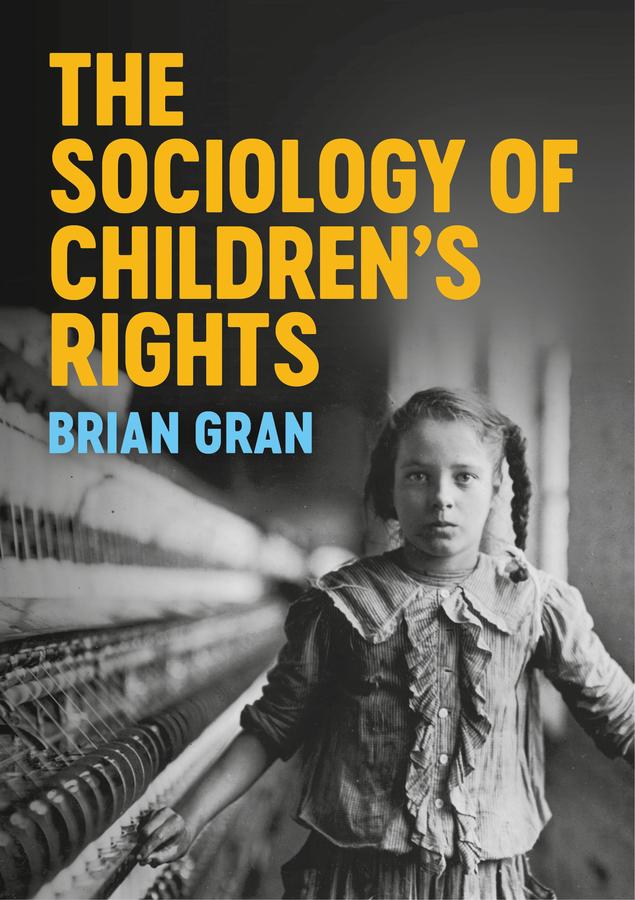
Children’s rights appear universal, inalienable, and indivisible, intended to advance young people’s interests. Yet, in practice, evidence suggests the contrary: the international framework of treaties, procedures, and national policies contains fundamental contradictions that weaken commitments to children’s real-world protections.
Brian Gran helps us understand what is at stake when children’s rights are compromised. This insightful text grounds readers in core theories and key data about children’s legal entitlements. The chapters tackle central questions about what rights accrue to young people, whether they advance equality, and how they influence children’s identities, freedoms, and societal participation. Ultimately, this book shows how current frameworks hinder young people from possessing and benefiting from human rights, arguing that they function as cynical invitations to question whether we truly believe children are endowed with human rights.
The Sociology of Children’s Rights offers a critical and accessible introduction to understanding a complex issue in the contemporary world, and is a compelling read for students and researchers concerned with human rights in sociology, political science, law, social work, and childhood studies.
Pay easily by card, Klarna, Apple Pay or Google Pay. Not happy? You always have a 14-day money-back guarantee. Read more in our terms. If you have any questions, email us at hello@memmo.org.
Memmo makes studying easier – wherever you are in the world. We bring your course books and smart study tools together in one place: summaries, quizzes, podcasts and flashcards. Plus Ted, your study buddy who answers anything you wonder. Over 50,000 students already study here – built to help you learn faster and stress less.