
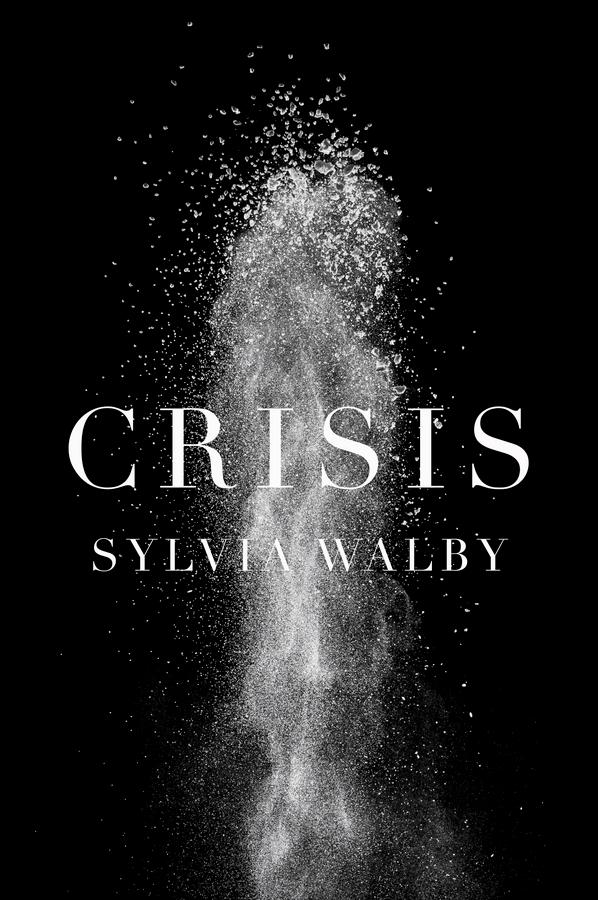
We are living in a time of crisis which has cascaded through society. Financial crisis has led to an economic crisis of recession and unemployment; an ensuing fiscal crisis over government deficits and austerity has led to a political crisis which threatens to become a democratic crisis. Borne unevenly, the effects of the crisis are exacerbating class and gender inequalities.
Rival interpretations – a focus on ‘austerity’ and reduction in welfare spending versus a focus on ‘financial crisis’ and democratic regulation of finance – are used to justify radically diverse policies for the distribution of resources and strategies for economic growth, and contested gender relations lie at the heart of these debates. The future consequences of the crisis depend upon whether there is a deepening of democratic institutions, including in the European Union.
Sylvia Walby offers an alternative framework within which to theorize crisis, drawing on complexity science and situating this within the wider field of study of risk, disaster and catastrophe. In doing so, she offers a critique and revision of the social science needed to understand the crisis.
Pay easily by card, Klarna, Apple Pay or Google Pay. Not happy? You always have a 14-day money-back guarantee. Read more in our terms. If you have any questions, email us at hello@memmo.org.
Memmo makes studying easier – wherever you are in the world. We bring your course books and smart study tools together in one place: summaries, quizzes, podcasts and flashcards. Plus Ted, your study buddy who answers anything you wonder. Over 50,000 students already study here – built to help you learn faster and stress less.