
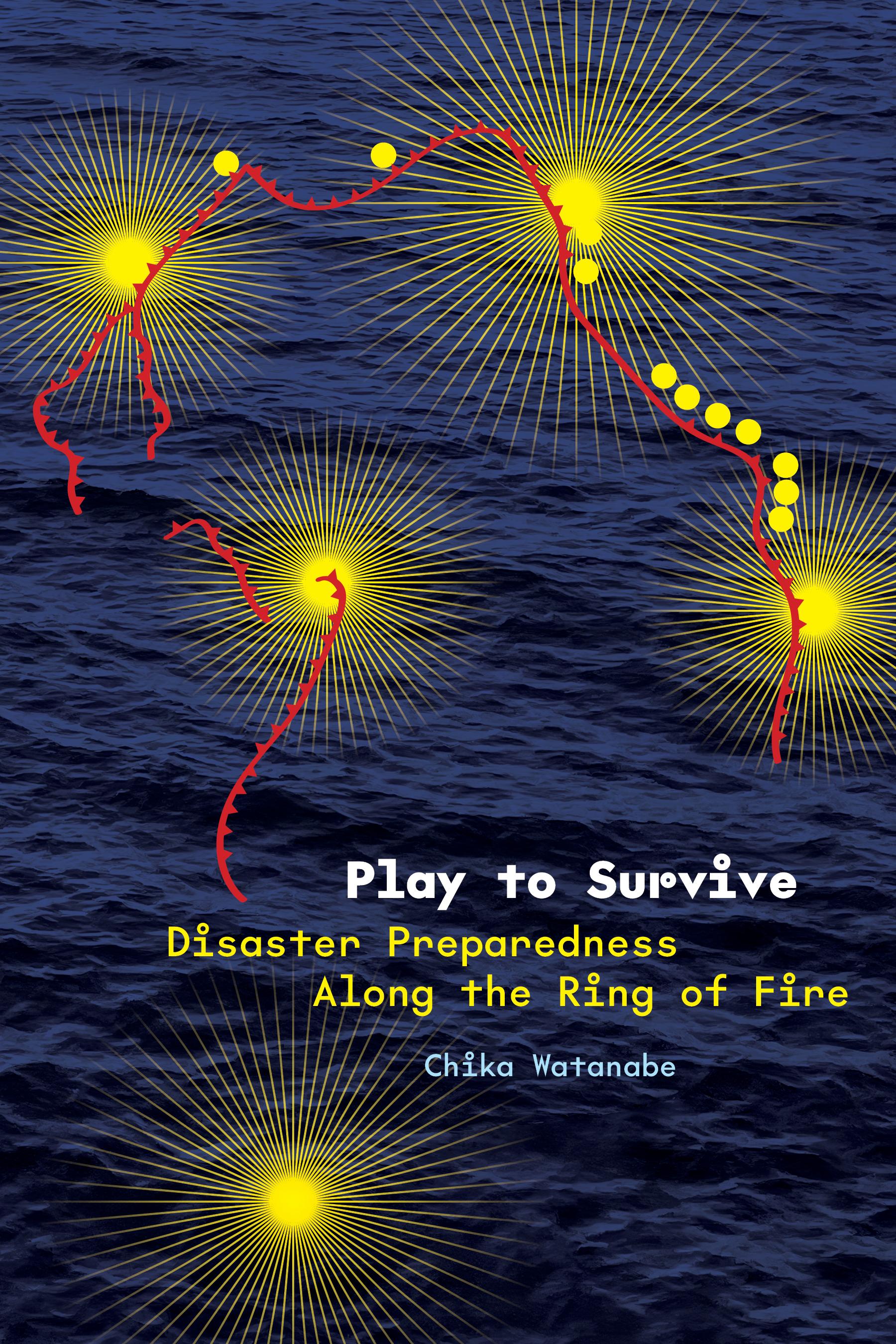
We live in a fragile world. This much is evident as stories abound of natural disasters that wipe out communities in an instant. How can we survive the future on such a planet, amid intensifying climate change? This question is particularly poignant along the Ring of Fire, a tectonic belt in the Pacific region that routinely faces some of the most devastating disasters in the world. Based on ethnographic research spanning seven years, Play to Survive examines the work of preparedness training in Japan and Chile, two primary nations along the Ring of Fire that experience frequent and intense disasters. Experts from these countries have often collaborated to create some of the most advanced disaster preparedness systems in the world. Chika Watanabe traces how local city officials, NGOs, and members of neighborhood and grassroots organizations are, counterintuitively, using fun, playful methods to teach preparation for our darkest hours.
While there are many important studies of post-disaster response, much less is written about the future-orientation of disaster preparedness. This book shows how a transnational group of preparedness experts orient people toward potential disasters in gentle and hopeful ways, focusing on improvisation and repair. In a time of political and environmental destabilization globally, this book offers a unique look at how playful preparedness can reset relationships to environments, to the future, and to each other.
Pay easily by card, Klarna, Apple Pay or Google Pay. Not happy? You always have a 14-day money-back guarantee. Read more in our terms. If you have any questions, email us at hello@memmo.org.
Memmo makes studying easier – wherever you are in the world. We bring your course books and smart study tools together in one place: summaries, quizzes, podcasts and flashcards. Plus Ted, your study buddy who answers anything you wonder. Over 50,000 students already study here – built to help you learn faster and stress less.