
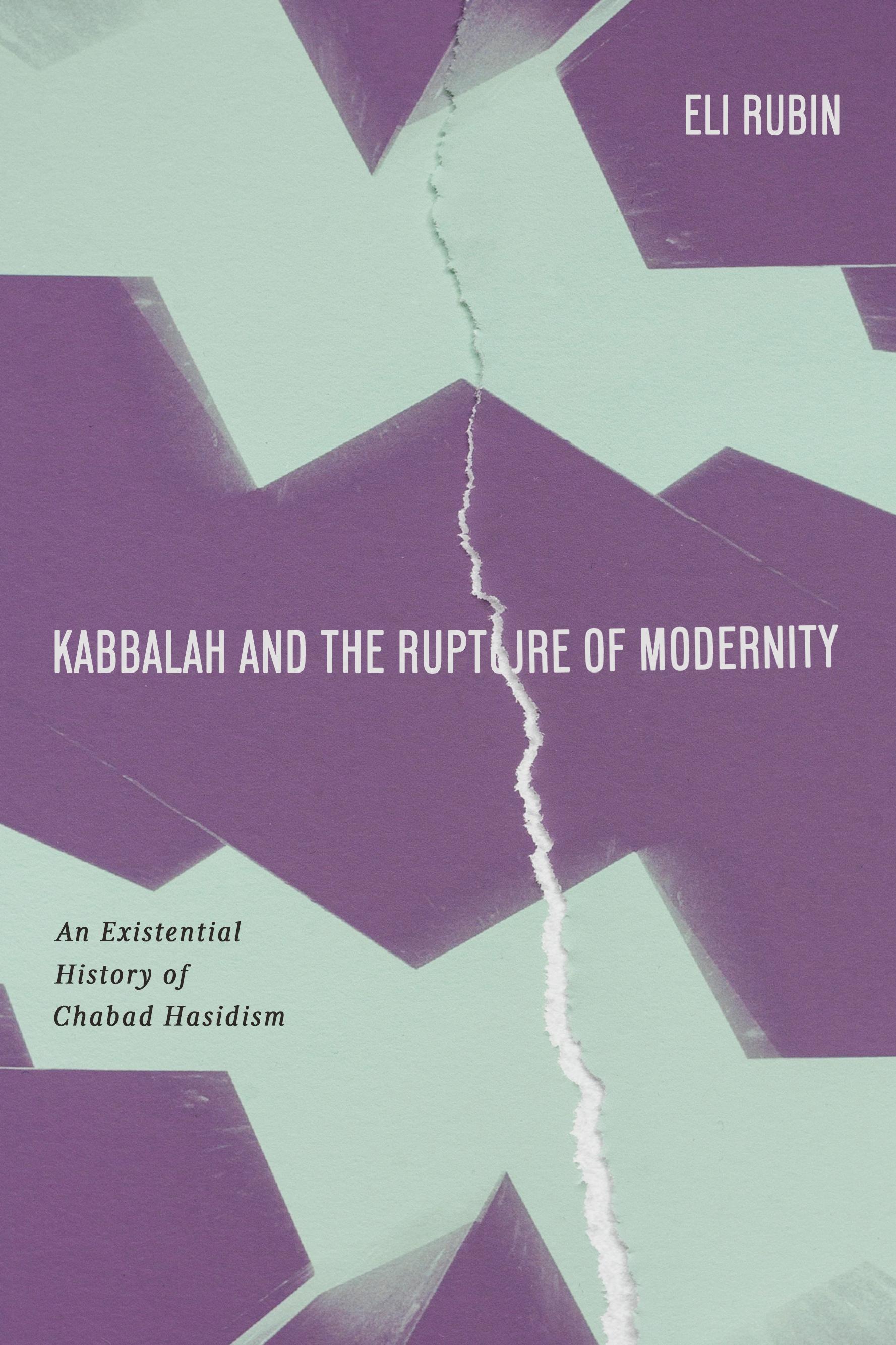
Kabbalah and the Rupture of Modernity provides a comprehensive intellectual and institutional history of Chabad Hasidism through the Kabbalistic concept of ṣimṣum. The onset of modernity, Eli Rubin argues, was heralded by this startling idea: existence itself is predicated on a self-inflicted "rupture" in the infinite assertion of divinity. Centuries of theoretical disputations concerning ṣimṣum ultimately morphed into religious and social schism. These debates confronted the meaning of being and forged the animating ethos of Chabad, the most dynamic movement in modern Judaism.
Chabad's distinctive character and self-image, Rubin shows, emerged from its spirited defense of Hasidism's interpretation of ṣimṣum as an act of love leading to rapturous reunion. This interpretation ignited a literal conflagration, complete with book burnings, denunciations, investigations, and arrests. Chabad's subsequent preoccupation with ṣimṣum was equally significant for questions of legitimacy, authority, and succession, as for existential questions of being and meaning.
Unfolding the story of Chabad from the early modern period to the twentieth century, this book provides fresh portraits of the successive leaders of the movement. Innovatively integrating history, philosophy, and literature, Rubin shows how Kabbalistic ideas are crucially entangled in the experience of modernity and in the response to its ruptures.
Pay easily by card, Klarna, Apple Pay or Google Pay. Not happy? You always have a 14-day money-back guarantee. Read more in our terms. If you have any questions, email us at hello@memmo.org.
Memmo makes studying easier – wherever you are in the world. We bring your course books and smart study tools together in one place: summaries, quizzes, podcasts and flashcards. Plus Ted, your study buddy who answers anything you wonder. Over 50,000 students already study here – built to help you learn faster and stress less.