
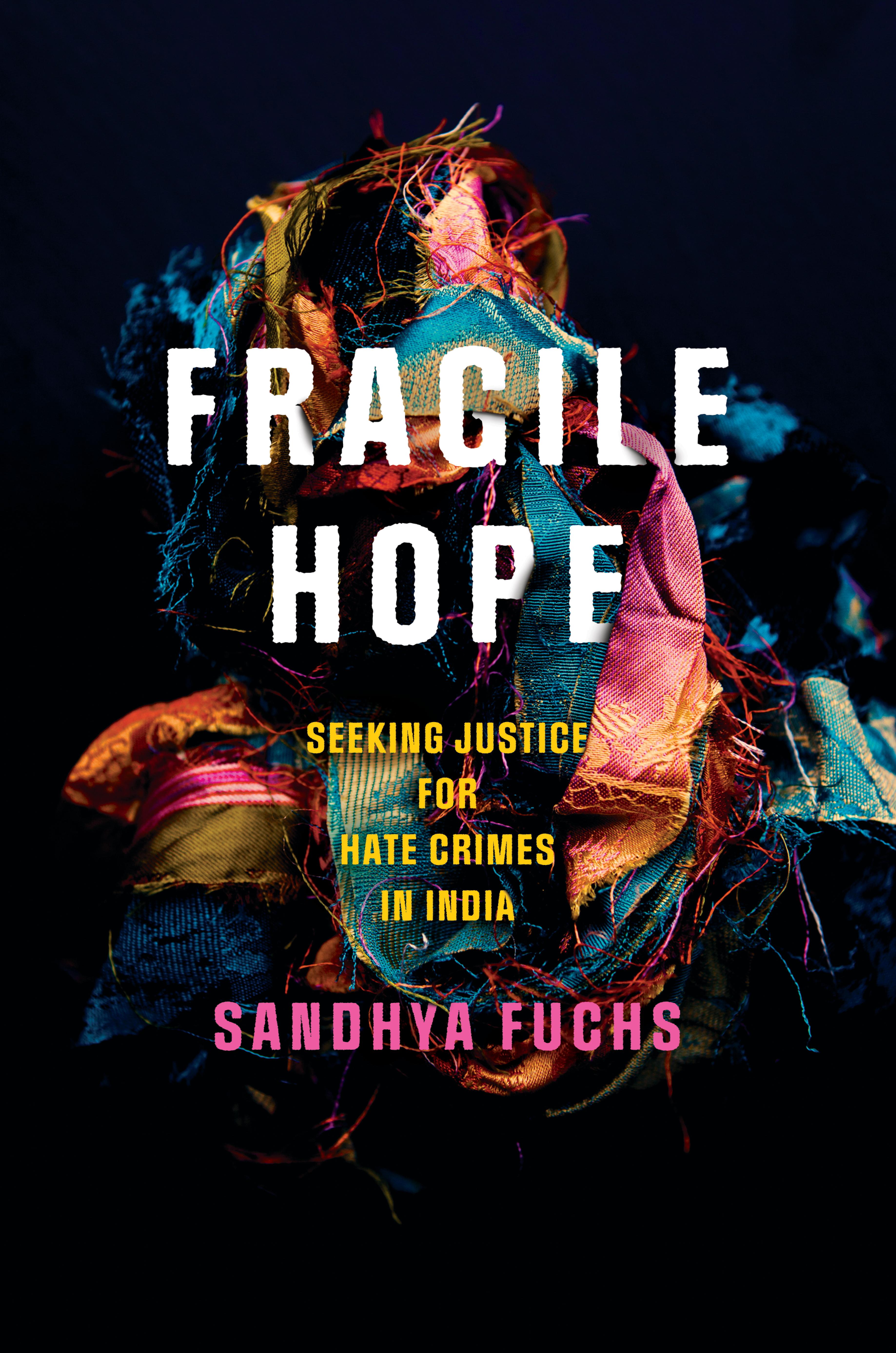
Against the backdrop of the global Black Lives Matter movement, debates around the social impact of hate crime legislation have come to the political fore. In 2019, the UN Commission on Crime Prevention and Criminal Justice urgently asked how legal systems can counter bias and discrimination. In India, a nation with vast socio-cultural diversity, and a complex colonial past, questions about the relationship between law and histories of oppression have become particularly pressing. Recently, India has seen a rise in violence against Dalits (ex-untouchables) and other minorities. Consequently, an emerging "Dalit Lives Matter" movement has campaigned for the effective implementation of India's only hate crime law: the 1989 Scheduled Castes/Scheduled Tribes Prevention of Atrocities Act (PoA).
Drawing on long-term fieldwork with Dalit survivors of caste atrocities, human rights NGOs, police, and judiciary, Sandhya Fuchs unveils how Dalit communities in the state of Rajasthan interpret and mobilize the PoA. Fuchs shows that the PoA has emerged as a project of legal meliorism: the idea that persistent and creative legal labor can gradually improve the oppressive conditions that characterize Dalit lives. Moving beyond statistics and judicial arguments, Fuchs uses the intimate lens of personal narratives to lay bare how legal processes converge and conflict with political and gendered concerns about justice for caste atrocities, creating new controversies, inequalities, and hopes.
Pay easily by card, Klarna, Apple Pay or Google Pay. Not happy? You always have a 14-day money-back guarantee. Read more in our terms. If you have any questions, email us at hello@memmo.org.
Memmo makes studying easier – wherever you are in the world. We bring your course books and smart study tools together in one place: summaries, quizzes, podcasts and flashcards. Plus Ted, your study buddy who answers anything you wonder. Over 50,000 students already study here – built to help you learn faster and stress less.