
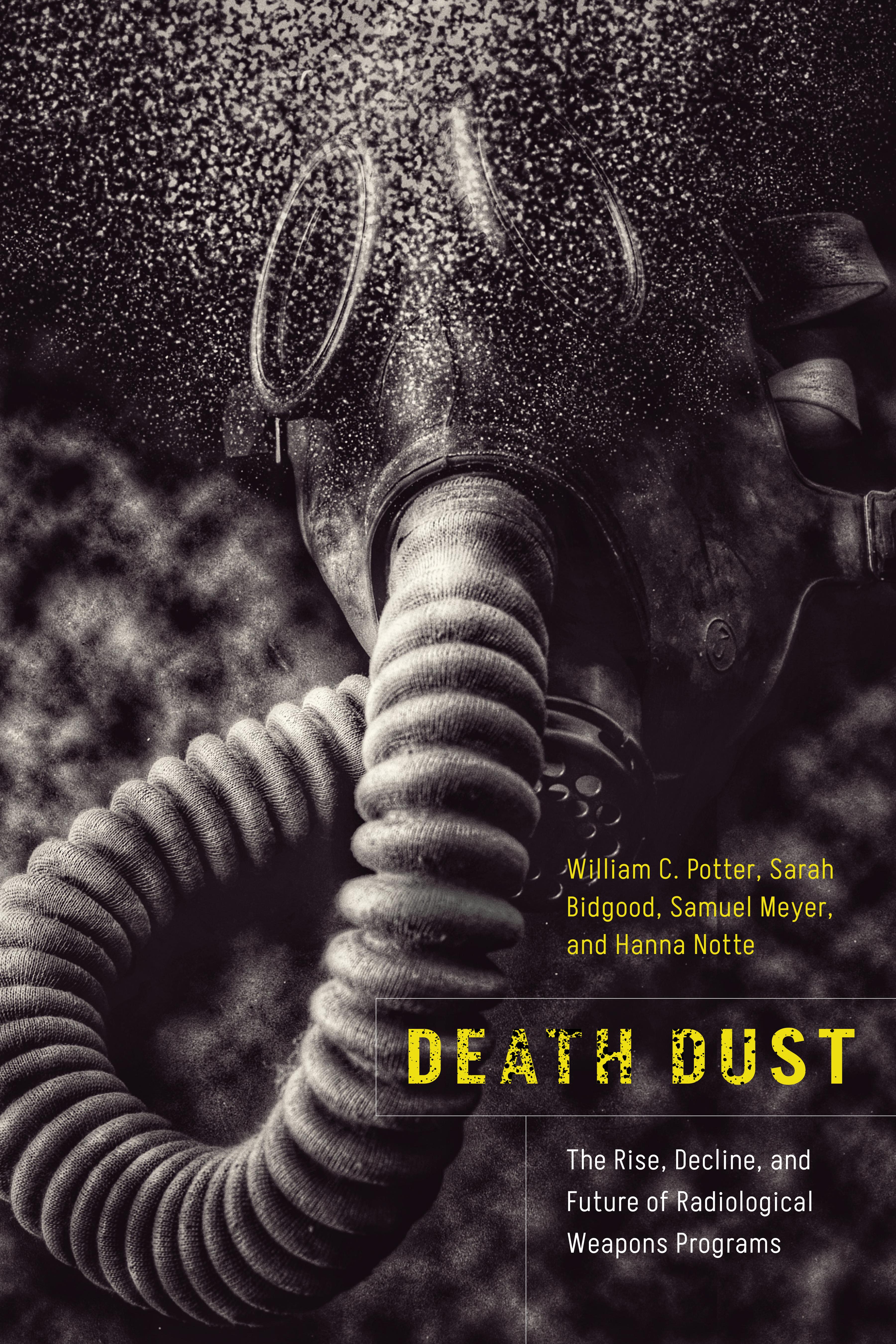
The postwar period saw increased interest in the idea of relatively easy-to-manufacture but devastatingly lethal radiological munitions whose use would not discriminate between civilian and military targets. Death Dust explores the largely unknown history of the development of radiological weapons (RW)—weapons designed to disperse radioactive material without a nuclear detonation—through a series of comparative case studies across the United States, the Soviet Union, the United Kingdom, Iraq, and Egypt. The authors illuminate the historical drivers of and impediments to radiological weapons innovation. They also examine how new, dire geopolitical events—such as the war in Ukraine—could encourage other states to pursue RW and analyze the impact of the spread of such weapons on nuclear deterrence and the nonproliferation regime. Death Dust presents practical, necessary steps to reduce the likelihood of a resurgence of interest in and pursuit of radiological weapons by state actors.
Pay easily by card, Klarna, Apple Pay or Google Pay. Not happy? You always have a 14-day money-back guarantee. Read more in our terms. If you have any questions, email us at hello@memmo.org.
Memmo makes studying easier – wherever you are in the world. We bring your course books and smart study tools together in one place: summaries, quizzes, podcasts and flashcards. Plus Ted, your study buddy who answers anything you wonder. Over 50,000 students already study here – built to help you learn faster and stress less.