
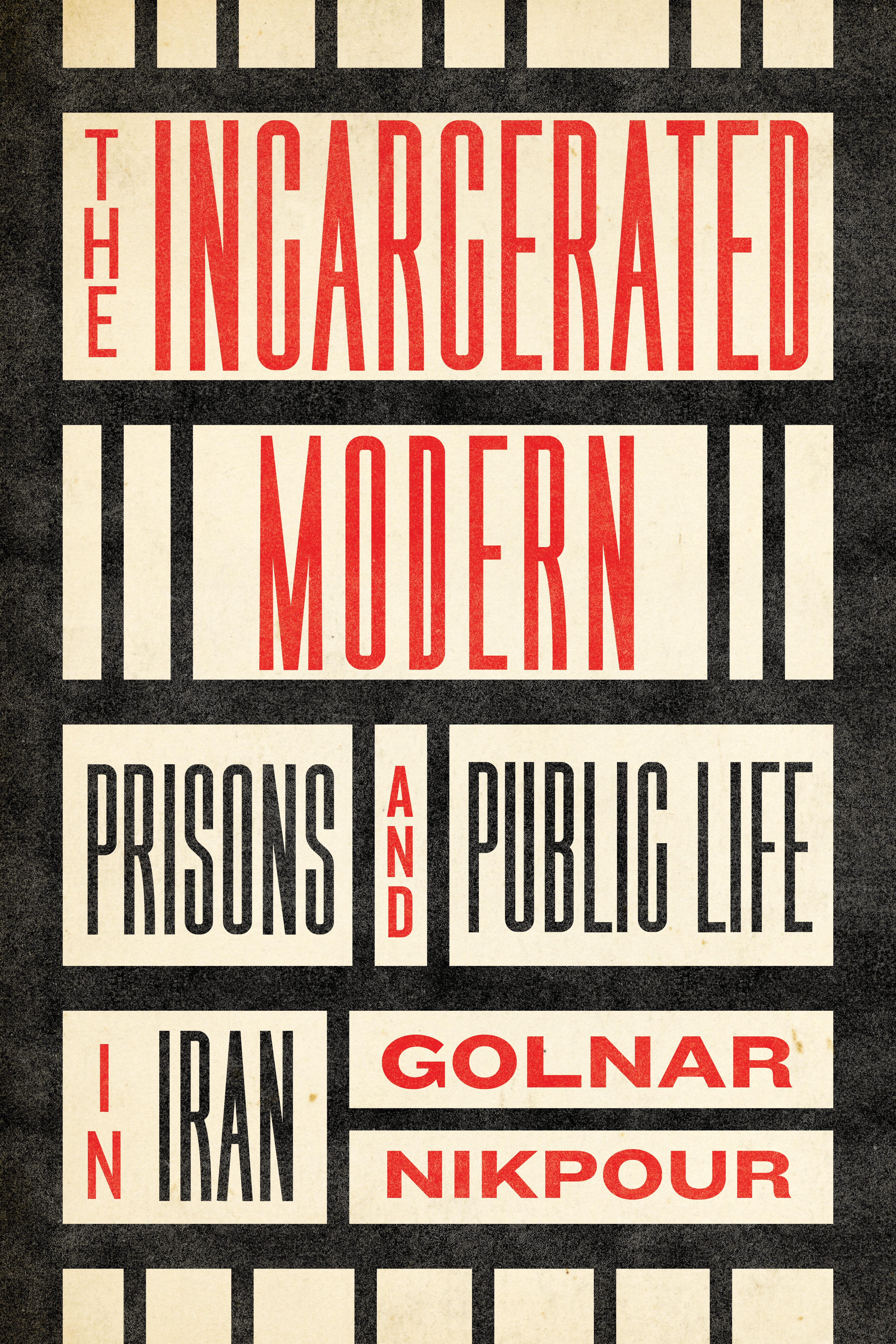
Iran's prison system is a foundational institution of Iranian political modernity. The Incarcerated Modern traces the transformation of Iran from a decentralized empire with few imprisoned persons at the turn of the twentieth century into a modern nation-state with over a quarter million prisoners today. In policing the line between "bad criminal" and "good citizen," the carceral system has shaped and reshaped Iranian understandings of citizenship, freedom, and political belonging.
Golnar Nikpour explores the interplay between the concrete space of the Iranian prison and the role of prisons in producing new public cultures and political languages in Iran. From prison writings of 1920s leftist prisoners and communiqués of 1950s militant Islamists, to paintings of 1970s revolutionary guerrillas and mapping projects organized by contemporary dissident prisoners, carceral confinement has shaped modern Iranian political movements. Today, mass incarceration is a global phenomenon. The Incarcerated Modern connects Iranian history to transnational carceral histories to illuminate the shared architectures, economies, and techniques of modern punishment.
Pay easily by card, Klarna, Apple Pay or Google Pay. Not happy? You always have a 14-day money-back guarantee. Read more in our terms. If you have any questions, email us at hello@memmo.org.
Memmo makes studying easier – wherever you are in the world. We bring your course books and smart study tools together in one place: summaries, quizzes, podcasts and flashcards. Plus Ted, your study buddy who answers anything you wonder. Over 50,000 students already study here – built to help you learn faster and stress less.