
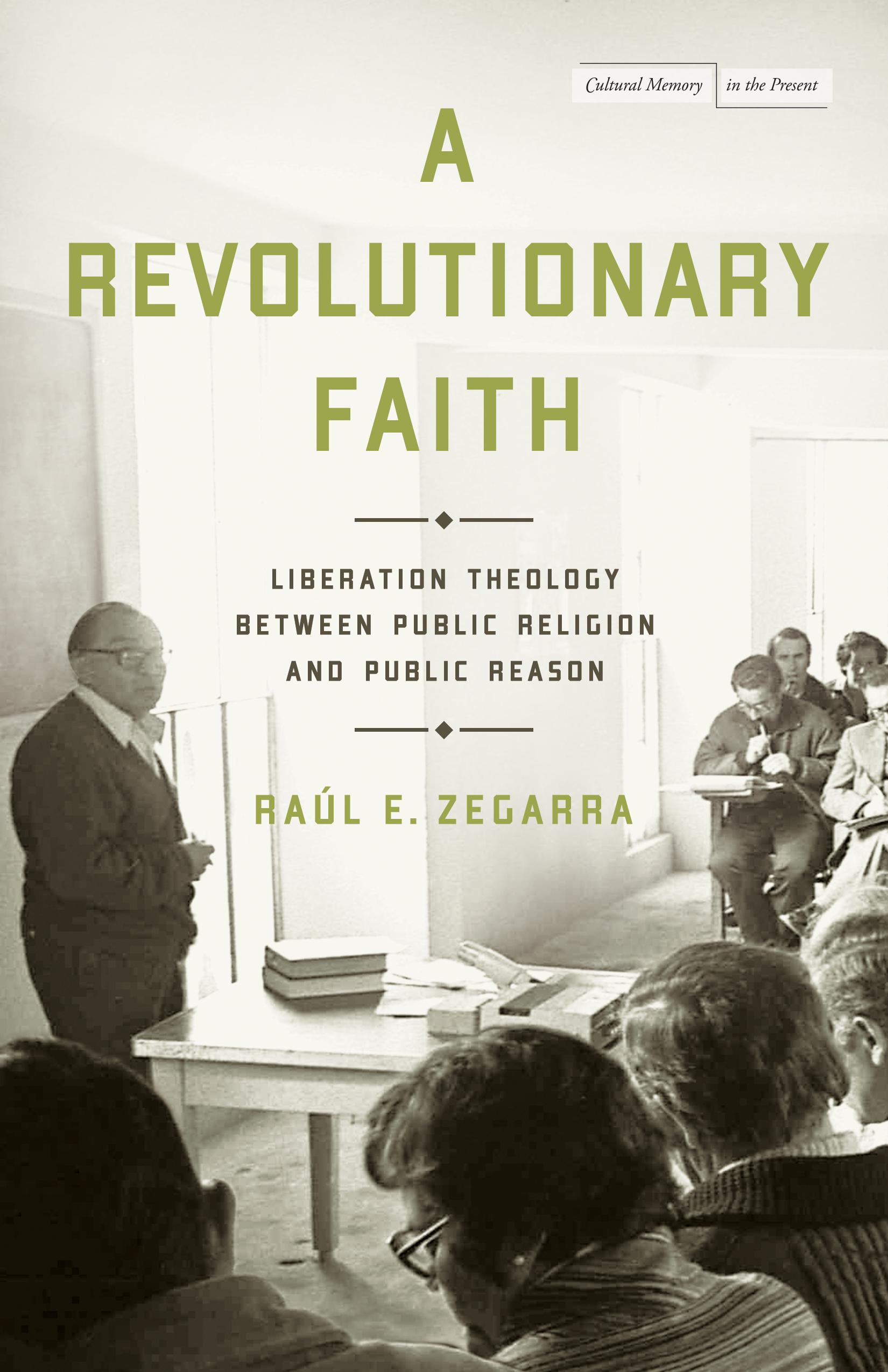
Religious commitments can be a powerful engine for progressive social change, and in this new book, Raúl E. Zegarra examines the process of articulation of religious beliefs and political concerns that takes place in religious organizing and activism. Focusing on the example of Latin American liberation theology and the work of Peruvian theologian Gustavo Gutiérrez, Zegarra shows how liberation theology advocates have been able to produce a new balance between faith and politics that advances an agenda of progressive social change without reducing politics to faith or faith to politics.
Drawing from theologian David Tracy's method of critical correlation, the book focuses on key historical, philosophical, and theological shifts that have allowed liberation theologians to produce a new interpretation of the relationship between faith and politics in the Christian tradition, especially when issues of social justice are at stake. The book further approaches liberation theology's contributions to theorizing social justice through an unconventional path: a critical dialogue with the work of philosopher John Rawls. This dialogue, as Zegarra contends, allows us to see more clearly the contributions of liberation theology to the cause of progressive social change. Ultimately the book stands between "public religion" and "public reason," offering something of a blueprint for theological innovation and for how to remain committed to one's faith while respecting and defending the core values of democracy.
Pay easily by card, Klarna, Apple Pay or Google Pay. Not happy? You always have a 14-day money-back guarantee. Read more in our terms. If you have any questions, email us at hello@memmo.org.
Memmo makes studying easier – wherever you are in the world. We bring your course books and smart study tools together in one place: summaries, quizzes, podcasts and flashcards. Plus Ted, your study buddy who answers anything you wonder. Over 50,000 students already study here – built to help you learn faster and stress less.