
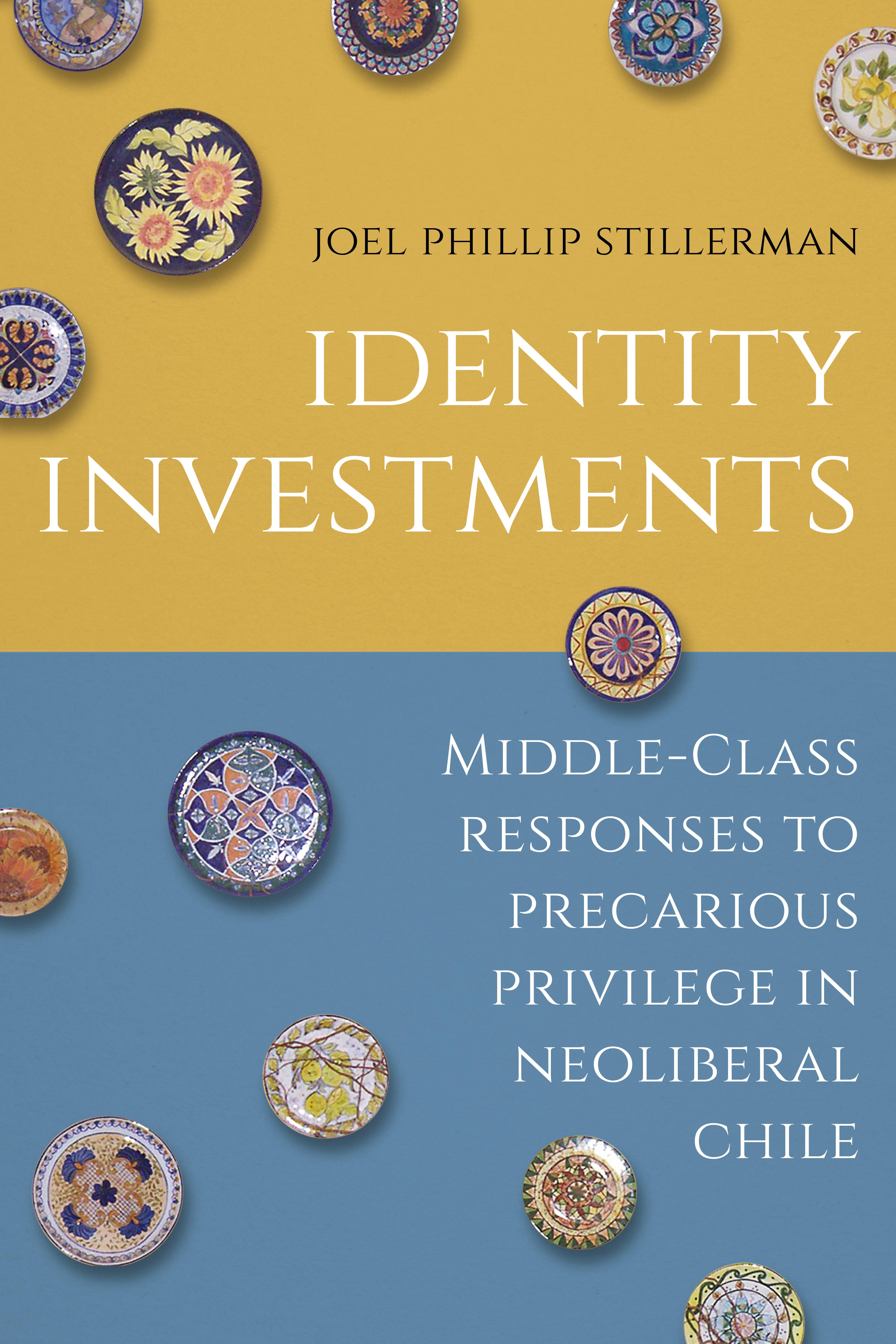
After Pinochet's dictatorship ended in Chile in 1990, the country experienced a rapid decline in poverty along with a quickly growing economy. As a result, Chile's middle class expanded dramatically, echoing trends seen across the Global South as neoliberalism took firm hold in the 1990s and the early 2000s. Identity Investments examines the politics and consumption practices of this vast and varied fraction of the Chilean population, seeking to better understand their value systems and the histories that informed them.
Using participant observation, interviews, and photographs, Joel Stillerman develops a unique typology of the middle class, made up of activists, moderate Catholics, pragmatists, and youngsters. This typology allows him to unearth the cultural, political, and religious roots of middle-class market practices in contrast with other studies focused on social mobility and exclusionary practices. The resultant contrast in backgrounds, experiences, and perspectives of these four groups animates this book and extends an emerging body of scholarship focused on the connections between middle-class market choices and politics in the Global South, with important implications for Chile's recent explosive political changes.
Pay easily by card, Klarna, Apple Pay or Google Pay. Not happy? You always have a 14-day money-back guarantee. Read more in our terms. If you have any questions, email us at hello@memmo.org.
Memmo makes studying easier – wherever you are in the world. We bring your course books and smart study tools together in one place: summaries, quizzes, podcasts and flashcards. Plus Ted, your study buddy who answers anything you wonder. Over 50,000 students already study here – built to help you learn faster and stress less.