
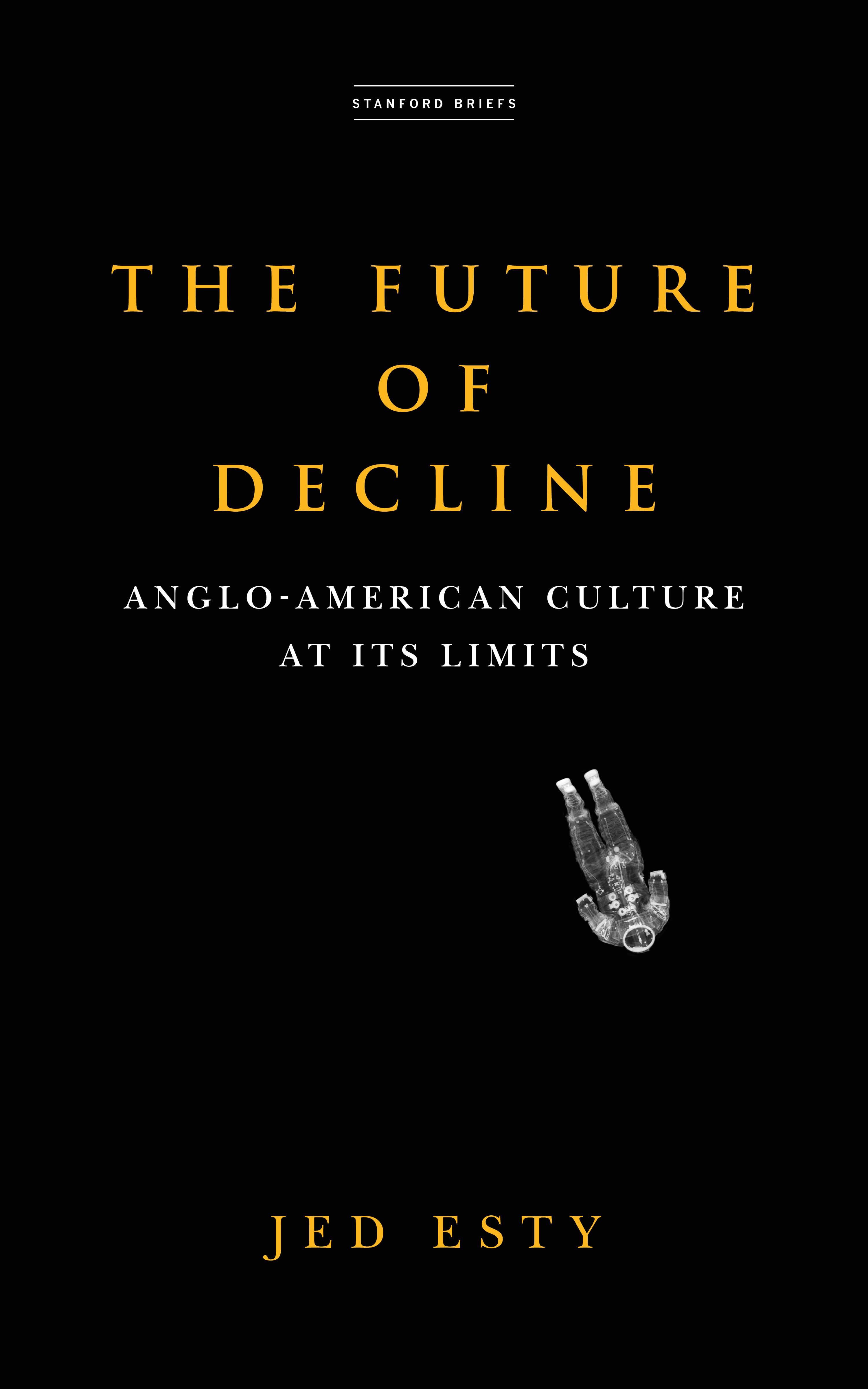
As the US becomes a second-place nation, can it shed the superpower nostalgia that still haunts the UK?
The debate over the US's fading hegemony has raged and sputtered for 50 years, glutting the market with prophecies about American decline. Media experts ask how fast we will fall and how much we will lose, but generally ignore the fundamental question: What does decline mean? What is the significance, in experiential and everyday terms, in feelings and fantasies, of living in a country past its prime?
Drawing on the example of post-WWII Britain and looking ahead at 2020s America, Jed Esty suggests that becoming a second-place nation is neither disastrous, as alarmists claim, nor avoidable, as optimists insist. Contemporary declinism often masks white nostalgia and perpetuates a conservative longing for Cold War certainty. But the narcissistic lure of "lost greatness" appeals across the political spectrum. As Esty argues, it resonates so widely in mainstream media because Americans have lost access to a language of national purpose beyond global supremacy. It is time to shelve the shopworn fables of endless US dominance, to face the multipolar world of the future, and to tell new American stories. The Future of Decline is a guide to finding them.
Pay easily by card, Klarna, Apple Pay or Google Pay. Not happy? You always have a 14-day money-back guarantee. Read more in our terms. If you have any questions, email us at hello@memmo.org.
Memmo makes studying easier – wherever you are in the world. We bring your course books and smart study tools together in one place: summaries, quizzes, podcasts and flashcards. Plus Ted, your study buddy who answers anything you wonder. Over 50,000 students already study here – built to help you learn faster and stress less.