
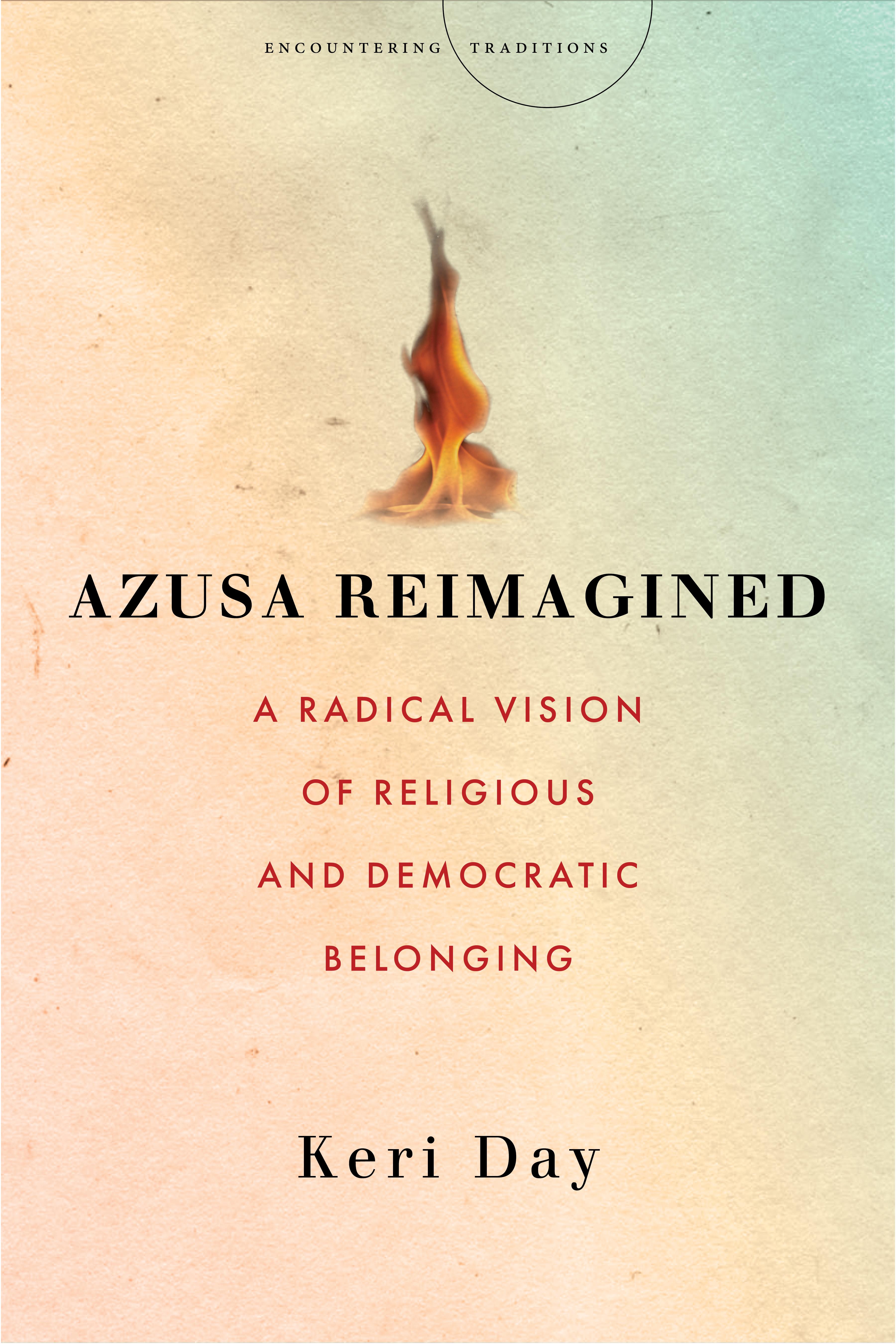
In Azusa Reimagined, Keri Day explores how the Azusa Street Revival of 1906, out of which U.S. Pentecostalism emerged, directly critiqued America's distorted capitalist values and practices at the start of the twentieth century. Employing historical research, theological analysis, and critical theory, Day demonstrates that Azusa's religious rituals and traditions rejected the racial norms and profit-driven practices that many white Christian communities gladly embraced.
Through its sermons and social practices, the Azusa community critiqued racialized conceptions of citizenship that guided early capitalist endeavors such as world fairs and expositions. Azusa also envisioned deeper democratic practices of human belonging and care than the white nationalist loyalties early U.S. capitalism encouraged. In this lucid work, Day makes Azusa's challenge to this warped economic ecology visible, showing how Azusa not only offered a radical critique of racial capitalism but also offers a way for contemporary religious communities to cultivate democratic practices of belonging against the backdrop of late capitalism's deep racial divisions and material inequalities.
Pay easily by card, Klarna, Apple Pay or Google Pay. Not happy? You always have a 14-day money-back guarantee. Read more in our terms. If you have any questions, email us at hello@memmo.org.
Memmo makes studying easier – wherever you are in the world. We bring your course books and smart study tools together in one place: summaries, quizzes, podcasts and flashcards. Plus Ted, your study buddy who answers anything you wonder. Over 50,000 students already study here – built to help you learn faster and stress less.