
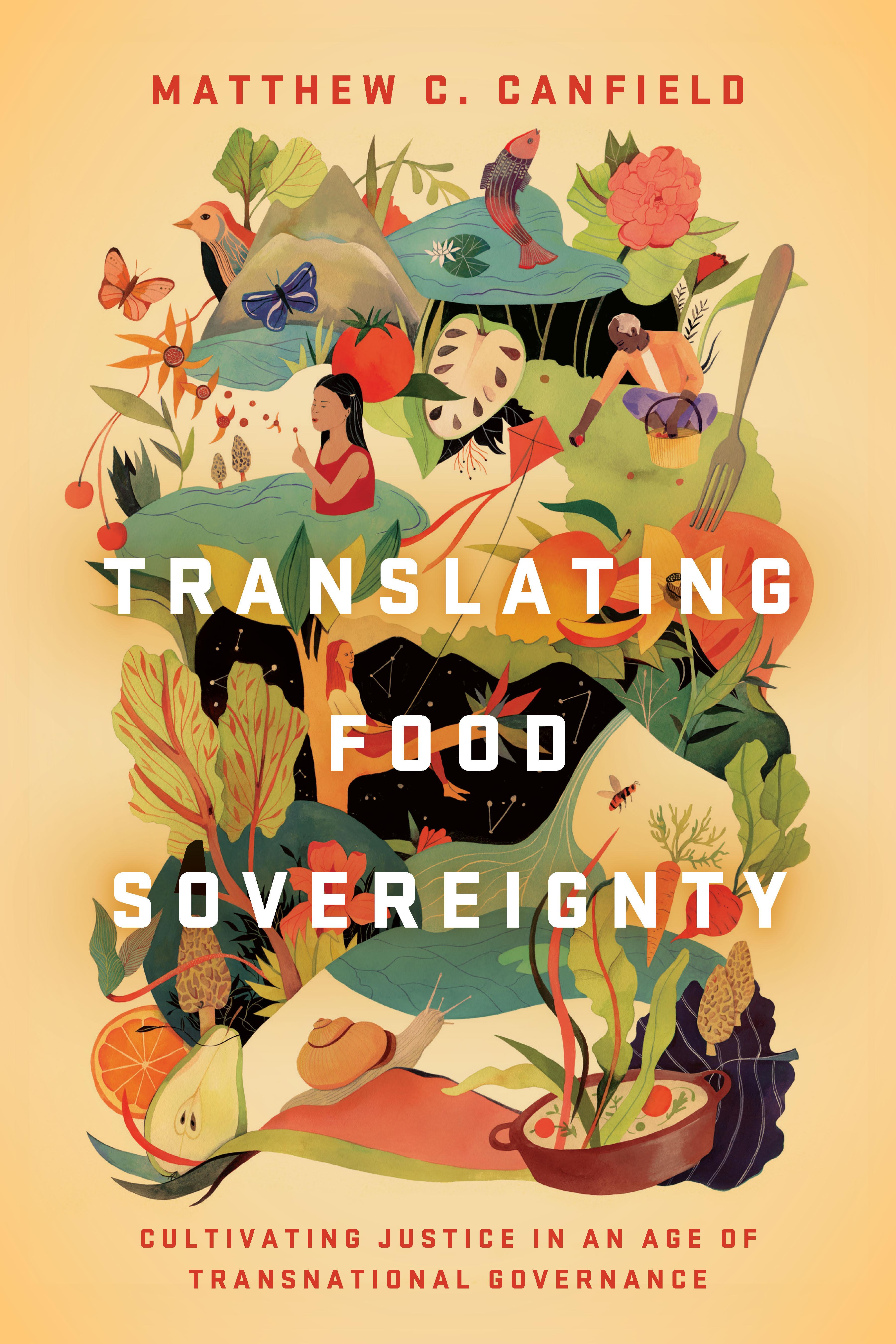
In its current state, the global food system is socially and ecologically unsustainable: nearly two billion people are food insecure, and food systems are the number one contributor to climate change. While agro-industrial production is promoted as the solution to these problems, growing global "food sovereignty" movements are challenging this model by demanding local and democratic control over food systems. Translating Food Sovereignty accompanies activists based in the Pacific Northwest of the United States as they mobilize the claim of food sovereignty across local, regional, and global arenas of governance. In contrast to social movements that frame their claims through the language of human rights, food sovereignty activists are one of the first to have articulated themselves in relation to the neoliberal transnational order of networked governance. While this global regulatory framework emerged to deepen market logics, Matthew C. Canfield reveals how activists are leveraging this order to make more expansive social justice claims. This nuanced, deeply engaged ethnography illustrates how food sovereignty activists are cultivating new forms of transnational governance from the ground up.
Pay easily by card, Klarna, Apple Pay or Google Pay. Not happy? You always have a 14-day money-back guarantee. Read more in our terms. If you have any questions, email us at hello@memmo.org.
Memmo makes studying easier – wherever you are in the world. We bring your course books and smart study tools together in one place: summaries, quizzes, podcasts and flashcards. Plus Ted, your study buddy who answers anything you wonder. Over 50,000 students already study here – built to help you learn faster and stress less.