
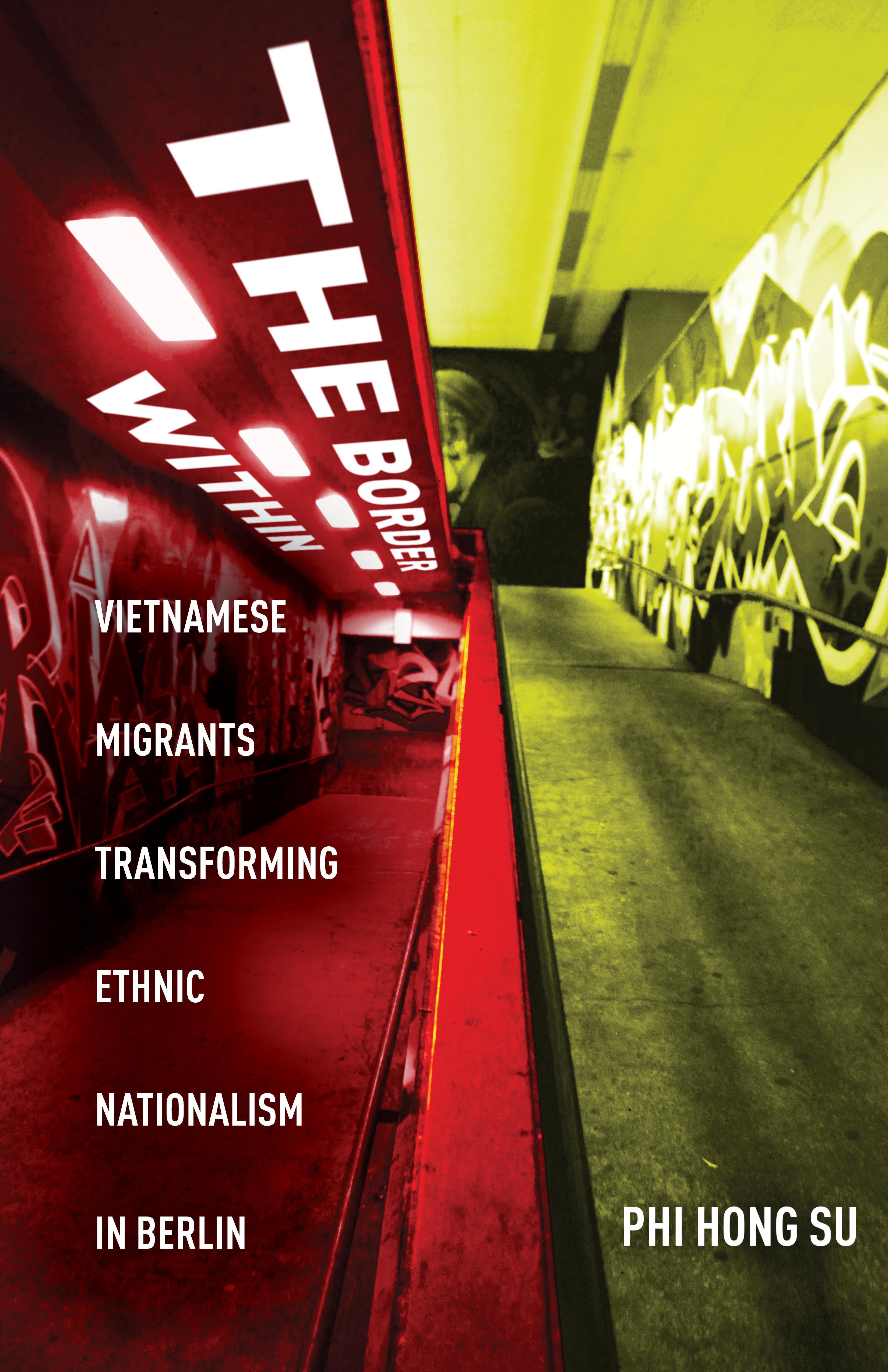
When the Berlin Wall fell, Germany united in a wave of euphoria and solidarity. Also caught in the current were Vietnamese border crossers who had left their homeland after its reunification in 1975. Unwilling to live under socialism, one group resettled in West Berlin as refugees. In the name of socialist solidarity, a second group arrived in East Berlin as contract workers. The Border Within paints a vivid portrait of these disparate Vietnamese migrants' encounters with each other in the post-socialist city of Berlin. Journalists, scholars, and Vietnamese border crossers themselves consider these groups that left their homes under vastly different conditions to be one people, linked by an unquestionable ethnic nationhood. Phi Hong Su's rigorous ethnography unpacks this intuition. In absorbing prose, Su reveals how these Cold War compatriots enact palpable social boundaries in everyday life. This book uncovers how 20th-century state formation and international migration—together, border crossings—generate enduring migrant classifications. In doing so, border crossings fracture shared ethnic, national, and religious identities in enduring ways.
Pay easily by card, Klarna, Apple Pay or Google Pay. Not happy? You always have a 14-day money-back guarantee. Read more in our terms. If you have any questions, email us at hello@memmo.org.
Memmo makes studying easier – wherever you are in the world. We bring your course books and smart study tools together in one place: summaries, quizzes, podcasts and flashcards. Plus Ted, your study buddy who answers anything you wonder. Over 50,000 students already study here – built to help you learn faster and stress less.