
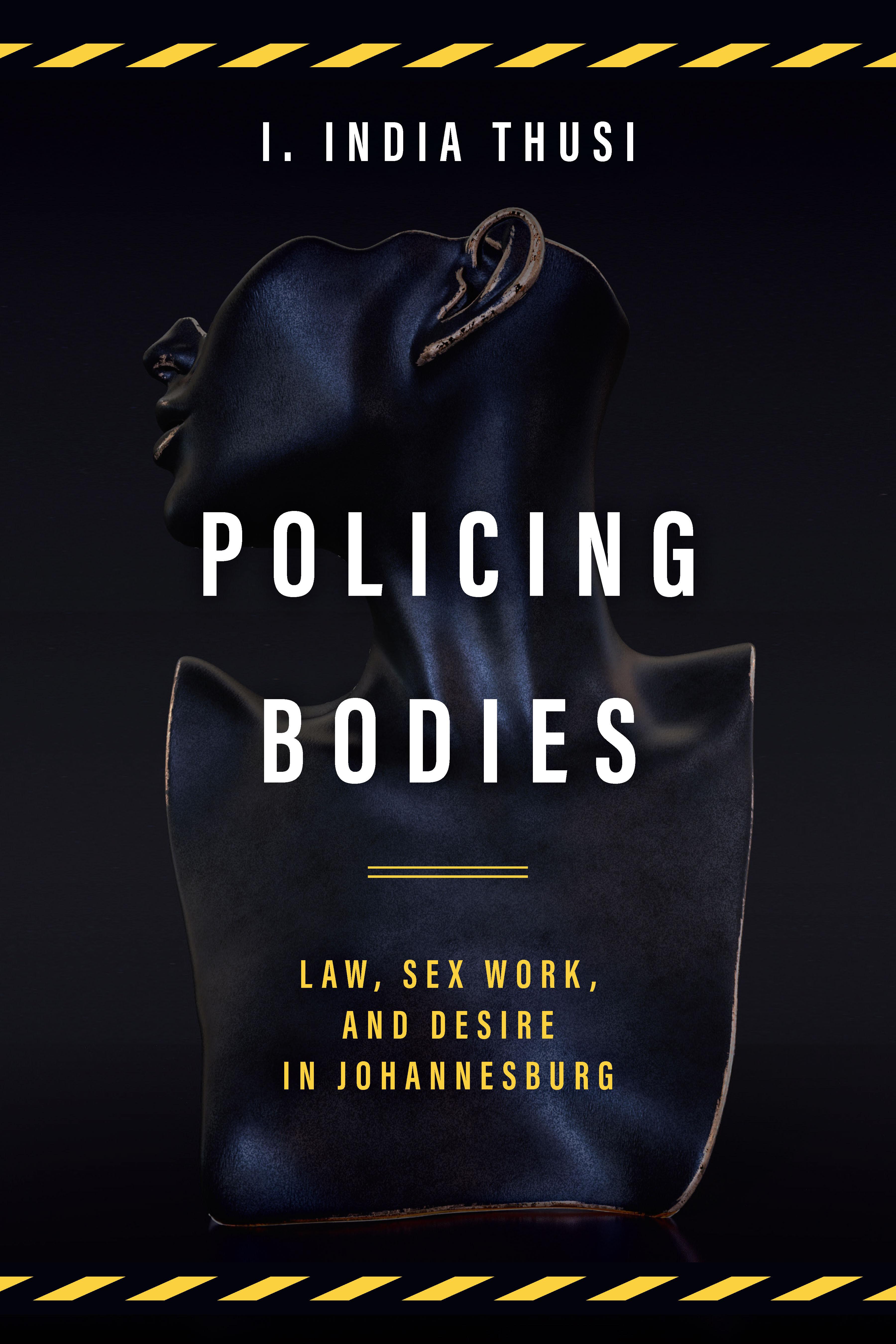
Sex work occupies a legally gray space in Johannesburg, South Africa, and police attitudes towards it are inconsistent and largely unregulated. As I. India Thusi argues in Policing Bodies, this results in both room for negotiation that can benefit sex workers and also extreme precarity in which the security police officers provide can be offered and taken away at a moment's notice. Sex work straddles the line between formal and informal. Attitudes about beauty and subjective value are manifest in formal tasks, including police activities, which are often conducted in a seemingly ad hoc manner. However, high-level organizational directives intended to regulate police obligations and duties toward sex workers also influence police action and tilt the exercise of discretion to the formal. In this liminal space, this book considers how sex work is policed and how it should be policed. Challenging discourses about sexuality and gender that inform its regulation, Thusi exposes the limitations of dominant feminist arguments regarding the legal treatment of sex work. This in-depth, historically informed ethnography illustrates the tension between enforcing a country's laws and protecting citizens' human rights.
Pay easily by card, Klarna, Apple Pay or Google Pay. Not happy? You always have a 14-day money-back guarantee. Read more in our terms. If you have any questions, email us at hello@memmo.org.
Memmo makes studying easier – wherever you are in the world. We bring your course books and smart study tools together in one place: summaries, quizzes, podcasts and flashcards. Plus Ted, your study buddy who answers anything you wonder. Over 50,000 students already study here – built to help you learn faster and stress less.