
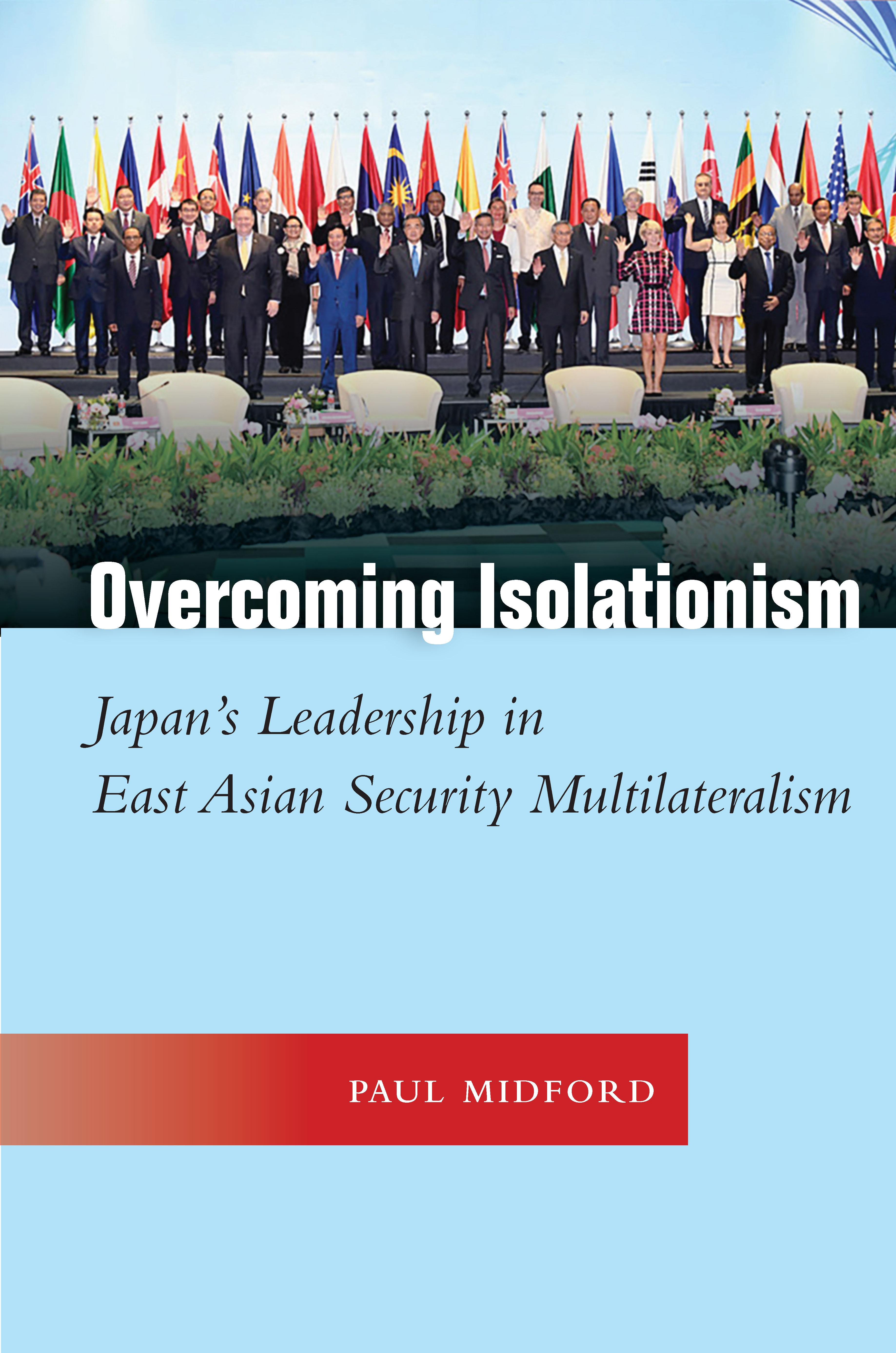
This book asks why, in the wake of the Cold War, Japan suddenly reversed years of steadfast opposition to security cooperation with its neighbors. Long isolated and opposed to multilateral agreements, Japan proposed East Asia's first multilateral security forum in the early 1990s, emerging as a regional leader. Overcoming Isolationism explores what led to this surprising about-face and offers a corrective to the misperception that Japan's security strategy is reactive to US pressure and unresponsive to its neighbors. Paul Midford draws on newly released official documents and extensive interviews to reveal a quarter century of Japanese leadership in promoting regional security cooperation. He demonstrates that Japan has a much more nuanced relationship with its neighbors and has played a more significant leadership role in shaping East Asian security than has previously been recognized.
Pay easily by card, Klarna, Apple Pay or Google Pay. Not happy? You always have a 14-day money-back guarantee. Read more in our terms. If you have any questions, email us at hello@memmo.org.
Memmo makes studying easier – wherever you are in the world. We bring your course books and smart study tools together in one place: summaries, quizzes, podcasts and flashcards. Plus Ted, your study buddy who answers anything you wonder. Over 50,000 students already study here – built to help you learn faster and stress less.