
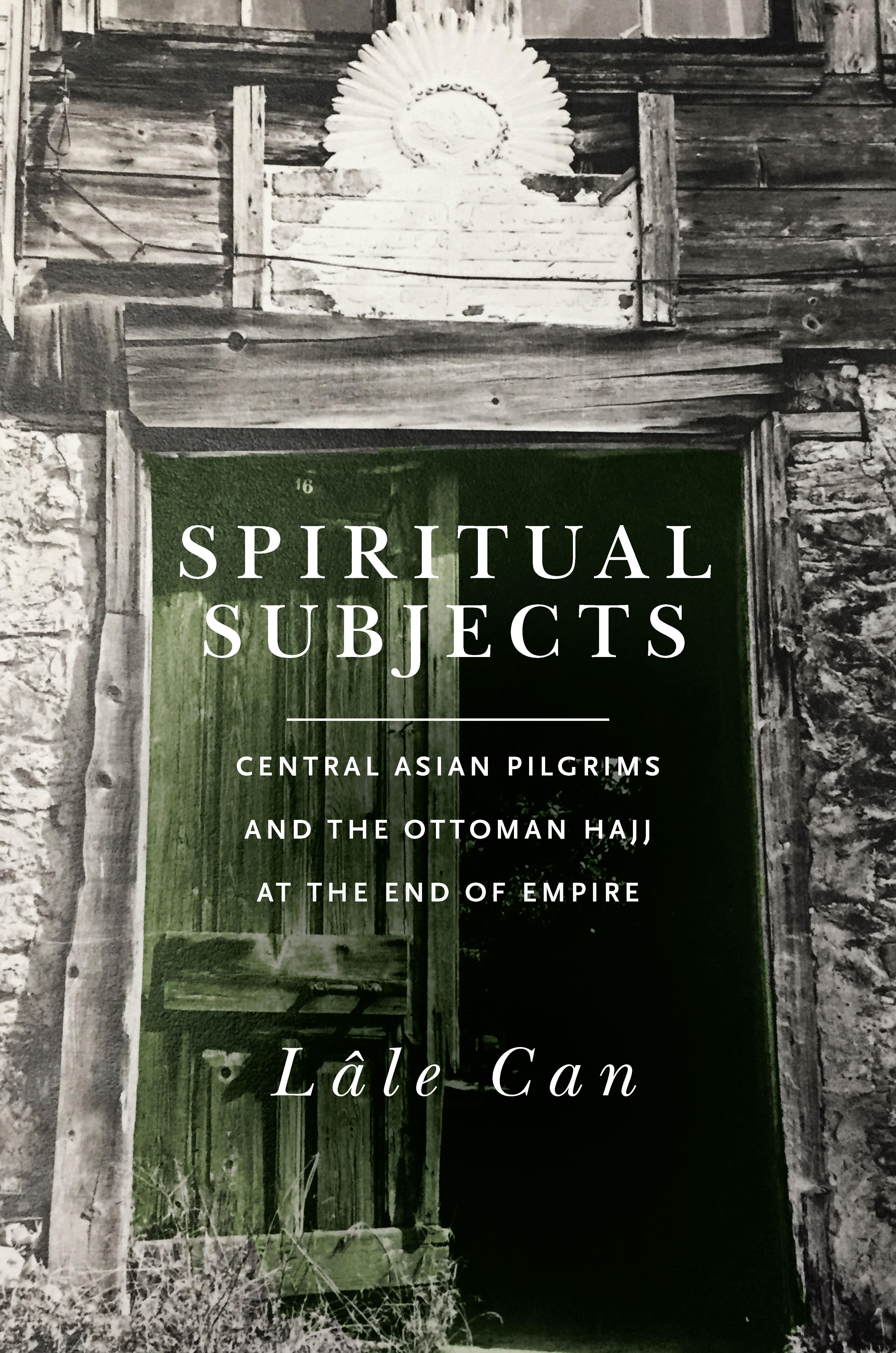
At the turn of the twentieth century, thousands of Central Asians made the annual pilgrimage to Mecca. Traveling long distances, many lived for extended periods in Ottoman cities dotting the routes. Though technically foreigners, these Muslim colonial subjects often blurred the lines between pilgrims and migrants. Not quite Ottoman, and not quite foreign, Central Asians became the sultan's spiritual subjects. Their status was continually negotiated by Ottoman statesmen as attempts to exclude foreign Muslim nationals from the body politic were compromised by a changing international legal order and the caliphate's ecumenical claims.
Spiritual Subjects examines the paradoxes of nationality reform and pan-Islamic politics in late Ottoman history. Lâle Can unravels how imperial belonging was wrapped up in deeply symbolic instantiations of religion, as well as prosaic acts and experiences that paved the way to integration into Ottoman communities. A complex system of belonging emerged—one where it was possible for a Muslim to be both, by law, a foreigner and a subject of the Ottoman sultan-caliph. This panoramic story informs broader transregional and global developments, with important implications for how we make sense of subjecthood in the last Muslim empire and the legacy of religion in the Turkish Republic.
Pay easily by card, Klarna, Apple Pay or Google Pay. Not happy? You always have a 14-day money-back guarantee. Read more in our terms. If you have any questions, email us at hello@memmo.org.
Memmo makes studying easier – wherever you are in the world. We bring your course books and smart study tools together in one place: summaries, quizzes, podcasts and flashcards. Plus Ted, your study buddy who answers anything you wonder. Over 50,000 students already study here – built to help you learn faster and stress less.