
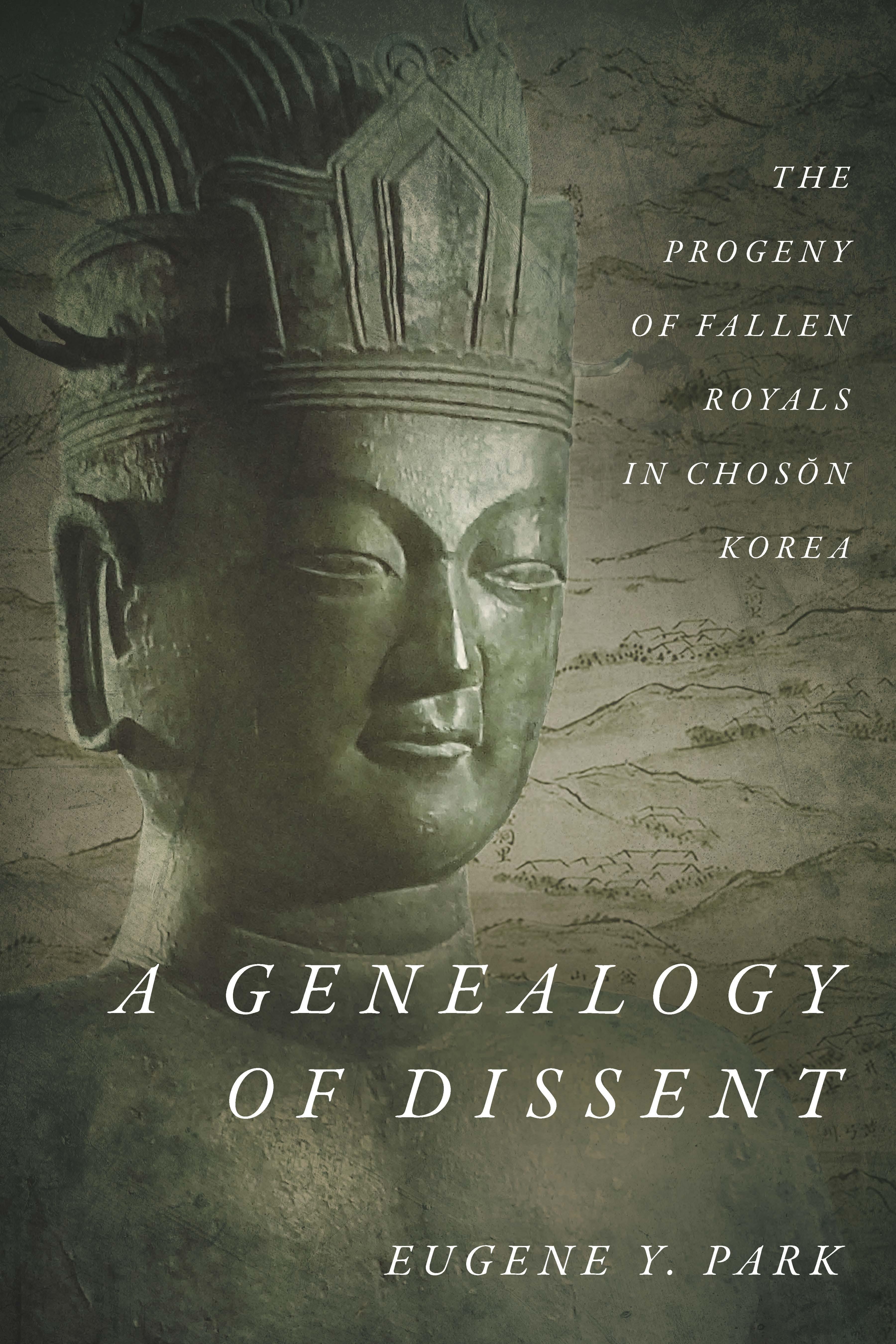
In early modern Korea, the Chosŏn state conducted an extermination campaign against the Kaesŏng Wang, descendants of the preceding Koryŏ dynasty. It was so thorough that most of today's descendants are related to a single survivor. Before long, however, the Chosŏn dynasty sought to bolster its legitimacy as the successor of Koryŏ by rehabilitating the surviving Wangs—granting them patronage for performing ancestral rites and even allowing them to attain prestigious offices. As a result, Koryŏ descendants came to constitute elite lineages throughout Korea. As members of the revived aristocratic descent group, they were committed to Confucian norms of loyalty to their ruler. The Chosŏn, in turn, increasingly honored Koryŏ legacies. As the state began to tolerate critical historical narratives, the early plight of the Wangs inspired popular accounts that engendered sympathy. Modern forces of imperialism, colonialism, nationalism, urbanization, industrialization, and immigration transformed the Kaesŏng Wang from the progeny of fallen royals to individuals from all walks of life. Eugene Y. Park draws on primary and secondary sources, interviews, and site visits to tell their extraordinary story. In so doing, he traces Korea's changing politics, society, and culture for more than half a millennium.
Pay easily by card, Klarna, Apple Pay or Google Pay. Not happy? You always have a 14-day money-back guarantee. Read more in our terms. If you have any questions, email us at hello@memmo.org.
Memmo makes studying easier – wherever you are in the world. We bring your course books and smart study tools together in one place: summaries, quizzes, podcasts and flashcards. Plus Ted, your study buddy who answers anything you wonder. Over 50,000 students already study here – built to help you learn faster and stress less.