
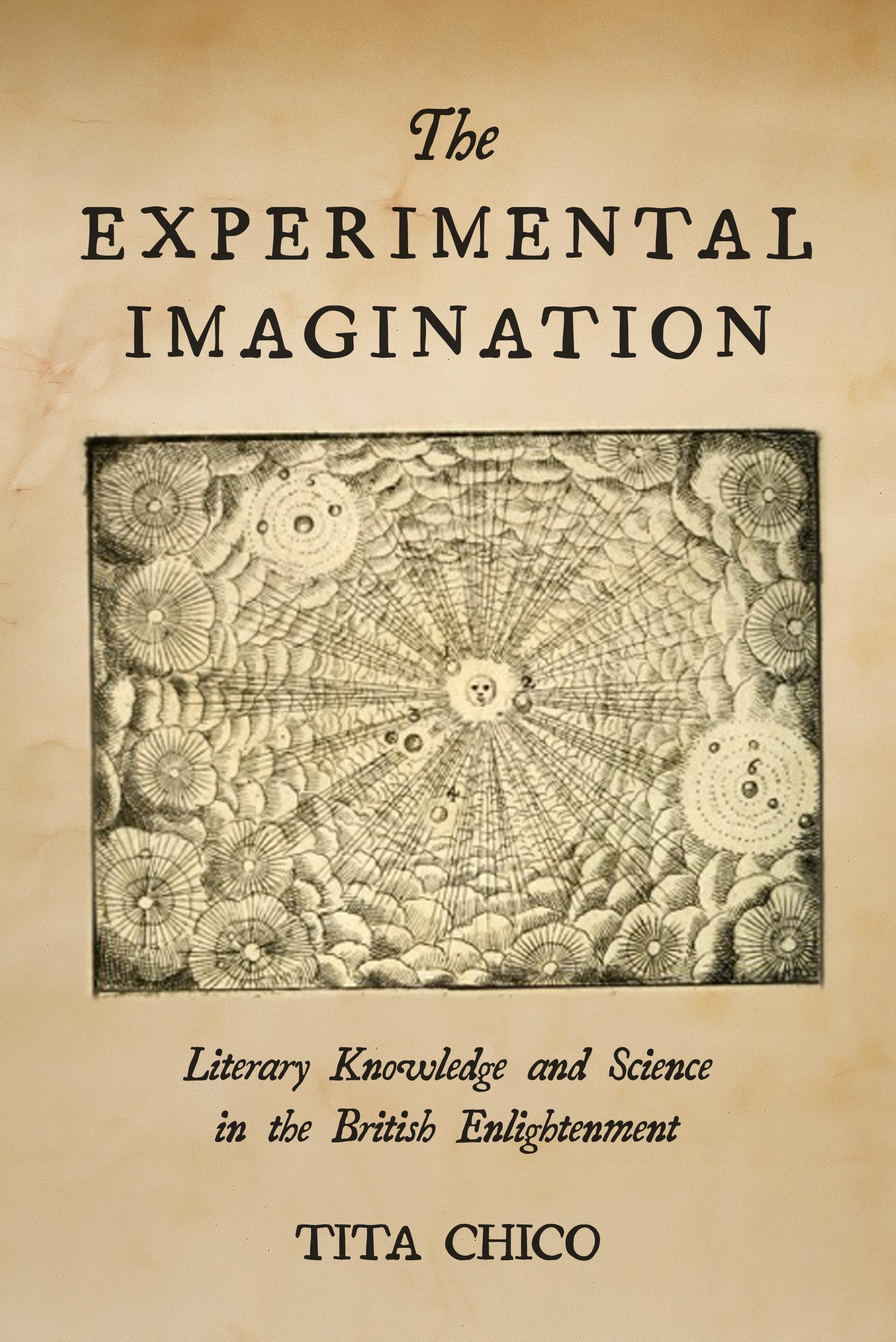
Challenging the "two cultures" debate, The Experimental Imagination tells the story of how literariness came to be distinguished from its epistemological sibling, science, as a source of truth about the natural and social worlds in the British Enlightenment. Tita Chico shows that early science relied on what she calls literary knowledge to present its experimental findings. More radically, she contends that science was made intellectually possible because its main discoveries and technologies could be articulated in literary terms. While early scientists deployed metaphor to describe the phenomena they defined and imagination to cast themselves as experimentalists, literary writers used scientific metaphors to make the case for the epistemological superiority of literary knowledge. Drawing on literature as well as literary language, tropes, and interpretive methods, literary knowledge challenges our dominant narrative of the scientific revolution as the sine qua non of epistemological innovation in the British Enlightenment. With its recourse to imagination as a more reliable source of truth than any empirical account, literary knowledge facilitates a redefinition of authority and evidence, as well as of the self and society, implicitly articulating the difference that would come to distinguish the arts and sciences.
Pay easily by card, Klarna, Apple Pay or Google Pay. Not happy? You always have a 14-day money-back guarantee. Read more in our terms. If you have any questions, email us at hello@memmo.org.
Memmo makes studying easier – wherever you are in the world. We bring your course books and smart study tools together in one place: summaries, quizzes, podcasts and flashcards. Plus Ted, your study buddy who answers anything you wonder. Over 50,000 students already study here – built to help you learn faster and stress less.