
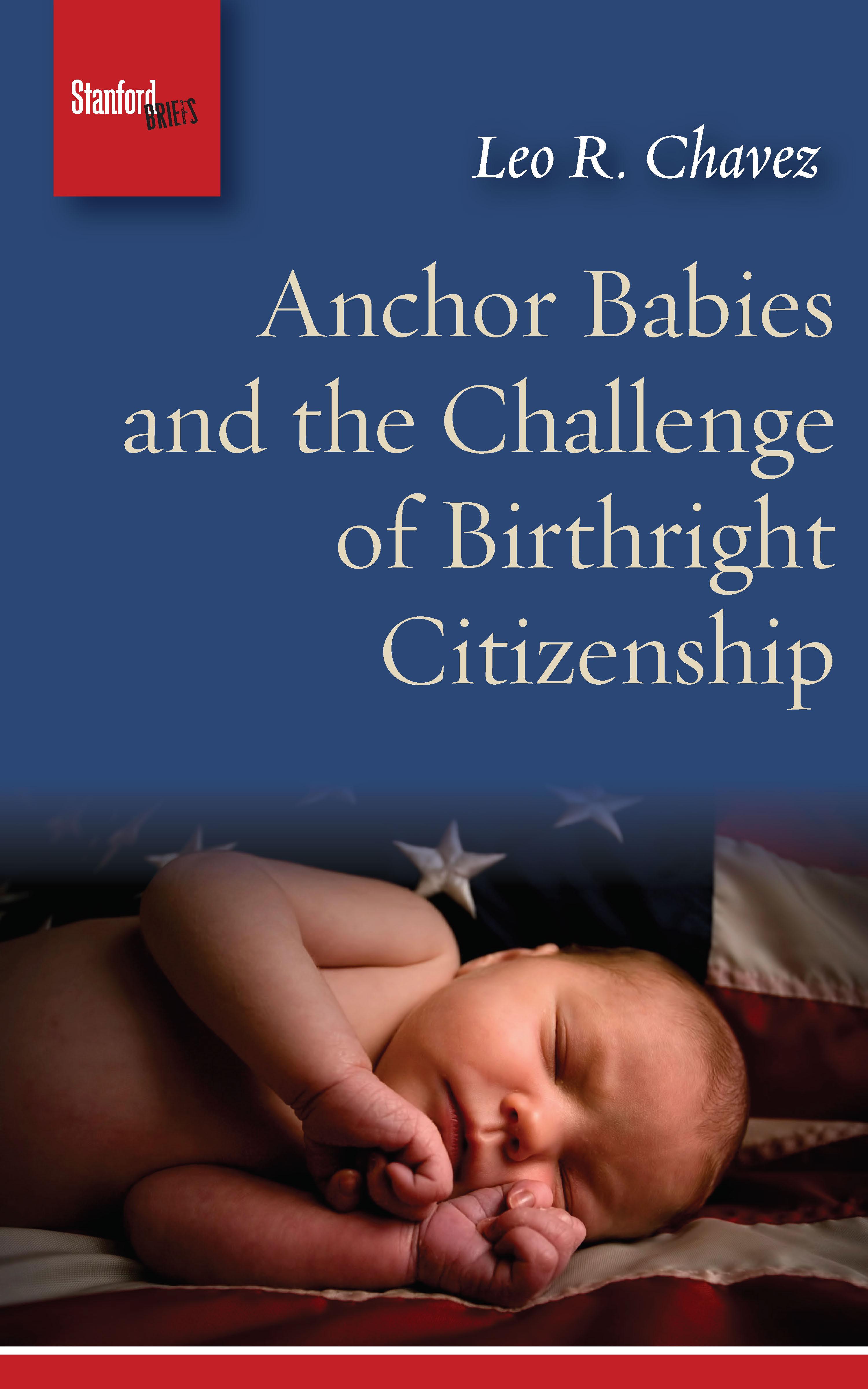
Birthright citizenship has a deep and contentious history in the United States, one often hard to square in a country that prides itself on being "a nation of immigrants." Even as the question of citizenship for children of immigrants was seemingly settled by the Fourteenth Amendment, vitriolic debate has continued for well over a century, especially in relation to U.S. race relations. Most recently, a provocative and decidedly more offensive term than birthright citizenship has emerged: "anchor babies."
With this book, Leo R. Chavez explores the question of birthright citizenship, and of citizenship in the United States writ broadly, as he counters the often hyperbolic claims surrounding these so-called anchor babies. Chavez considers how the term is used as a political dog whistle, how changes in the legal definition of citizenship have affected the children of immigrants over time, and, ultimately, how U.S.-born citizens still experience trauma if they live in families with undocumented immigrants. By examining this pejorative term in its political, historical, and social contexts, Chavez calls upon us to exorcise it from public discourse and work toward building a more inclusive nation.
Pay easily by card, Klarna, Apple Pay or Google Pay. Not happy? You always have a 14-day money-back guarantee. Read more in our terms. If you have any questions, email us at hello@memmo.org.
Memmo makes studying easier – wherever you are in the world. We bring your course books and smart study tools together in one place: summaries, quizzes, podcasts and flashcards. Plus Ted, your study buddy who answers anything you wonder. Over 50,000 students already study here – built to help you learn faster and stress less.