
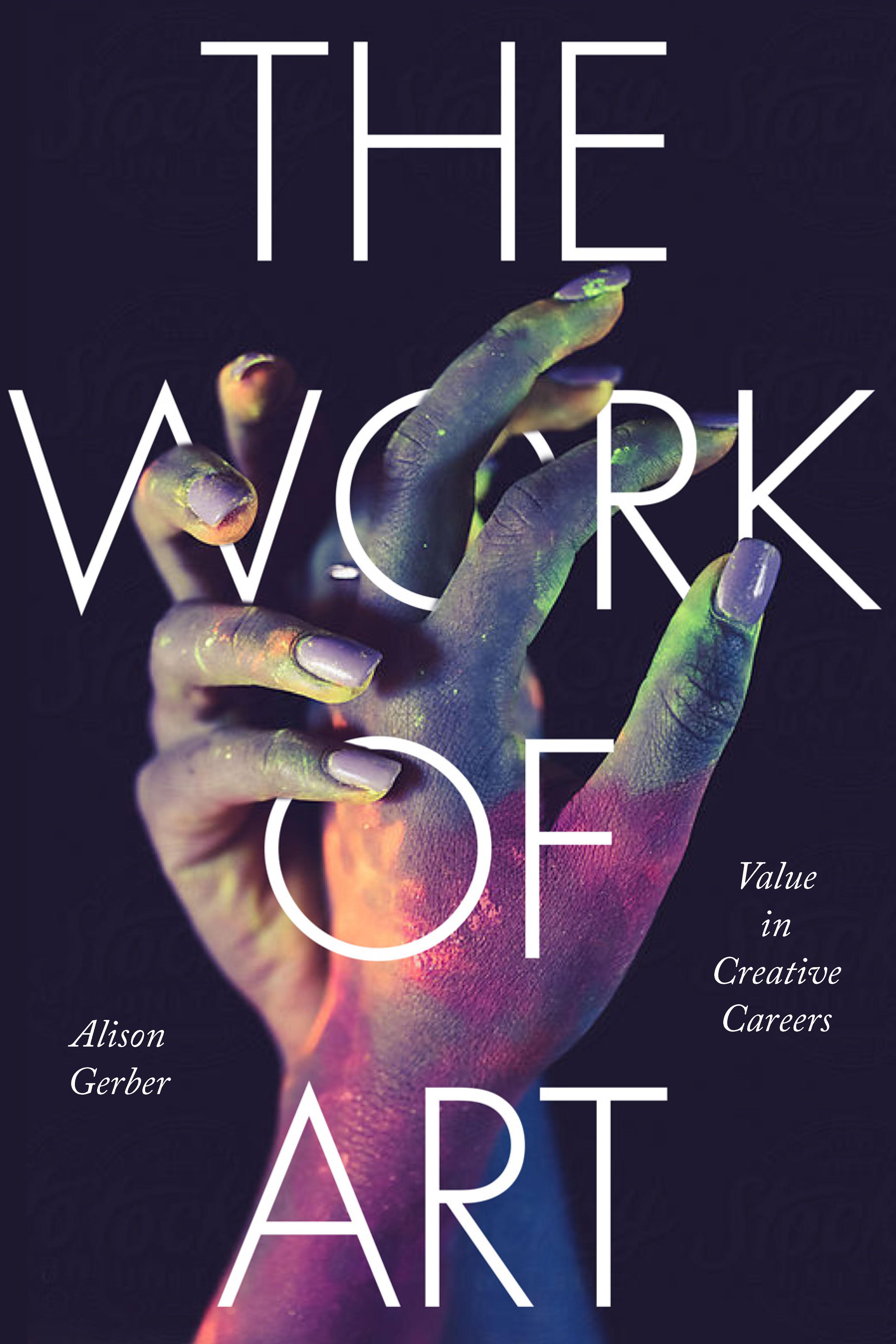
Artists are everywhere, from celebrities showing at MoMA to locals hoping for a spot on a café wall. They are photographed at gallery openings in New York and Los Angeles, hustle in fast-gentrifying cities, and, sometimes, make quiet lives in Midwestern monasteries. Some command armies of fabricators while others patiently teach schoolchildren how to finger-knit. All of these artists might well be shown in the same exhibition, the quality of work far more important than education or income in determining whether one counts as a "real" artist.
In The Work of Art, Alison Gerber explores these art worlds to investigate who artists are (and who they're not), why they do the things they do, and whether a sense of vocational calling and the need to make a living are as incompatible as we've been led to believe. Listening to the stories of artists from across the United States, Gerber finds patterns of agreements and disagreements shared by art-makers from all walks of life. For professionals and hobbyists alike, the alliance of love and money has become central to contemporary art-making, and danger awaits those who fail to strike a balance between the two.
The stories artists tell are just as much a part of artistic practice as putting brush to canvas or chisel to marble. By explaining the shared ways that artists account for their activities—the analogies they draw, the arguments they make—Gerber reveals the common bases of value artists point to when they say: what I do is worth doing. The Work of Art asks how we make sense of the things we do and shows why all this talk about value matters so much.
Pay easily by card, Klarna, Apple Pay or Google Pay. Not happy? You always have a 14-day money-back guarantee. Read more in our terms. If you have any questions, email us at hello@memmo.org.
Memmo makes studying easier – wherever you are in the world. We bring your course books and smart study tools together in one place: summaries, quizzes, podcasts and flashcards. Plus Ted, your study buddy who answers anything you wonder. Over 50,000 students already study here – built to help you learn faster and stress less.