
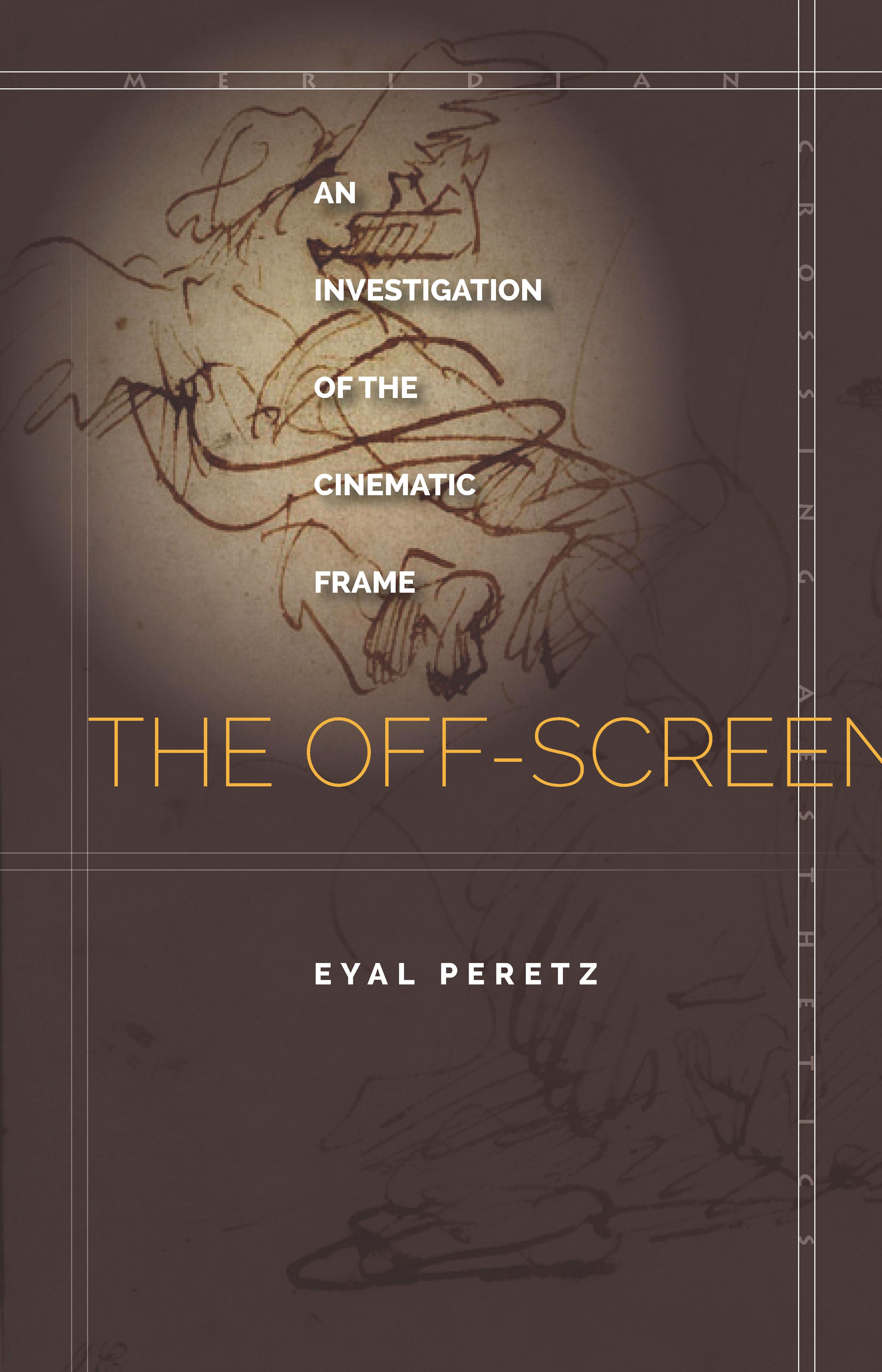
From the Renaissance on, a new concept of the frame becomes crucial to a range of artistic media, which in turn are organized around and fascinated by this frame. The frame decontextualizes, cutting everything that is within it from the continuity of the world and creating a realm we understand as the realm of fiction. The modern theatrical stage, framed paintings, the novel, the cinematic screen—all present us with such framed-off zones. Naturally, the frame creates a separation between inside and out. But, as this book argues, what is outside the frame, what is offstage, or off screen, remains particularly mysterious. It constitutes the primary enigma of the work of art in the modern age. It is to the historical and conceptual significance of this "off" that this book is dedicated. By focusing on what is outside the frame of a work of art, it offers a comprehensive theory of film, a concise history of American cinema from D.W. Griffith to Quentin Tarantino, and a reflection on the place and significance of film within the arts of modernity in general.
Pay easily by card, Klarna, Apple Pay or Google Pay. Not happy? You always have a 14-day money-back guarantee. Read more in our terms. If you have any questions, email us at hello@memmo.org.
Memmo makes studying easier – wherever you are in the world. We bring your course books and smart study tools together in one place: summaries, quizzes, podcasts and flashcards. Plus Ted, your study buddy who answers anything you wonder. Over 50,000 students already study here – built to help you learn faster and stress less.