
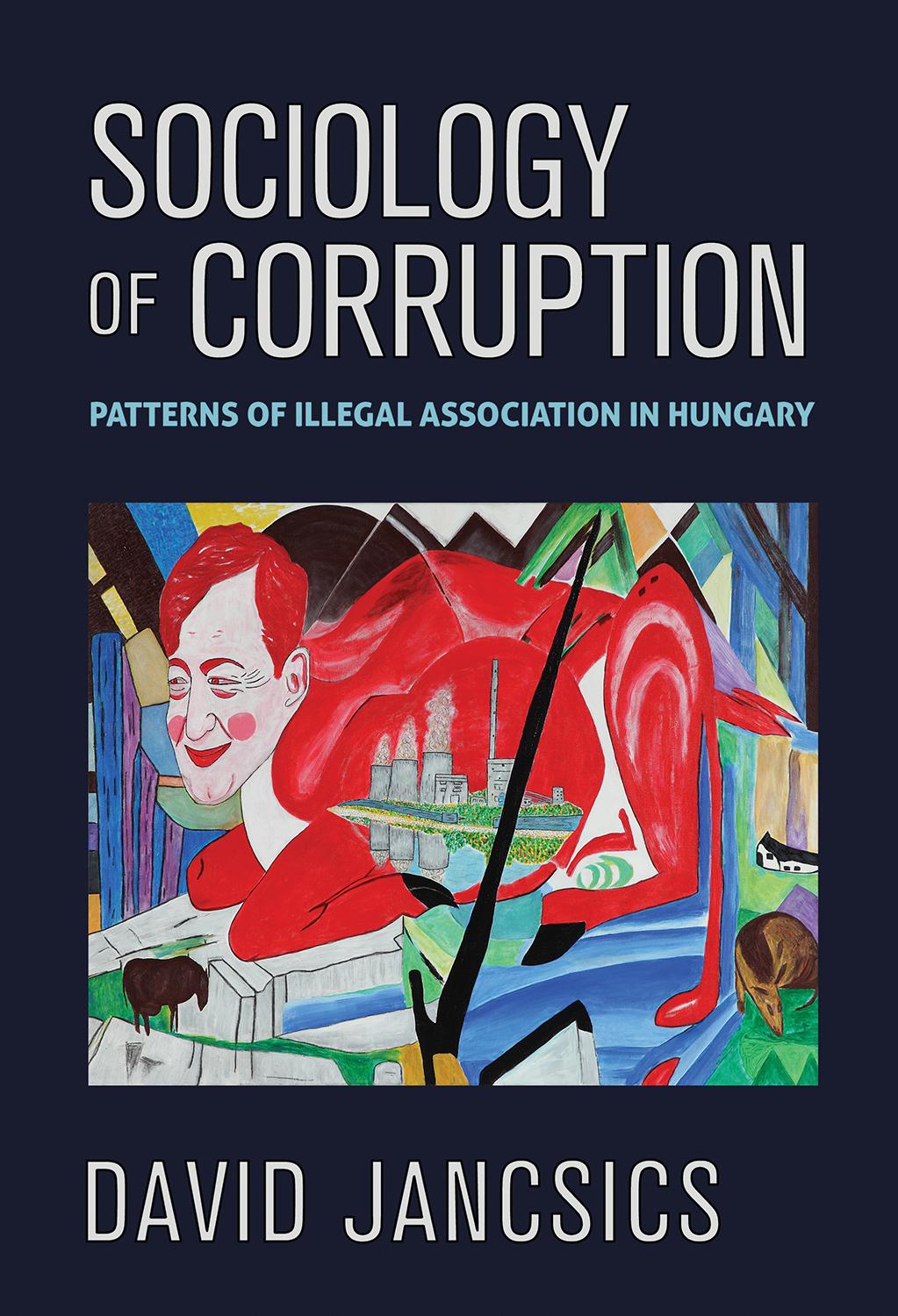
In Sociology of Corruption, David Jancsics provides a fresh approach to the study of corruption in Hungary, which once seemed to be the most likely of the ex-communist bloc nations to catch up to the West and is, according to many experts and scholars, a country with a highly corrupt dynamic.
Based on data from 2022, Hungary is now the most corrupt member state of the European Union. There is also a consensus among experts that a small clique of corrupt political actors has captured most Hungarian state institutions and a significant portion of the business sector.
What fostered corruption in Hungary? What are the most typical forms of corruption in this country? What do Hungarians think about it? What is the role of prime minister Viktor Orbán in this? Sociology of Corruption proposes a novel sociological theory of corruption focusing on social status and relationships, network structures, and power dynamics as important explanatory factors of corrupt behavior. Although his focus is on Hungary, Jancsics's findings are applicable to other nations and cultural contexts.
Pay easily by card, Klarna, Apple Pay or Google Pay. Not happy? You always have a 14-day money-back guarantee. Read more in our terms. If you have any questions, email us at hello@memmo.org.
Memmo makes studying easier – wherever you are in the world. We bring your course books and smart study tools together in one place: summaries, quizzes, podcasts and flashcards. Plus Ted, your study buddy who answers anything you wonder. Over 50,000 students already study here – built to help you learn faster and stress less.