
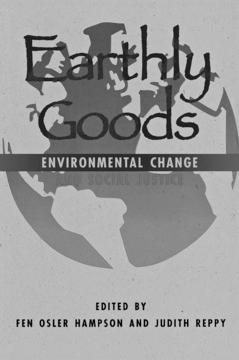
Global environmental change raises profound moral issues with which society has only begun to grapple. What does fairness mean in dividing responsibilities for problems of global warming between rich and poor nations? Does the environment itself have moral standing and, if so, how should its conflicts with the interests of people who depend on the land for their livelihood be resolved? How can the interests of the poor, of indigenous peoples, and of future generations be properly accommodated in a political discourse about environmental policy which is dominated by industrialized states? This book extends the debate both within and across disciplines, engaging philosophers, geographers, political scientists, economists, sociologists, and environmental activists from four continents.
The essays address the role of science in global change and argue that western science does not provide morally disinterested solutions to environmental problems. They discuss the role of state and substate actors in the international politics of the environment, and then use accounts of actual negotiations to argue for the centrality of social justice in reaching desirable and equitable agreements. They conclude that a framework for social justice under conditions of global environmental change must include community values and provide for participatory structures to arbitrate among competing interests.
Pay easily by card, Klarna, Apple Pay or Google Pay. Not happy? You always have a 14-day money-back guarantee. Read more in our terms. If you have any questions, email us at hello@memmo.org.
Memmo makes studying easier – wherever you are in the world. We bring your course books and smart study tools together in one place: summaries, quizzes, podcasts and flashcards. Plus Ted, your study buddy who answers anything you wonder. Over 50,000 students already study here – built to help you learn faster and stress less.