
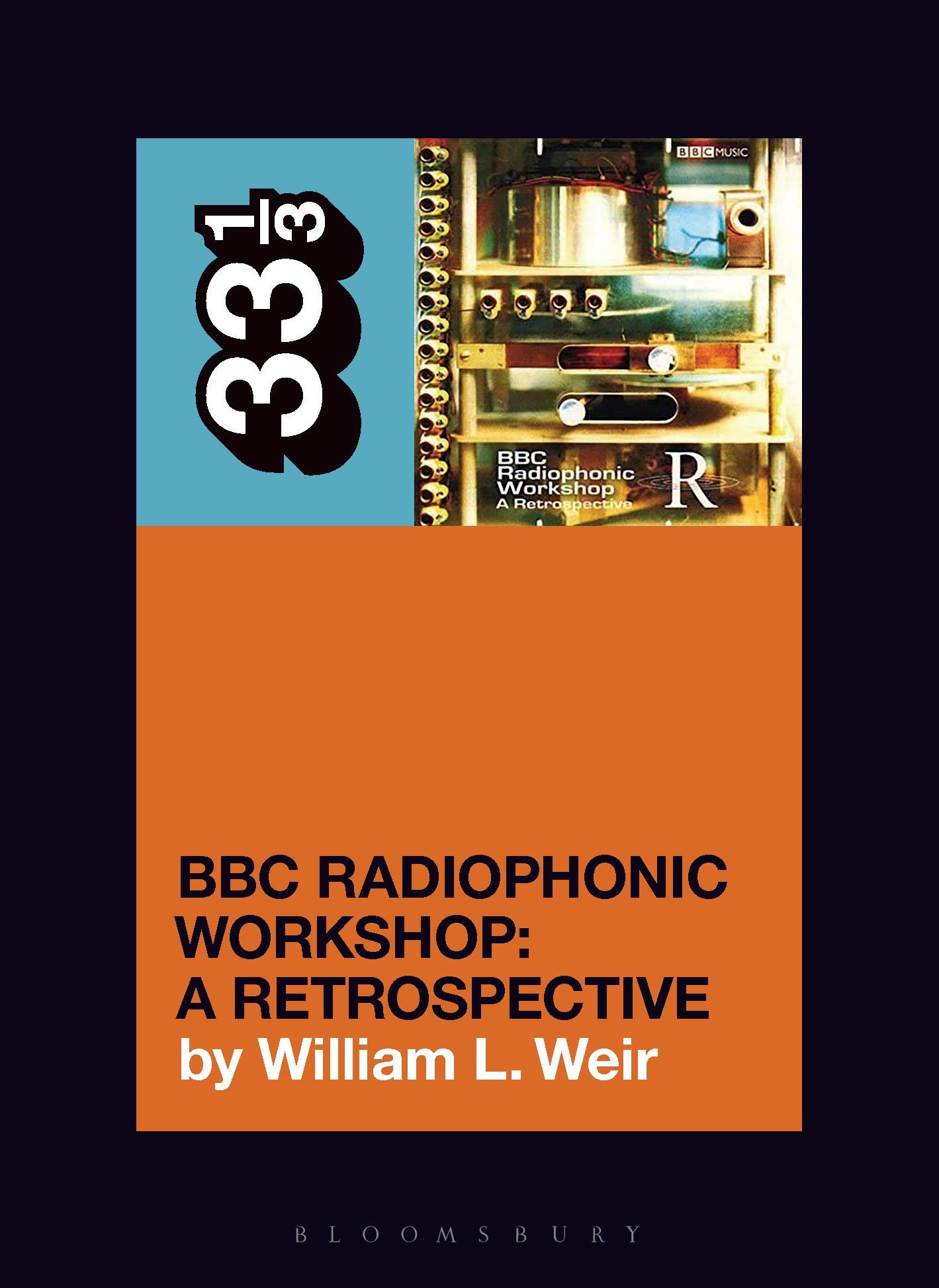
In 1958, an anonymous group of overworked and under-budgeted BBC employees set out to make some new sounds for radio and TV. They ended up changing the course of 20th-century music. For millions of people, the work of the BBC Radiophonic Workshop was the first electronic music they had ever heard. Sampling, loops, and the earliest synthesizers-long before audiences knew what they were-made up the groundbreaking scores for news programs, auto maintenance shows, and children's programming. They also produced the Doctor Who theme, one of the first electronic music masterpieces.
The Beatles, Pink Floyd, and others borrowed from them. A generation of musicians raised on BBC programming-Aphex Twin, Portishead, and Prodigy among them-took these once-alien sounds and carried on the Workshop's legacy. Ignored for decades by music historians, the Workshop is now recognized as one of the most influential forebears of electronica, psychedelia, ambient music, and synth-pop.
The Beatles, Pink Floyd, and others borrowed from them. A generation of musicians raised on BBC programming-Aphex Twin, Portishead, and Prodigy among them-took these once-alien sounds and carried on the Workshop's legacy. Ignored for decades by music historians, the Workshop is now recognized as one of the most influential forebears of electronica, psychedelia, ambient music, and synth-pop.
Pay easily by card, Klarna, Apple Pay or Google Pay. Not happy? You always have a 14-day money-back guarantee. Read more in our terms. If you have any questions, email us at hello@memmo.org.
Memmo makes studying easier – wherever you are in the world. We bring your course books and smart study tools together in one place: summaries, quizzes, podcasts and flashcards. Plus Ted, your study buddy who answers anything you wonder. Over 50,000 students already study here – built to help you learn faster and stress less.