
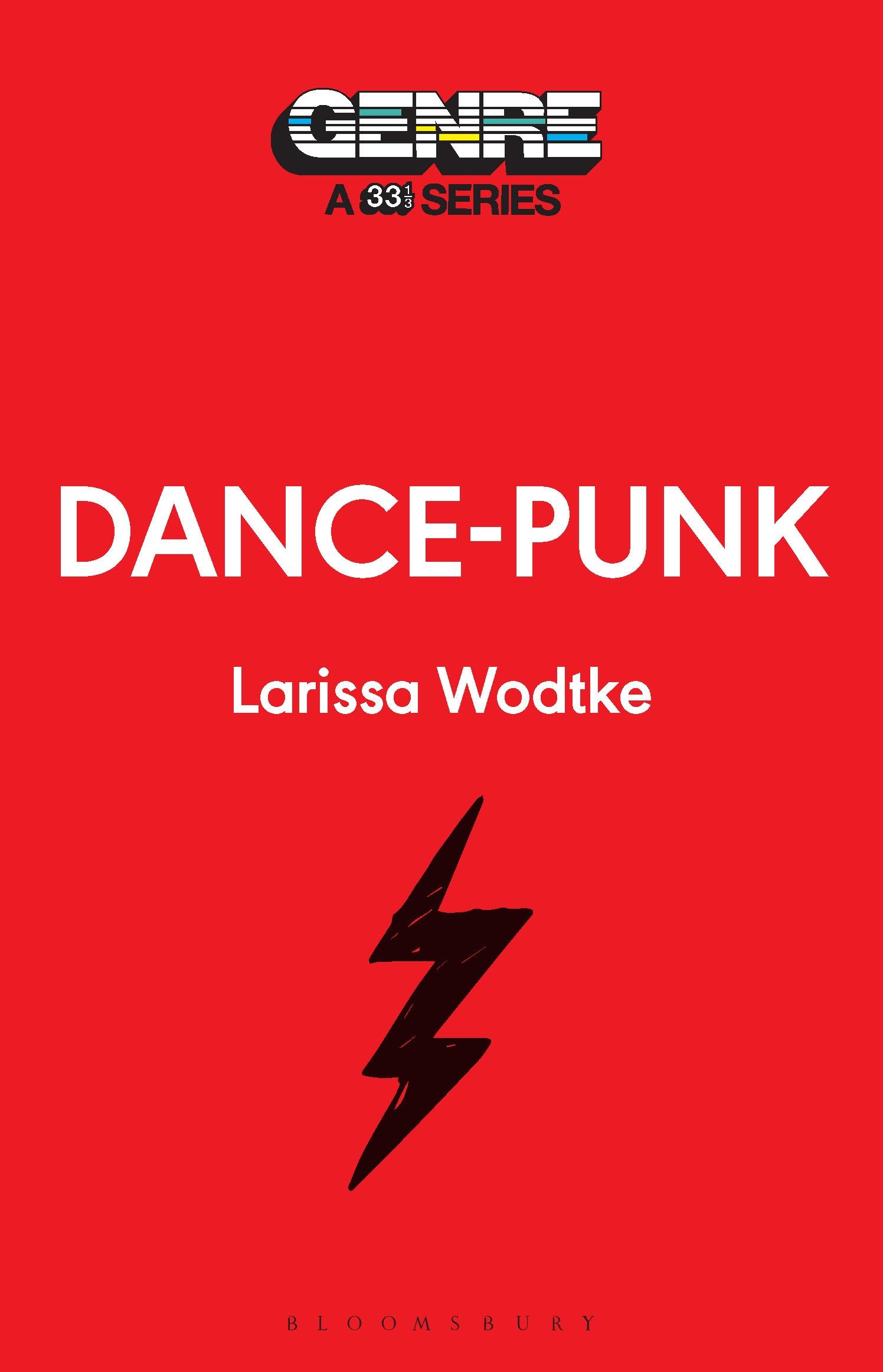
Beginning in the late 1970s as an offshoot of disco and punk, dance-punk is difficult to define. Also sometimes referred to as disco-punk and funk-punk, it skirts, overlaps, and blurs into other genres including post-punk, post-disco, new wave, mutant disco, and synthpop.
This book explores the historical and cultural conditions of the genre as it appeared in the late 1970s and early 1980s and then again in the early 2000s, and illuminates what is at stake in delineating dance-punk as a genre. Looking at bands such as Gang of Four, ESG, Public Image Ltd., LCD Soundsystem, The Rapture, and Le Tigre, this book examines the tensions between and blurring of the rhetoric and emotion in dance music and the cynical and ironic intellectualizing associated with post-punk.
This book explores the historical and cultural conditions of the genre as it appeared in the late 1970s and early 1980s and then again in the early 2000s, and illuminates what is at stake in delineating dance-punk as a genre. Looking at bands such as Gang of Four, ESG, Public Image Ltd., LCD Soundsystem, The Rapture, and Le Tigre, this book examines the tensions between and blurring of the rhetoric and emotion in dance music and the cynical and ironic intellectualizing associated with post-punk.
Pay easily by card, Klarna, Apple Pay or Google Pay. Not happy? You always have a 14-day money-back guarantee. Read more in our terms. If you have any questions, email us at hello@memmo.org.
Memmo makes studying easier – wherever you are in the world. We bring your course books and smart study tools together in one place: summaries, quizzes, podcasts and flashcards. Plus Ted, your study buddy who answers anything you wonder. Over 50,000 students already study here – built to help you learn faster and stress less.