
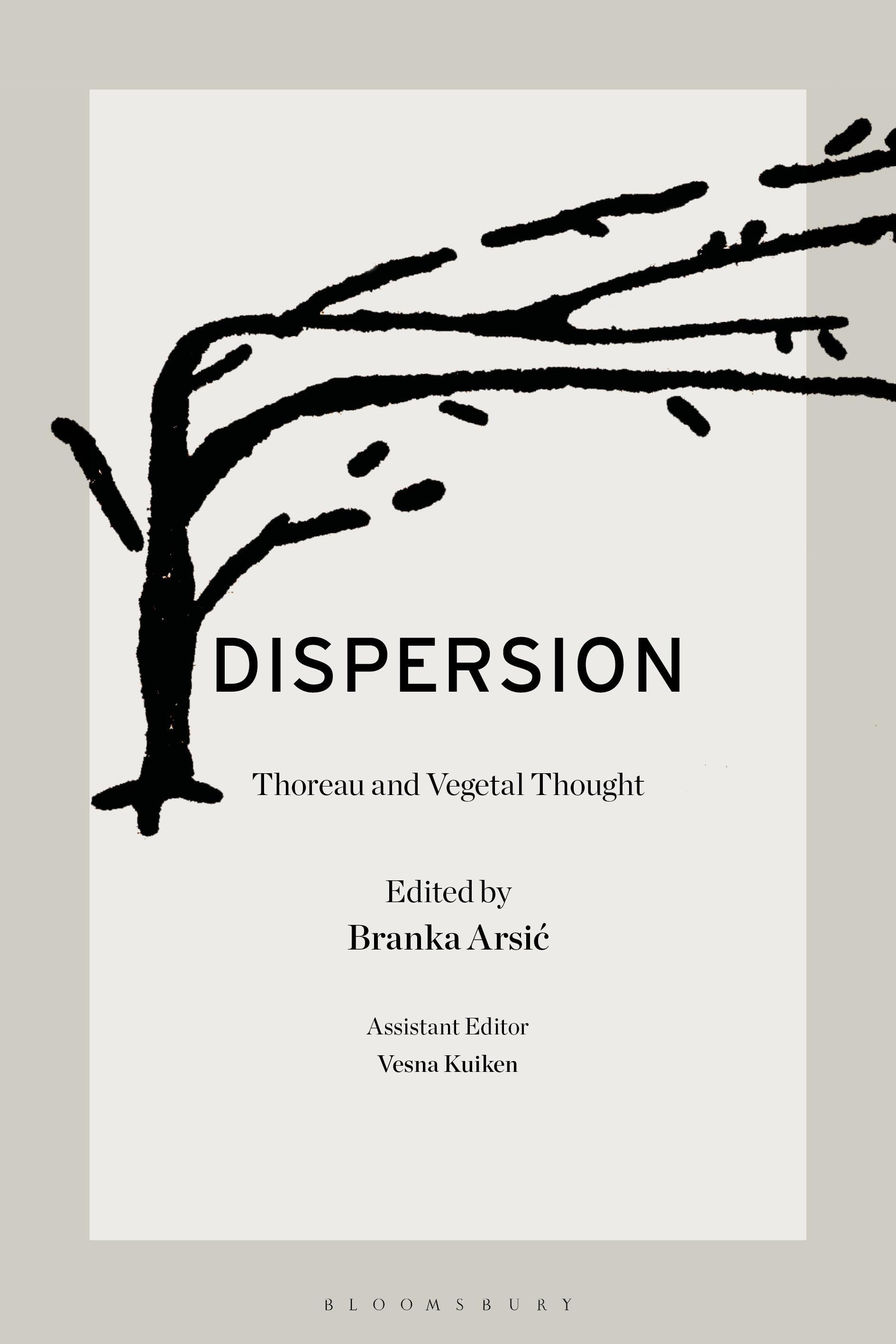
Plants are silent, still, or move slowly; we do not have the sense that they accompany us, or even perceive us. But is there something that plants are telling us? Is there something about how they live and connect, how they relate to the world and other plants that can teach us about ecological thinking, about ethics and politics?
Grounded in Thoreau's ecology and in contemporary plant studies, Dispersion: Thoreau and Vegetal Thought offers answers to those questions by pondering such concepts as co-dependence, the continuity of life forms, relationality, cohabitation, porousness, fragility, the openness of beings to incessant modification by other beings and phenomena, patience, waiting, slowness and receptivity.
Grounded in Thoreau's ecology and in contemporary plant studies, Dispersion: Thoreau and Vegetal Thought offers answers to those questions by pondering such concepts as co-dependence, the continuity of life forms, relationality, cohabitation, porousness, fragility, the openness of beings to incessant modification by other beings and phenomena, patience, waiting, slowness and receptivity.
Pay easily by card, Klarna, Apple Pay or Google Pay. Not happy? You always have a 14-day money-back guarantee. Read more in our terms. If you have any questions, email us at hello@memmo.org.
Memmo makes studying easier – wherever you are in the world. We bring your course books and smart study tools together in one place: summaries, quizzes, podcasts and flashcards. Plus Ted, your study buddy who answers anything you wonder. Over 50,000 students already study here – built to help you learn faster and stress less.