
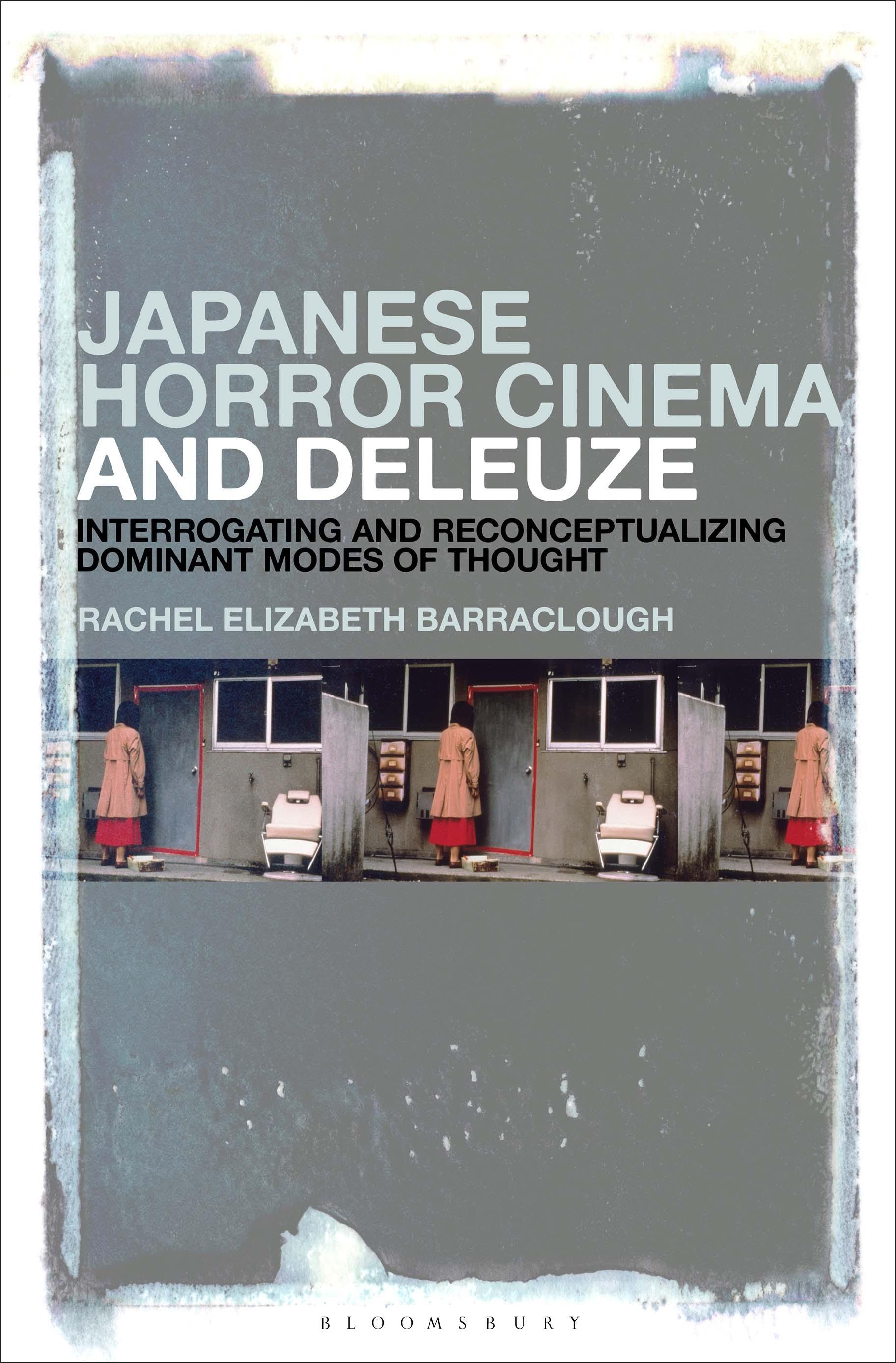
Using theories of national, transnational and world cinema, and genre theories and psychoanalysis as the basis of its argument, Japanese Horror Cinema and Deleuze argues that these understandings of Japanese horror films can be extended in new ways through the philosophy of Deleuze.
In particular, the complexities and nuances of how films like Ju-On: The Grudge (2002), Audition (1999) and Kairo (2001) (and beyond) form dynamic, transformative global networks between industries, directors and audiences can be considered. Furthermore, understandings of how key horror tropes and motifs apply to these films (and others more broadly), such as the idea of the “monstrous-feminine”, can be transformed, allowing these models to become more flexible.
In particular, the complexities and nuances of how films like Ju-On: The Grudge (2002), Audition (1999) and Kairo (2001) (and beyond) form dynamic, transformative global networks between industries, directors and audiences can be considered. Furthermore, understandings of how key horror tropes and motifs apply to these films (and others more broadly), such as the idea of the “monstrous-feminine”, can be transformed, allowing these models to become more flexible.
Pay easily by card, Klarna, Apple Pay or Google Pay. Not happy? You always have a 14-day money-back guarantee. Read more in our terms. If you have any questions, email us at hello@memmo.org.
Memmo makes studying easier – wherever you are in the world. We bring your course books and smart study tools together in one place: summaries, quizzes, podcasts and flashcards. Plus Ted, your study buddy who answers anything you wonder. Over 50,000 students already study here – built to help you learn faster and stress less.