
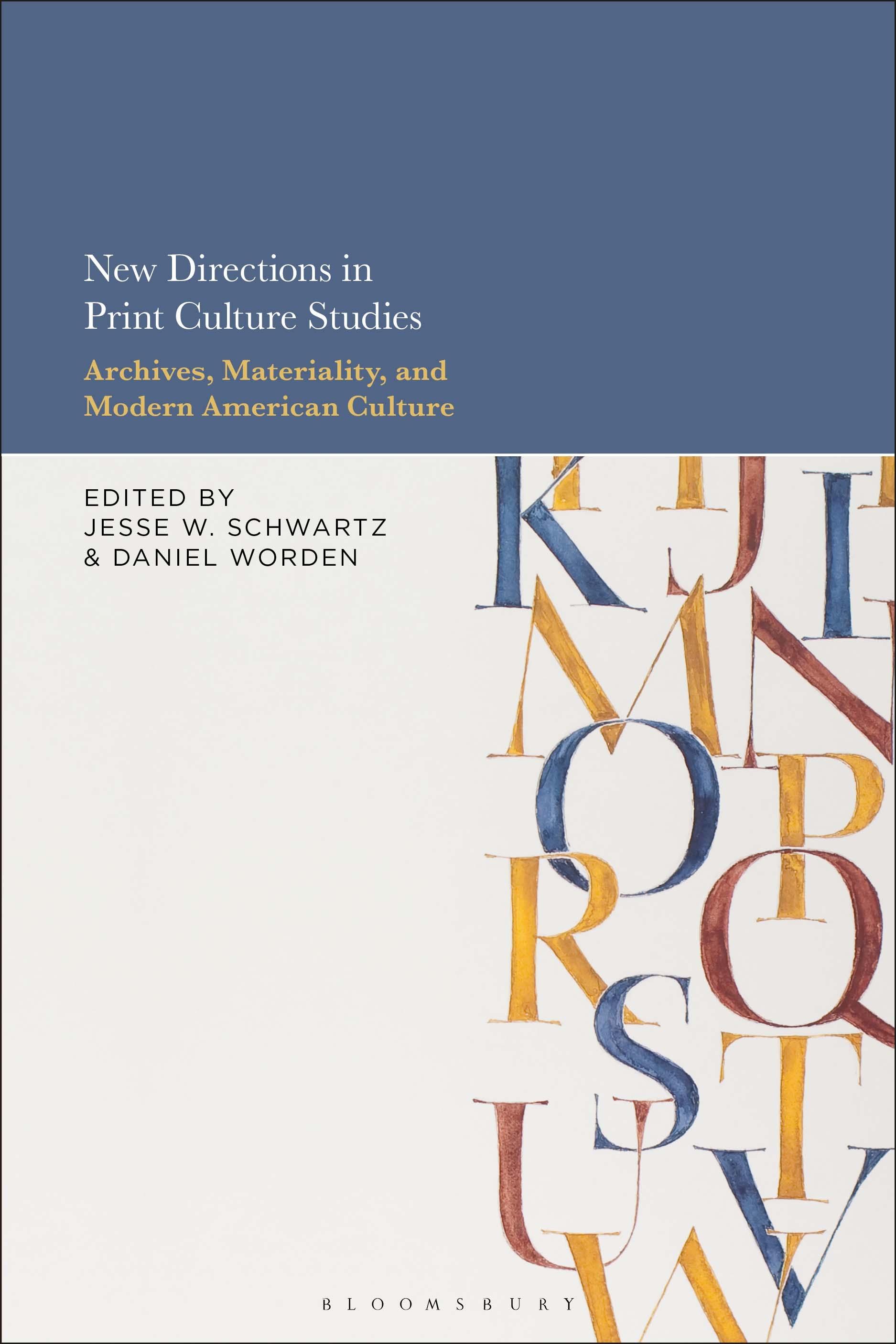
New Directions in Print Culture Studies features new methods and approaches to cultural and literary history that draw on periodicals, print culture, and material culture, thus revising and rewriting what we think we know about the aesthetic, cultural, and social history of transnational America.
The unifying questions posed and answered in this book are methodological: How can we make material, archival objects meaningful? How can we engage and contest dominant conceptions of aesthetic, historical, and literary periods? How can we present archival material in ways that make it accessible to other scholars and students? What theoretical commitments does a focus on material objects entail?
New Directions in Print Culture Studies brings together leading scholars to address the methodological, historical, and theoretical commitments that emerge from studying how periodicals, books, images, and ideas circulated from the 19th century to the present. Reaching beyond national boundaries, the essays in this book focus on the different materials and archives we can use to rewrite literary history in ways that highlight not a canon of “major” literary works, but instead the networks, dialogues, and tensions that define print cultures in various moments and movements.
The unifying questions posed and answered in this book are methodological: How can we make material, archival objects meaningful? How can we engage and contest dominant conceptions of aesthetic, historical, and literary periods? How can we present archival material in ways that make it accessible to other scholars and students? What theoretical commitments does a focus on material objects entail?
New Directions in Print Culture Studies brings together leading scholars to address the methodological, historical, and theoretical commitments that emerge from studying how periodicals, books, images, and ideas circulated from the 19th century to the present. Reaching beyond national boundaries, the essays in this book focus on the different materials and archives we can use to rewrite literary history in ways that highlight not a canon of “major” literary works, but instead the networks, dialogues, and tensions that define print cultures in various moments and movements.
Pay easily by card, Klarna, Apple Pay or Google Pay. Not happy? You always have a 14-day money-back guarantee. Read more in our terms. If you have any questions, email us at hello@memmo.org.
Memmo makes studying easier – wherever you are in the world. We bring your course books and smart study tools together in one place: summaries, quizzes, podcasts and flashcards. Plus Ted, your study buddy who answers anything you wonder. Over 50,000 students already study here – built to help you learn faster and stress less.