
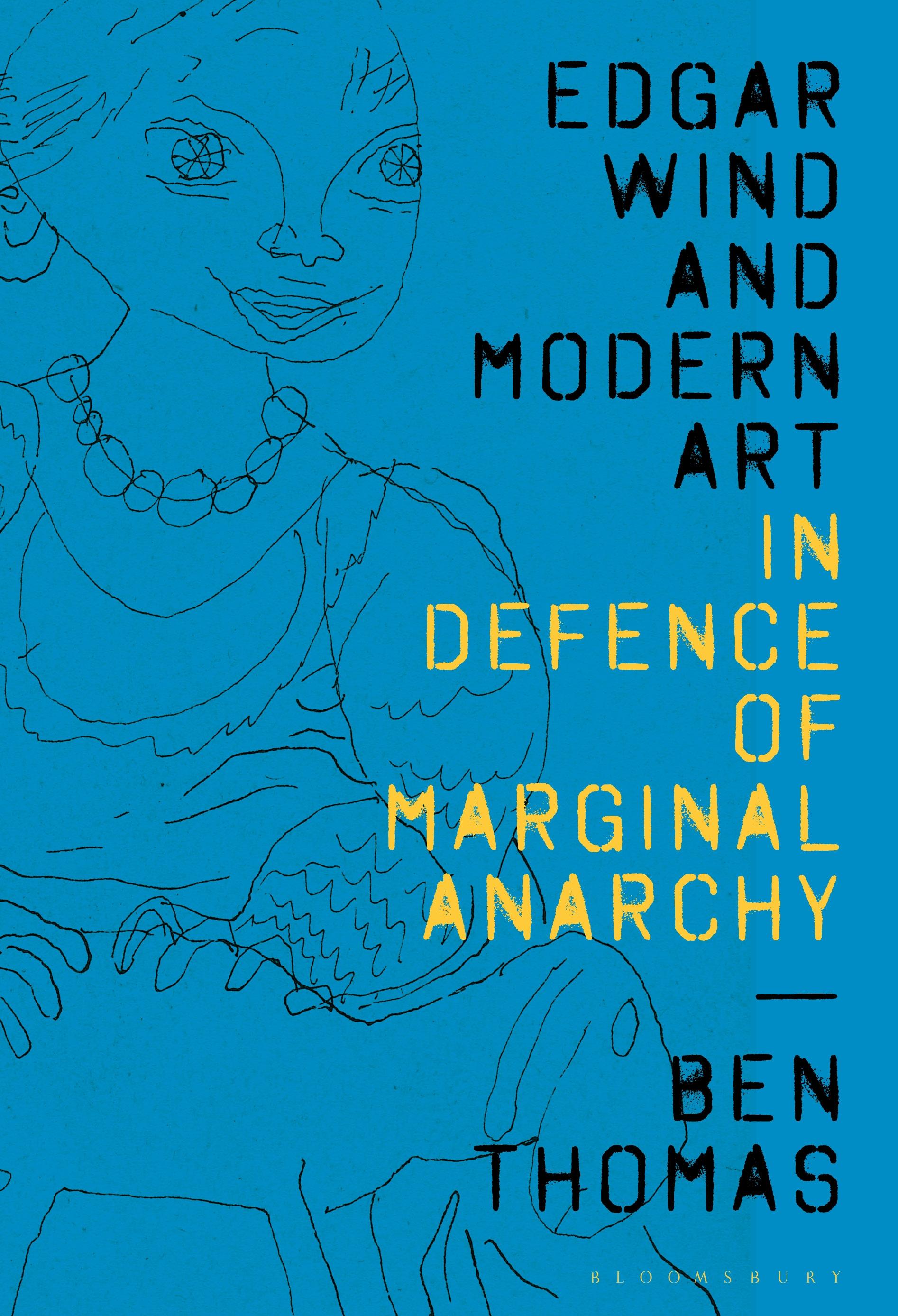
This book presents the first comprehensive study of the philosopher and art historian Edgar Wind's critique of modern art. The first student of Erwin Panofsky, and a close associate of Aby Warburg, Edgar Wind was unusual among the 'Warburgians' for his sustained interest in modern art, together with his support for contemporary artists. This culminated in his respected and influential book Art and Anarchy (1963), which seemed like a departure from his usual scholarly work on the iconography of Renaissance art.
Based on extensive archival research and bringing to light previously unpublished lectures, Edgar Wind and Modern Art reveals the extent and seriousness of Wind's thinking about modern art, and how it was bound up with theories about art and knowledge that he had developed during the 1920s and 30s. Wind's ideas are placed in the context of a closely connected international cultural milieu consisting of some of the leading artists and thinkers of the twentieth century. In particular, the book discusses in detail his friendships with three significant artists: Pavel Tchelitchew, Ben Shahn and R. B. Kitaj. In the process, the existence of an alternative to the prevailing formalist approach of Alfred Barr and Clement Greenberg to modern art, based on the enduring importance of the symbol, is revealed.
Based on extensive archival research and bringing to light previously unpublished lectures, Edgar Wind and Modern Art reveals the extent and seriousness of Wind's thinking about modern art, and how it was bound up with theories about art and knowledge that he had developed during the 1920s and 30s. Wind's ideas are placed in the context of a closely connected international cultural milieu consisting of some of the leading artists and thinkers of the twentieth century. In particular, the book discusses in detail his friendships with three significant artists: Pavel Tchelitchew, Ben Shahn and R. B. Kitaj. In the process, the existence of an alternative to the prevailing formalist approach of Alfred Barr and Clement Greenberg to modern art, based on the enduring importance of the symbol, is revealed.
Pay easily by card, Klarna, Apple Pay or Google Pay. Not happy? You always have a 14-day money-back guarantee. Read more in our terms. If you have any questions, email us at hello@memmo.org.
Memmo makes studying easier – wherever you are in the world. We bring your course books and smart study tools together in one place: summaries, quizzes, podcasts and flashcards. Plus Ted, your study buddy who answers anything you wonder. Over 50,000 students already study here – built to help you learn faster and stress less.