
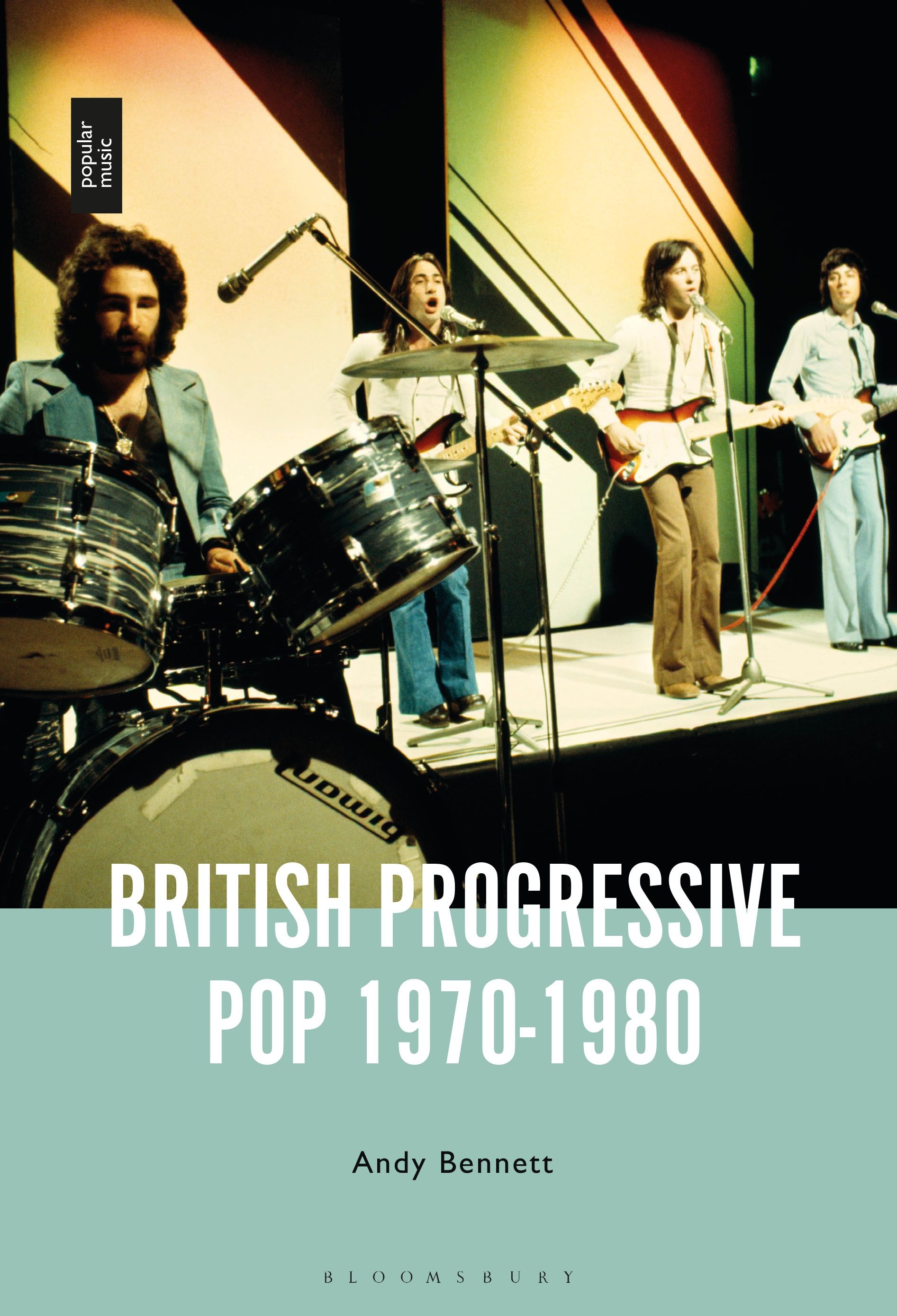
Positioned between the psychedelic and counter-cultural music of the late 1960s and the punk and new wave styles of the late 1970s, early 1970s British popular music is often overlooked in pop music studies of the late 20th century, but it was, in fact, highly diverse with many artists displaying an eclecticism and flair for musical experimentation. 'Progressive pop' artists such as Roxy Music, David Bowie, the early Queen, the Electric Light Orchestra, 10cc and Steve Harley & Cockney Rebel successfully straddled the album and singles markets, producing music that often drew on a variety of different musical styles and traditions. Similarly, such artists often set new benchmarks for songwriting and production, utilizing the full potential of the rapidly expanding studio technology of the era to produce albums of highly diverse material featuring, in some cases, special studio-crafted effects and soundscapes that remain unique to this day.
This book considers the significance of British progressive pop in the early 1970s as a period during which the boundaries between pop and rock were periodically relaxed, providing a platform for musical creativity less confined by genre and branding.
This book considers the significance of British progressive pop in the early 1970s as a period during which the boundaries between pop and rock were periodically relaxed, providing a platform for musical creativity less confined by genre and branding.
Pay easily by card, Klarna, Apple Pay or Google Pay. Not happy? You always have a 14-day money-back guarantee. Read more in our terms. If you have any questions, email us at hello@memmo.org.
Memmo makes studying easier – wherever you are in the world. We bring your course books and smart study tools together in one place: summaries, quizzes, podcasts and flashcards. Plus Ted, your study buddy who answers anything you wonder. Over 50,000 students already study here – built to help you learn faster and stress less.