
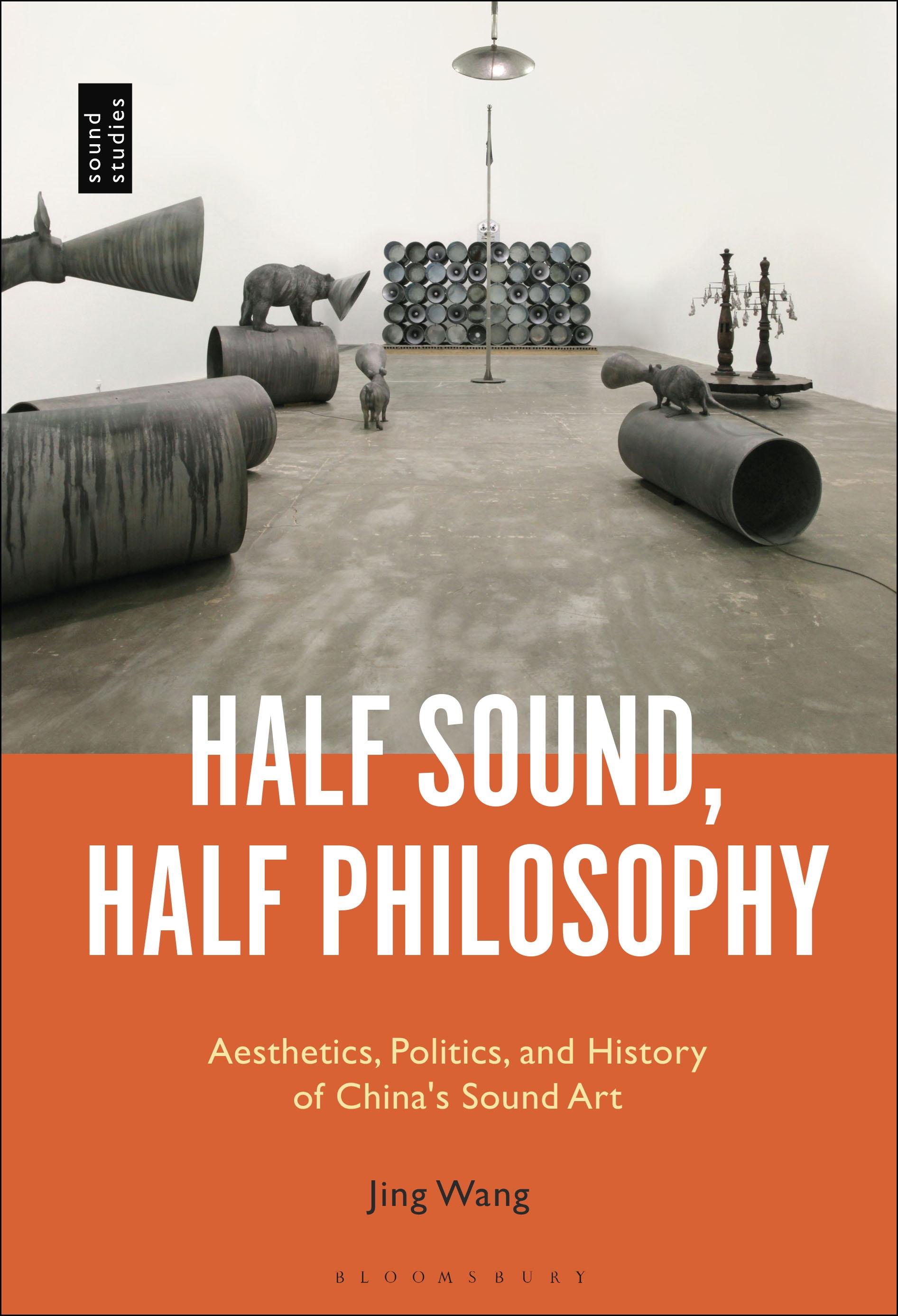
From the late 1990s until today, China's sound practice has been developing in an increasingly globalized socio-political-aesthetic milieu, receiving attentions and investments from the art world, music industry and cultural institutes, with nevertheless, its unique acoustic philosophy remaining silent. This book traces the history of sound practice from contemporary Chinese visual art back in the 1980s, to electronic music, which was introduced as a target of critique in the 1950s, to electronic instrument building fever in the late 1970s and early 1980s, and to the origins of both academic and nonacademic electronic and experimental music activities. This expansive tracing of sound in the arts resonates with another goal of this book, to understand sound and its artistic practice through notions informed by Chinese qi-cosmology and qi-philosophy, including notions of resonance, shanshui (mountains-waters), huanghu (elusiveness and evasiveness), and distributed monumentality and anti-monumentality. By turning back to deep history to learn about the meaning and function of sound and listening in ancient China, the book offers a refreshing understanding of the British sinologist Joseph Needham's statement that “Chinese acoustics is acoustics of qi.” and expands existing conceptualization of sound art and contemporary music at large.
Pay easily by card, Klarna, Apple Pay or Google Pay. Not happy? You always have a 14-day money-back guarantee. Read more in our terms. If you have any questions, email us at hello@memmo.org.
Memmo makes studying easier – wherever you are in the world. We bring your course books and smart study tools together in one place: summaries, quizzes, podcasts and flashcards. Plus Ted, your study buddy who answers anything you wonder. Over 50,000 students already study here – built to help you learn faster and stress less.